How systemic underfunding and policy failures fueled the 2026 student uprising
The year 2026 marked a tipping point in global education, as a wave of youth-led protests erupted across continents—not as a coordinated rebellion, but as simultaneous outbursts of frustration from students asking the same urgent questions. What happens when the institutions meant to empower them instead leave them stranded? Behind the headlines of blockaded campuses, burned buildings and police crackdowns lay deeper forces: decades of underfunding, rising costs, and a growing perception that higher education no longer delivers on its promises.
From European high schools to African universities: the common thread of broken promises
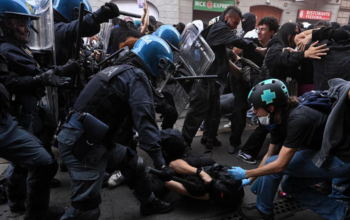
In France, September 2026 saw lycées across the country grind to a halt. Teachers were absent, rooms were overflowing, and guidance counselors were overwhelmed. Students marched not only against crumbling infrastructure but against a system that seemed to prioritize exams over opportunity. By October 1st, over a thousand schools were affected, with government responses oscillating between emergency funding and heavy-handed crowd control.
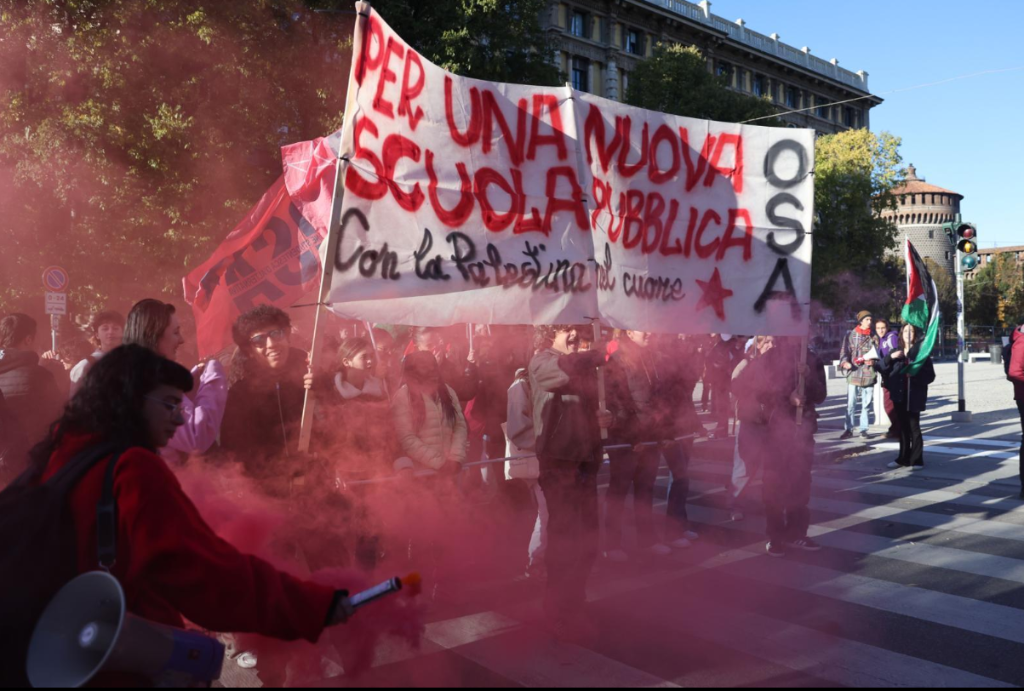
Across the Mediterranean, Italian students took to the streets on October 16th against a policy perceived as targeting diversity in classrooms. Violent clashes erupted in Rome and Turin, exposing a government struggling to balance fiscal restraint with social equity. In Albania, demonstrations turned destructive: bank branches burned, tear gas filled the sky, and students chanted slogans against corruption that festered alongside unpaid stipends. Greece’s marches revealed another truth—education isn’t just about schools, but survival. Students demanded subsidized housing, free textbooks, and relief from runaway rents, painting a stark picture of how daily expenses drain family budgets and derail academic futures.
When bursaries disappear: the human cost in Senegal, Kenya and South Africa
The crisis hit hardest in Africa’s university corridors. At Senegal’s Cheikh-Anta-Diop University in Dakar, delayed bursary payments left students hungry and desperate. By February 2026, protests turned deadly after the death of Abdoulaye Ba during clashes with security forces. The university was shut down, not for reform, but for damage control—this after the bursary was often the only lifeline for students’ food, shelter, and tuition.
In Kenya, lecturers’ strikes paralyzed public universities throughout October. Nairobi students demonstrated not out of solidarity with wage disputes, but for canceled classes and postponed exams. In South Africa, a protest at Rhodes University over payment deadlines spiraled into arrests before charges were dropped. These weren’t ideological wars—they were cries for basic financial dignity in an era where access to higher learning is increasingly tied to financial solvency.
Argentina and Indonesia: where education protests meet economic revolt
South America experienced its own reckoning. On October 15th, Argentina’s federal university march drew academics, administrators, and students demanding compliance with long-delayed funding laws and salary increases. The protest wasn’t just about funding—it was about survival in a country where public universities remain the last refuge for vulnerable youth.
In Indonesia, the June demonstrations began with fuel and food price hikes but quickly evolved into a broader critique of public spending priorities. Students marched against militarization in governance while decrying the collapse of purchasing power. The protests revealed a generation that no longer believes economic policy serves their interests.
Law, order, and legitimacy: why repression alone cannot silence demands
Governments responded in predictable patterns: announcements of new budgets, emergency closures, police cordons, and arrests. Yet when force overshadows dialogue, the message gets lost. Incendiary acts—burned buses, shattered storefronts, thrown rocks—distract from the original grievances. Police crackdowns on minors, in particular, risk entrenching distrust for years to come.
The challenge now facing policymakers is not just restoring calm, but restoring credibility. Promised bursaries must arrive on time. Crumbling classrooms need renovation. Teacher shortages must be addressed. Student housing must become affordable. Anything less risks confirming the protesters’ worst fear: that their generation has been abandoned by the very systems meant to uplift them.
The real crisis isn’t the protest—it’s what it reveals
These 2026 mobilizations weren’t a monolith. They differed by place, cause, and intensity. Some sought better funding. Others demanded racial inclusion. Many fought against austerity’s human cost. Yet beneath the chaos lay a shared truth: access to education is no longer a guarantee of progress—it has become a privilege contested by financial barriers, institutional neglect, and broken social contracts.
For states, the path forward requires more than symbolic gestures. It demands concrete reforms: transparent bursary systems, equitable admissions policies, and investment in both infrastructure and human potential. The lesson of 2026 is clear: when young people lose faith in education, society risks losing faith in itself.