The hidden mechanisms behind a controversial Washington-linked Congo transfer
In May 2025, a routine government transaction from the Democratic Republic of Congo (DRC) to a Texas-based defense contractor spiraled into a political and financial controversy in Washington. The $17.6 million wire transfer, originating from a Congolese Ministry of Finance account, has raised critical questions not only about the use of public funds but about the opaque intersections between business interests, cultural funding, and high-level political access in the U.S. capital.
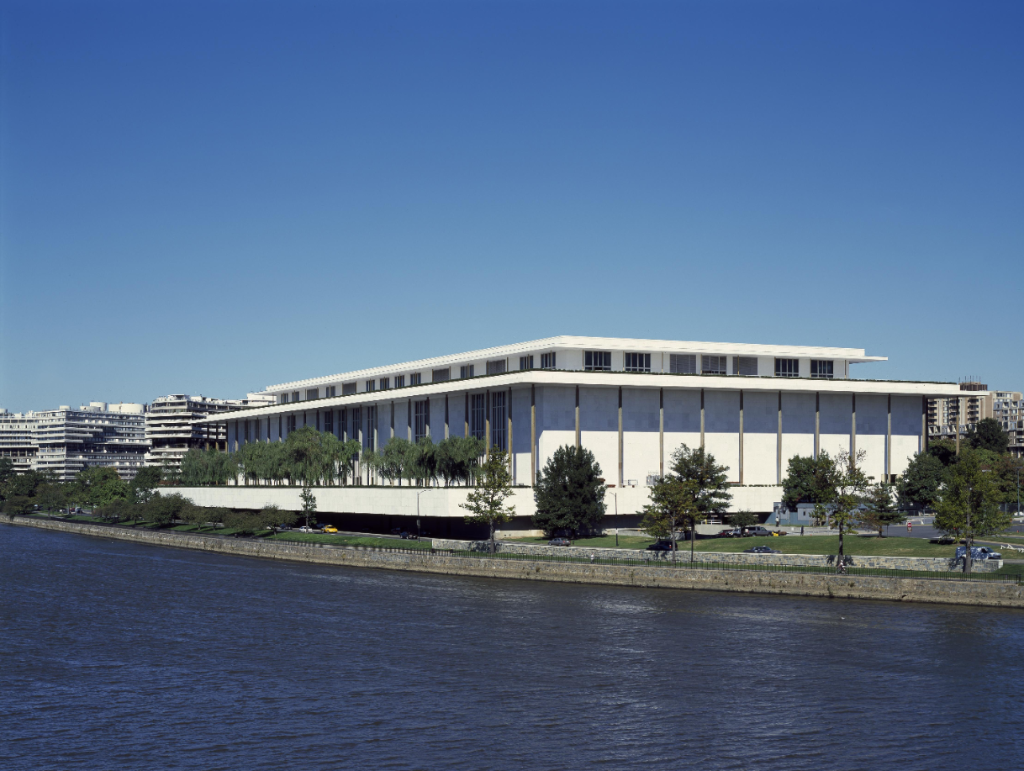
At the heart of the investigation is the alleged redirection of $5.6 million that was supposed to support the Kennedy Center, a leading Washington cultural institution where Richard “Ric” Grenell served as chairman at the time. While Grenell has denied any wrongdoing, the absence of verifiable records confirming the donation has fueled intense scrutiny from legal and political circles in both Kinshasa and Washington.
Who benefits from Congo’s public purse?
At first glance, the transaction appears to be a standard foreign payment tied to a commercial contract. But the involvement of a defense firm—Texas Armament & Technology (TX-AT)—and the presence of high-profile Washington figures linked to Donald Trump’s orbit have transformed it into a symbol of financial opacity and political influence.
The RDC government insists the funds were allocated in accordance with existing procurement procedures. Yet no visible contract, project deliverable, or auditable trail has been made public to justify the $17.6 million outlay to a U.S. defense contractor. Critics point to the lack of transparency as emblematic of broader governance challenges in Kinshasa, where public financial management continues to face systemic scrutiny.
The role of Ric Grenell: privilege or influence?
As a former U.S. Ambassador to Germany and a longstanding advisor to Donald Trump, Richard Grenell occupies a unique position at the nexus of diplomacy, defense contracting, and political fundraising. Reports suggest unverified communications indicating that potential access to Trump or exclusive events may have been offered in exchange for financial support to the Kennedy Center. Grenell has categorically denied any involvement in directing or misusing the funds.
The controversy has drawn attention to the blurred boundaries between cultural diplomacy, defense procurement, and political patronage. While no definitive evidence of embezzlement has been presented, the absence of clear documentation has cast a shadow over the transaction’s legitimacy.
Turhan Mildon’s shadow over the Congo link
Turhan Mildon, a Turkish businessman with extensive interests in DRC infrastructure, has also come under scrutiny due to his alleged financial connections to TX-AT and Grenell. Mildon, whose company Milvest operates in the Congolese construction and logistics sectors, has not been formally linked to the transaction. However, his broader business footprint in the country raises broader questions about how international contracts are awarded and monitored in DRC’s fragile institutional environment.
The lack of transparency in the awarding process, combined with the lack of verifiable outcome from the $17.6 million, has intensified concerns about possible conflicts of interest and favoritism in resource allocation.
Transparency as the missing link
For observers of DRC’s governance, the case underscores the urgent need for stronger financial oversight. Public funds, especially those transferred internationally, must be subject to rigorous documentation, third-party audits, and clear justifications aligned with national development priorities.
If irregularities are confirmed, legal and administrative consequences must follow. But to date, no official body has publicly validated the existence of a public fund diversion or identified responsible parties. The lack of transparency in both Congo and the U.S. has left critical questions unanswered: Who authorized the payment? Was it tied to a valid contract? And where did the $5.6 million intended for the Kennedy Center actually go?
The bigger picture: money, power, and accountability
This case is more than a single transaction—it reflects deeper structural challenges: the opacity of public spending, the influence of political networks on financial flows, and the erosion of trust in institutions. Whether or not any laws were broken, the absence of verifiable documentation has damaged confidence in both Congolese governance and the integrity of U.S. cultural and defense funding mechanisms.
As legal and administrative reviews continue, one question remains paramount: if not for political access, power brokering, or undeclared commercial deals—then why was this $17.6 million transferred, and what tangible benefit did the Congolese people receive in return?