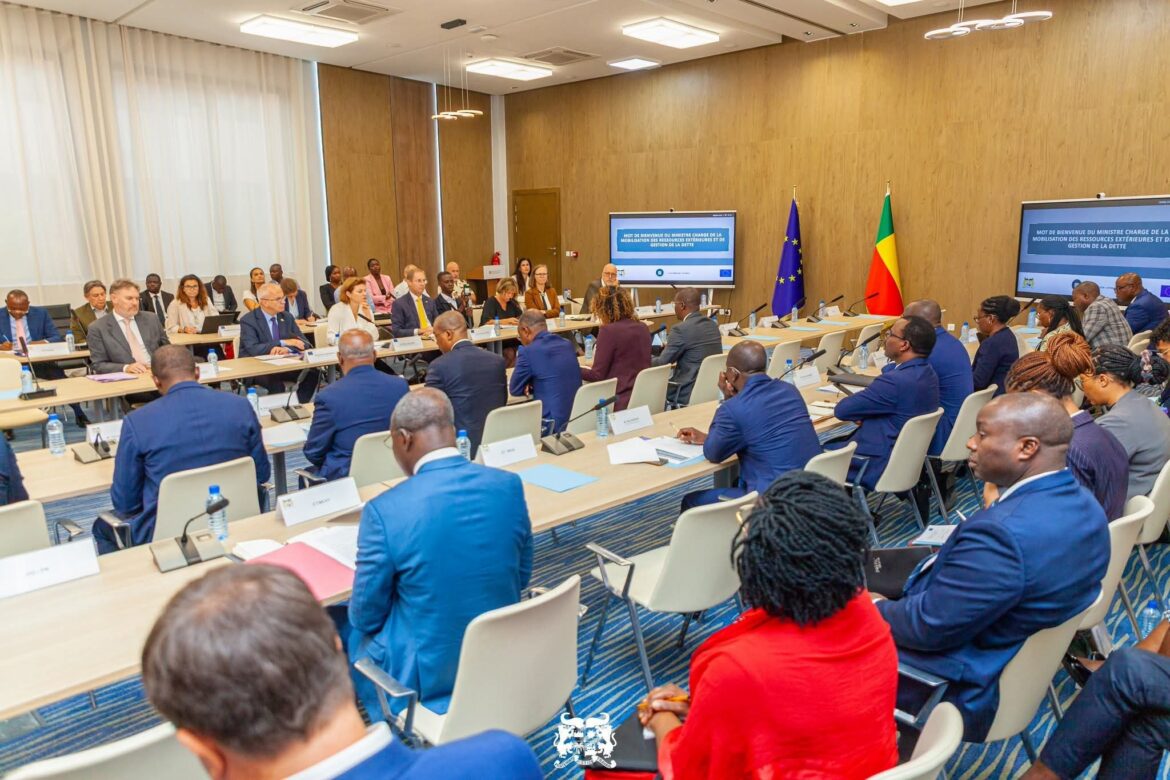
The economic heartbeat of West Africa, Cotonou, hosted a pivotal ministerial session this October 2026 to reinvigorate the bilateral ties between the Republic of Bénin and the European Union. The high-level gathering convened government officials alongside senior European diplomatic envoys, with a shared mission: to assess ongoing agreements and plot a course for targeted interventions in sectors critical to the country’s sustainable growth.
Behind the renewal: how trust and reform are shaping a new partnership dynamic
At the helm of the discussions, Bénin’s Minister of Foreign Affairs, Corinne Amori Brunet, underscored the imperative of fostering an enduring political and economic dialogue with the EU. Her remarks centred on redirecting pooled resources toward measurable outcomes, ensuring that European investments translate into tangible benefits for local communities. On the opposite side of the table, EU representatives praised Bénin’s institutional stability and the sweeping structural reforms implemented by the government, signalling their readiness to align with the country’s top national priorities.
From policy to practice: aligning EU support with Bénin’s evolving needs
The two delegations worked through a strategic roadmap, dissecting both achievements and emerging challenges. Key points of focus included:
- Evaluating ongoing projects: A deep dive into the progress of EU-backed initiatives in sustainable development, governance, infrastructure, and digital transformation.
- Prioritising youth and entrepreneurship: Aligning future investments with Bénin’s pressing labour market demands, particularly in job creation for young professionals and support for local enterprises.
- Strengthening essential services: Enhancing access to quality social services, from healthcare to education, as a cornerstone of inclusive growth.
Regional context: why this partnership matters more than ever in West Africa
This Cotonou meeting reflects a mutual commitment to a partnership of equals, rooted in shared trust and reciprocal accountability. By bolstering diplomatic and economic ties, Bénin and the EU aim to build a more responsive and resilient framework—one capable of navigating the region’s evolving socio-economic challenges with agility and foresight.
What’s next for stakeholders on both sides?
Momentum is building for concrete deliverables, from targeted financing mechanisms to policy reforms that prioritise citizen-centred outcomes. For the private sector, this translates into new opportunities for collaboration, while local communities stand to gain from improved infrastructure and expanded access to vital services. The next phase will hinge on translating these commitments into action, ensuring that every pledge made in Cotonou yields visible, long-term benefits.