The 2027 French presidential race isn’t just about ambition—it’s a high-stakes administrative gauntlet. With over 30 contenders already vying for the Élysée, the real battleground lies not in campaign rallies, but in the quiet corridors of local government buildings across the country. The difference between a headline-grabbing announcement and an official ballot spot? 500 carefully collected endorsements from elected officials. This behind-the-scenes dynamic reveals who’s serious about governance—and who’s merely making political theatre.
The High Wire Act of Political Endorsements
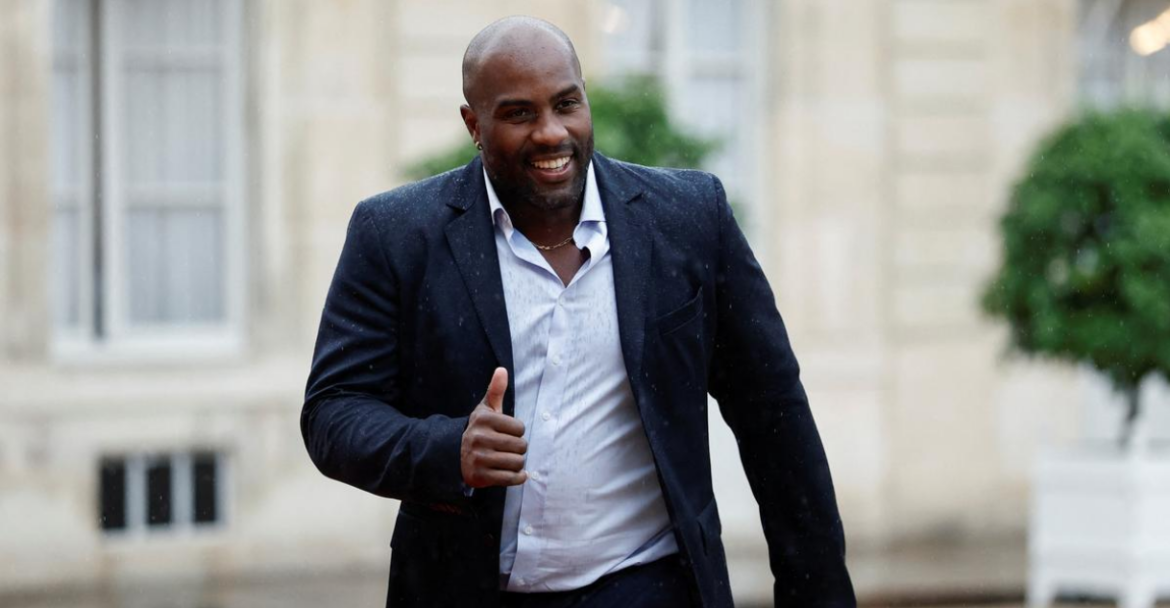
In the French presidential system, the journey from ambition to candidacy is anything but straightforward. While 30+ individuals have declared their intent—ranging from seasoned politicians to Olympic champions like Teddy Riner—the vast majority face a daunting challenge: securing 500 valid endorsements from elected representatives. These aren’t just any signatures. They must come from mayors, parliamentarians, regional and departmental council members, and other designated officials under strict legal criteria.
This process serves a critical purpose: ensuring candidates represent a broad cross-section of France’s geographic and political landscape. To qualify, endorsements must come from at least 30 different departments or overseas territories, with no single department contributing more than 50 signatures (10% of the total). The rule prevents regional monopolies and forces contenders to build alliances far beyond their immediate political base. But there’s a twist: an endorser doesn’t necessarily support the candidate’s ideology—just their right to stand.
Who Holds the Keys to the Ballot?
The pool of eligible endorsers is deliberately narrow and diverse:
- Mayors: Over 34,000 town mayors, from large cities to rural communes, wield significant influence in this process.
- Parliamentarians: Deputies and senators can endorse multiple candidates, making their support highly coveted.
- Regional and Departmental Council Members: Elected at the territorial level, they represent another critical layer of endorsers.
- Other Designated Officials: Including some presidents of overseas collectivities and certain representatives of the Assembly of French Citizens Abroad.
For candidates without deep-rooted political networks—like Teddy Riner—the race to gather these signatures becomes a marathon of persuasion. A single endorsement from a mayor in Brittany may carry as much weight as one from a senator in Provence-Alpes-Côte d’Azur, but the challenge lies in volume, diversity, and timing. The clock starts ticking the moment a candidate publicly announces their bid, and the deadline is rigid: 12 March 2027 at 6 PM.
The Silent Filter Between Ambition and Legitimacy
What many hopefuls overlook is that 500 signatures aren’t just a formality—they’re a filter. The Constitutional Council doesn’t merely count them; it verifies their authenticity, checks the eligibility of both signatories and candidates, and ensures no coercion or fraud occurred. Candidates must also submit a detailed asset declaration and interest statement, adding transparency to the process.
Those who fail to meet the criteria face public disqualification. Others may withdraw voluntarily, recognizing the logistical impossibility of meeting the threshold. For some, the effort exposes the gap between media spectacle and political reality. The Council’s final list is due by 26 March 2027—just three weeks before the first round on 18 April 2027.
The Unseen Costs of Endorsement Hunting
Behind the numbers lies a high-pressure ecosystem:
- Time and Resources: Endorsement hunting demands countless meetings, letters, and follow-ups. For independents, it requires building credibility from scratch.
- Political Risk: Endorsers risk alienating rivals or parties by backing a contestant who may fail.
- Public Scrutiny: As endorsements surface in local media, voters begin to gauge who has genuine support—and who is just a name on a list.
Even celebrity candidates like Riner, who positions himself as a unifying figure outside traditional politics, must navigate this maze. His goal? To prove his movement transcends the usual partisan divides—not just in words, but in endorsements.
The Paradox of a Crowded Field
More than 30 individuals have thrown their hats into the ring, yet the number of actual candidates will likely shrink sharply by March. Some will drop out under media pressure. Others will fall short on signatures, either through lack of reach or poor strategic timing. The double-digit dropout rate isn’t unusual—it’s baked into the system.
The 500-signature rule was designed in 1962 to stabilize the presidential process, filter out fleeting ambitions, and ensure only viable, nationally supported candidates advance. It prevents the ballot from becoming a circus of single-issue or regional figureheads. But in an era of social media personas and viral politics, the rule now serves a dual purpose: to distinguish political intent from performance.
As the deadline looms, the field will narrow rapidly. The chaotic energy of early declarations will give way to calculated alliances and quiet negotiations. The real race, it turns out, doesn’t start on the campaign trail—it begins in city halls and county seats across France.
What Happens Next?
The final list of candidates will be known by late March. From there, the certified contenders will enter a tightly regulated campaign phase: spending caps, mandatory financial disclosures, and strict transparency rules enforced by the National Commission for Campaign Accounts and Political Financing (CNCCFP).
But for the hundreds of hopefuls who won’t make the cut, the journey ends not with a loss at the polls, but with a quiet realization: in France, running for president isn’t about having a voice—it’s about proving you’ve earned one.