The rhythm of trade between Algeria and Niger is accelerating, and with it, a transformation in the dynamics of one of the Sahel’s most strategic markets. On November 7, 2026, a caravan of 25 large trucks departed from Adrar in southern Algeria, loaded with 1,050 tons of goods destined for Niamey and beyond. The shipment—coordinated by nine private operators—marks the latest phase in Algeria’s push to expand its non-oil exports into West Africa.
The cargo consisted of dried dates, detergents, packaging materials, and salt—all staples in Nigerien daily life. Organized to coincide with Algeria’s National Export Day, the operation reflects a deliberate strategy to leverage Algeria’s proximity to Sahelian markets and tap into growing demand among consumers in landlocked countries. But behind the logistics and official rhetoric lies a deeper question: how is this influx reshaping the very foundation of Niger’s local industries?
The date dilemma: Algerian dates crowding out Niamey’s oasis heritage
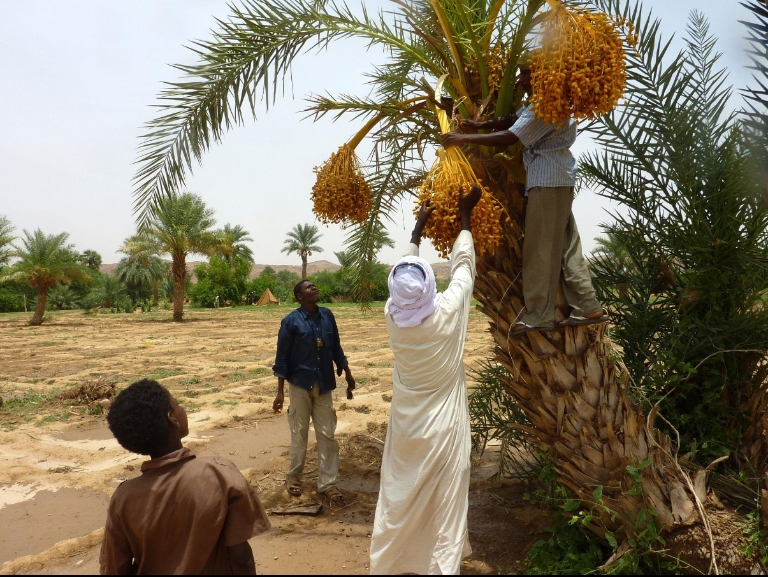
In the dunes of Kawar, a remote region in northeastern Niger stretching from Bilma to Fachi and Dirkou, date palm cultivation has been a way of life for generations. The area boasts unique varieties like the famous *tissint* and *deglat nour*, prized for their sweetness and texture. For decades, these dates fed families not only in the Sahel but also across West Africa, becoming a cultural symbol of resilience in the Sahara.
Yet despite its reputation, the sector has struggled. Farmers face severe constraints: erratic rainfall, limited irrigation, high transport costs, and a lack of cold-chain infrastructure. These challenges push yields down and prices up, making local dates tough to market competitively. In 2024, local reports highlighted how Algerian and Libyan dates—often cheaper, more uniformly packaged, and consistently available—were gradually displacing Niamey’s producers from regional markets.
Now, with Algeria dispatching another 1,050 tons of dried dates to Niger, the pressure is intensifying. “The arrival of these large shipments could break the thin thread holding our local cooperatives together,” said a farmer from Bilma, speaking on condition of anonymity. “If consumers see price tags that are half what we charge, why would they buy ours?” The concern isn’t just economic—it’s cultural. The silent displacement of traditional produce could erase decades of agricultural identity.
From detergents to packaging: how Algeria’s manufactured goods are reshaping local production
It’s not just dates that are crossing the border. The same caravan carried detergents and plastic packaging—everyday goods widely used by households and small businesses. While consumers benefit from lower prices and greater availability, Nigerien manufacturers face a tightening vice.
Local industries—many of them small and medium-sized enterprises (SMEs)—have long battled structural hurdles: skyrocketing raw material costs, unreliable power supply, frequent fuel shortages, and inefficient logistics. According to industry insiders, at least three smaller detergent producers closed their doors in 2024 after failing to match imported prices. One factory owner in Maradi lamented, “We can’t compete when subsidized or mass-produced goods from Algeria flood the market at 30% below our production cost.”
Packaging manufacturers, too, are feeling the squeeze. Local producers struggle to meet demand for standardized, export-ready containers, while Algerian suppliers offer bulk, low-cost solutions. This creates a paradox: Niger imports packaging to sell its own goods—sometimes even the very items packaged by competitors.
The state responds: quality checks, but is it enough?
Recognizing the threat, the Nigerien government launched a national conformity inspection program on August 1, 2026. Led by the Ministry of Commerce and Industry, the initiative targets imported goods suspected of breaching safety or quality standards. The goal? To protect consumers from substandard products and prevent unfair competition that could undercut local producers.
While praised for its intent, the program has limitations. It addresses symptoms—not causes. Quality controls don’t reverse supply chain inefficiencies, nor do they provide the capital, training, or infrastructure needed to modernize local production. “We need more than just border checks,” said an economist at Abdou Moumouni University. “We need industrial parks, access to credit, and technical support for our SMEs to innovate and scale.”
Can Niger move from consumer to producer in the Algeria trade equation?
The influx of Algerian goods reflects a broader imbalance: Niger often serves as a consumer market for its neighbors, exporting raw materials or low-value products while importing finished goods. This pattern risks turning the country into a perpetual trade deficit, with wealth flowing outward and jobs remaining scarce locally.
Yet the relationship need not be one-sided. Strategic partnerships could help Niger turn imports into opportunities—by encouraging joint ventures, technology transfer, and co-production. Imagine Algerian investors setting up juice processing plants in Diffa using locally grown dates, or packaging firms collaborating with Nigerien agribusiness cooperatives to create sealed, shelf-ready products for regional export. These scenarios would not only preserve jobs but also add value within Niger’s borders.
But for that to happen, the government must go beyond inspection. It needs a comprehensive industrial policy: tax incentives for local manufacturers, duty-free access to critical inputs, investment in solar-powered cold storage, and vocational training programs to build technical skills. Without such measures, the 25 trucks that rolled out of Adrar may not just bring goods—they may accelerate the decline of Niger’s industrial ecosystem.
The bottom line: fair trade, not free trade
The question before Niger is not whether to accept Algerian goods, but on what terms. An open market is a healthy market, but only when both producers and consumers thrive. The caravan from Adrar is more than a logistical event—it is a mirror held up to Niger’s economic readiness. Can the country equip its farmers, artisans, and entrepreneurs to stand alongside imports? Or will it continue to buy—and consume—solutions made elsewhere?
One thing is clear: the race has already begun. The winners won’t be decided at customs checkpoints, but in warehouses, fields, and boardrooms across Niger. The stakes are higher than 1,050 tons of cargo. They are about the future of an entire economy—and the people who depend on it.