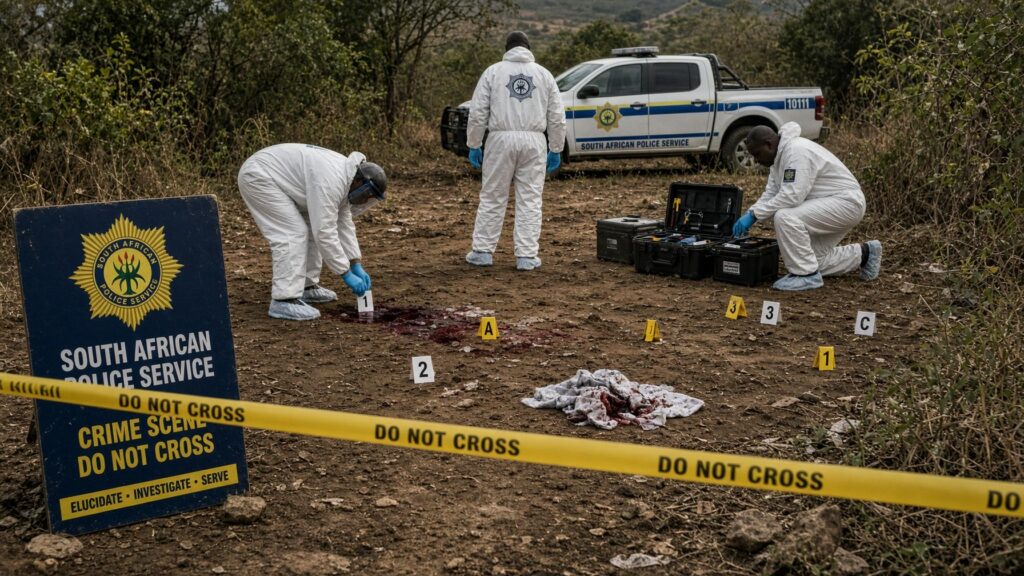
South Africa has been plunged into mourning once more after a burst of gun violence left at least 27 people dead in two separate attacks in Johannesburg and the Cape Town area. The bloodshed, which unfolded within a matter of hours, has revived a painful question: can the country break its cycle of mass shootings, or is it sliding deeper into a permanent state of emergency?
What happened in Johannesburg and Cape Town?
Two armed assaults of extreme brutality shook the country. In Johannesburg, the economic heartland, gunmen opened fire on a group of people at an informal establishment in a working-class neighbourhood. In the Cape Town region, shots rang out in a peri-urban area already scarred by gang rivalries and organised crime. At least 27 people lost their lives, and several others were seriously wounded.
Police have flooded both crime scenes with reinforcements and launched manhunts for the unidentified attackers, who fled in vehicles before officers could close in.
A pattern of indiscriminate violence
According to early police findings, the attackers targeted groups of people and fired without discrimination. The method bears the hallmarks of the kind of mass shootings that have become alarmingly familiar in South Africa — sudden, ruthless, and often linked to underworld feuds.
Why does gun violence keep escalating?
This latest tragedy throws a harsh spotlight on South Africa’s staggering levels of insecurity. The country consistently records one of the highest homicide rates in the world, and mass killings have been on the rise in recent years.
Recurring flashpoints include:
- Drug and extortion rackets in townships, where gangs battle for control.
- Deadly rivalries between minibus taxi associations competing for lucrative routes.
- The unchecked flow of illegal firearms that end up in the wrong hands.
Despite repeated government pledges to boost police visibility and clamp down on weapons trafficking, the bloodshed continues — fuelling public anger and a growing sense of abandonment.
What comes next for a country on edge?
With each new mass shooting, the pressure on authorities intensifies. Communities are demanding not just promises but tangible results: arrests, prosecutions, and a visible decline in the weapons that turn ordinary disputes into massacres. For now, the question of whether South Africa can rein in its gun violence remains unanswered — and the stakes could hardly be higher.
You may also like
Senegal’s December 2, 2026: will Diomaye Faye dissolve parliament or play the long game?
Senegal’s 2026 budget revision: can Dakar still rescue its growth and investment agenda?
Senegal’s 2026 revised budget: a trap vote for Pastef or a necessary evil?
Burkina Faso’s armored vehicles: can Faso Armored’s 300-unit claim survive the scrutiny?
Can Senegal and Azerbaijan turn a New York memorandum into a lasting political partnership?