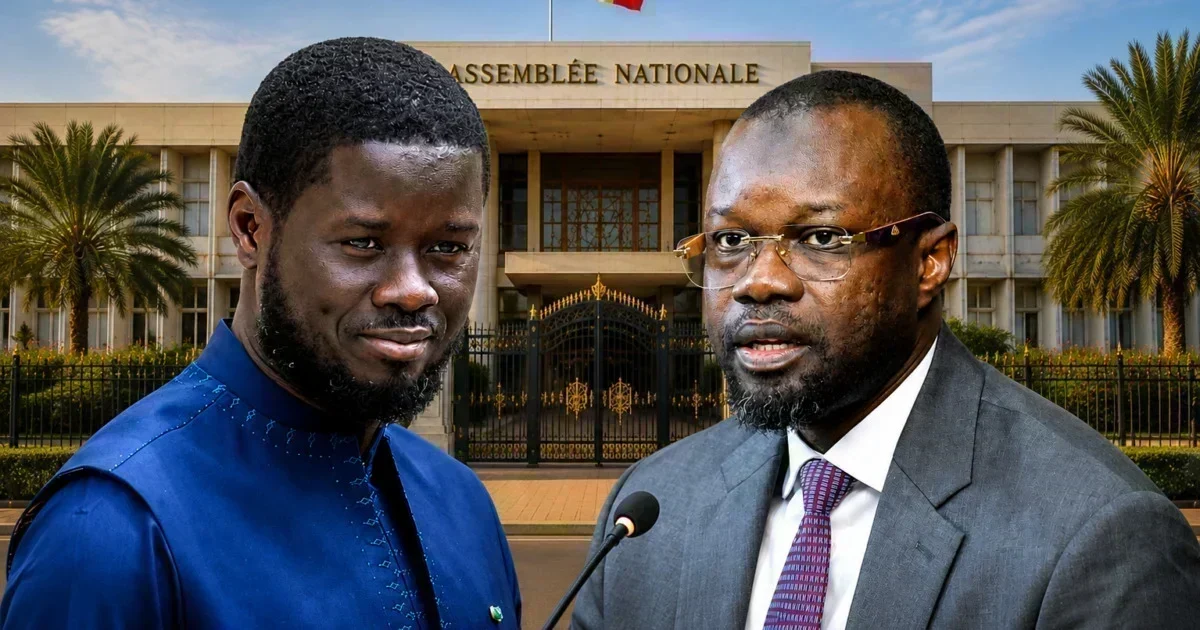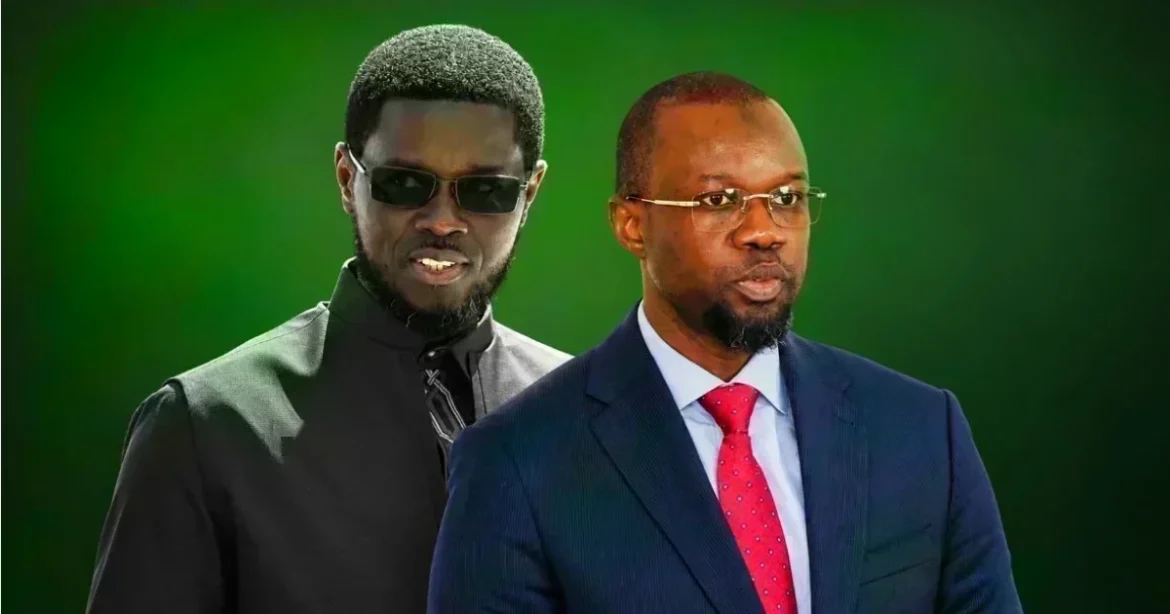
Behind the latest political standoff in Senegal lies a deeper institutional conflict over budget transparency. On October 1, 2026, the National Assembly—led by Ousmane Sonko—deliberately overruled government amendments to a landmark bill aimed at regulating special funds. Now, the legislation faces a decisive review by the Constitutional Council, where President Bassirou Diomaye Faye’s administration may finally secure a legal victory.
Why the National Assembly defied the presidency over special funds
The proposed organic law (No. 38/2026) seeks to redefine the management of fonds spéciaux, often criticized as opaque presidential slush funds. The Assembly’s version tightly restricts these funds to defense, security, and diplomacy—excluding social spending, which the government insists is constitutionally mandated. This clash stems from an earlier constitutional rejection (Decision No. 7/C/2026, August 25, 2026), which the Assembly reworked but failed to reconcile with the presidency’s legal objections.
Key disagreements persist:
- Nature of special funds: The Assembly wants them isolated as a distinct budget category, while the government argues this would violate constitutional social mandates.
- Parliamentary oversight: The government proposed limiting the National Assembly’s financial review powers to the current fiscal year, stripping post-audit review—a move Assembly members view as a power grab.
- Ministerial accountability: The presidency sought to require legislative requests to question ministers to be routed through the president, a provision the Assembly rejected.
Constitutional Council as the final arbiter
The government invoked the blocked vote procedure—Constitution Article 82(4) and National Assembly Rules Article 87—to force a single vote on its amended text. The Assembly countered by rejecting all governmental adjustments, sending its unaltered version to the Constitutional Council for scrutiny. As a law regulating state finances, the bill cannot enter force without constitutional approval.
The Council will now weigh arguments from both sides: the Assembly’s push for transparency against the presidency’s claims that the amendments breach UEMOA budget directives, intrude on the Audit Court’s jurisdiction, and undermine procedural legitimacy. The outcome could redefine the balance of power between Senegal’s branches of government.
What’s at stake for Senegal’s citizens and institutions
Beyond political maneuvering, the bill’s fate could reshape public trust in fiscal governance. Special funds—historically used for discretionary presidential spending—have long faced criticism for lack of oversight. If the Constitutional Council sides with the presidency, it may validate a model of centralized control; if it upholds the Assembly’s text, it could usher in stricter parliamentary scrutiny. Either path will set a precedent for legislative-executive relations in Senegal’s evolving democracy.