From mid-tier to major player: the hidden forces behind Benin’s tourism push
Benin sits at 19th place in Africa’s tourism development rankings according to the World Economic Forum’s Travel & Tourism Development Index. While the West African nation boasts rich historical and cultural assets, the mid-tier status spotlights systemic gaps in infrastructure, business environment, connectivity, and sustainability—gaps that demand urgent structural reform to close the gap with continental leaders.
The 2027 milestone marks a decisive inflection point: a historic investment of approximately $1.2 billion (600 billion FCFA) is being mobilized to reengineer the tourism ecosystem from the ground up. But what lies behind this bold financial commitment, and how will it reshape Benin’s global standing?
Behind the 600 billion FCFA pledge: The real drivers of transformation
The allocation is not merely a budget increase—it’s a targeted response to the root causes exposed by international assessments. Behind the headline figure lies a deliberate strategy to address the chronic underinvestment that has kept Benin’s tourism sector from achieving its potential.
The investment package focuses on three interconnected pillars:
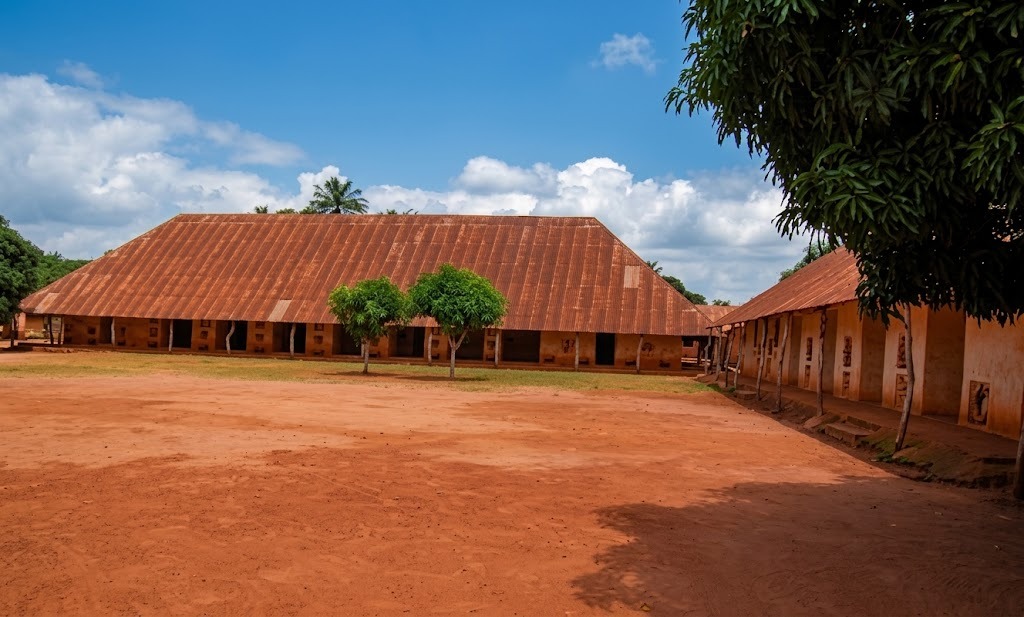
- Cultural preservation and storytelling: Major funding is directed toward completing and operationalizing flagship museums—the Museum of Kings and Amazons in Abomey, the Museum of Memory and Slavery in Ouidah, and the Art Museum in Cotonou. These projects redefine how Benin presents its heritage to the world, turning historical depth into competitive advantage.
- Tourist circuit rehabilitation: Landmark destinations—such as the stilt village of Ganvié and the Slave Route—are undergoing comprehensive upgrades. These sites are being transformed from static attractions into immersive experiences with modern accessibility, guided interpretation, and sustainable tourism models.
- Human and logistical capacity building: The plan includes large-scale training for local tourism professionals, expansion of high-quality hotel chains, and modernization of transport and logistics networks. This ensures that increased visitor flows can be absorbed smoothly and safely.
2030 Vision: How tourism could lift Benin’s economic footprint
The ultimate goal is bold: to triple the tourism sector’s contribution to Benin’s GDP, raising it from its current share to 13% by 2030. This target positions tourism as a second engine of sustainable growth, complementing agriculture and services.
It’s a high-stakes gamble. Success would redefine Benin as a cultural and historical destination of choice in West Africa—shifting its narrative from mid-tier performer to rising star. Failure, however, could leave the country with underutilized infrastructure and unrealized potential.
The coming years will reveal whether this 19th-place ranking was a catalyst for reinvention—or just another missed opportunity.
What this means for travelers and locals
For international visitors, the changes promise richer, more authentic experiences—from exploring restored palaces to walking the paths of the Slave Route with expert guidance. For Beninese citizens, the plan includes job creation in hospitality, improved services in cultural hubs, and greater global visibility of their nation’s story.
The 600 billion FCFA investment isn’t just about numbers—it’s about transforming a sector, reshaping a nation’s image, and rewriting Benin’s future on the world stage.