
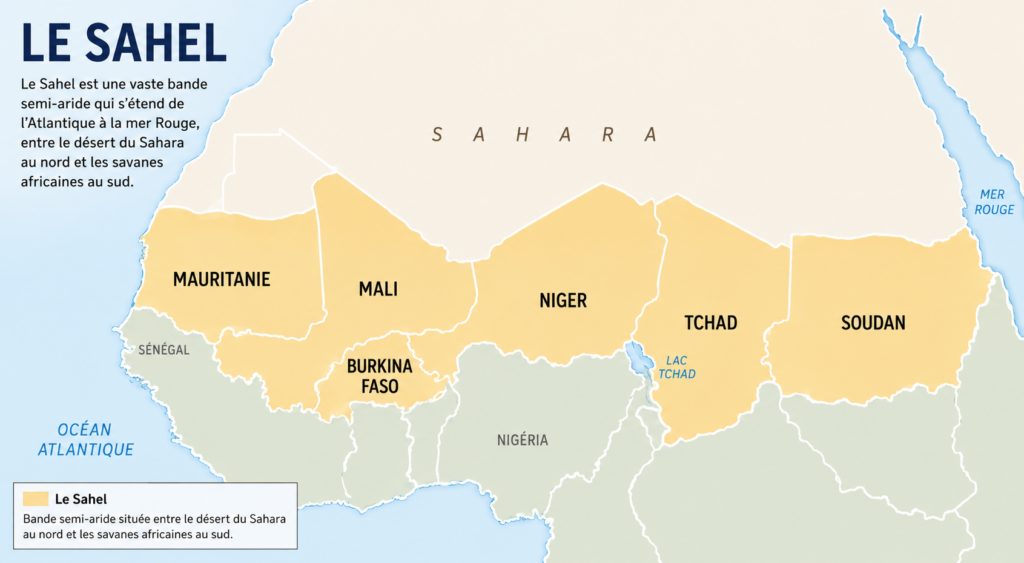
The Sahel region is grappling with one of the world’s most overlooked humanitarian crises, with over 24 million people expected to require urgent assistance in 2026. As global attention remains fixated on conflicts elsewhere, the situation in this West African belt continues to deteriorate, leaving communities increasingly vulnerable.
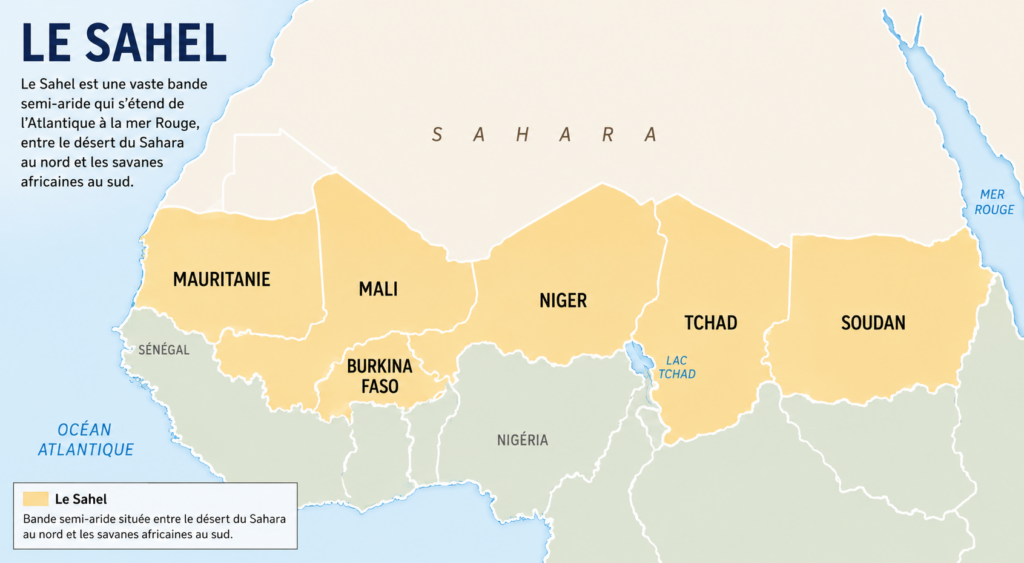
From Mauritania to Chad, including Mali, Burkina Faso, and Niger, communities face a mounting series of crises. Armed conflicts, forced displacements, soaring inflation, and climate-related disasters have pushed millions to the brink of survival. The pre-harvest period between June and August is particularly critical, with nearly 15.5 million people at risk of severe food insecurity—over 1.5 million of whom may face emergency conditions requiring immediate intervention.
The human cost behind these figures is stark. Families are scaling back meals, farmers struggle to afford fertilizers and seeds, and displaced populations face a loss of livelihoods. Children are often forced to abandon education, while women and girls bear the brunt of escalating violence and economic hardship.
declining international aid fuels crisis
Humanitarian agencies warn of a dangerous funding gap. In 2025, only 29% of the required financial support for Sahel operations was secured—the lowest level in years. This shortfall has forced agencies to scale down operations, suspend programs, or retreat from high-risk areas entirely. The ripple effects are immediate: reduced food distributions, limited access to healthcare, and dwindling protection services for the most vulnerable, especially women and children.
The economic fallout from global tensions, particularly in the Middle East, has driven up energy, transport, and agricultural input costs. These price surges disproportionately impact already struggling communities. Without urgent funding, the consequences on the ground will only deepen—more hunger, more displacement, and fewer opportunities for recovery.
escalating violence disrupts lives
Beyond food insecurity, the Sahel’s security landscape is rapidly deteriorating. Once confined to central Sahel, violence now radiates toward coastal West African nations. Armed groups continue to expand their influence, triggering mass displacements and shuttering essential services. Nearly 12,900 schools have closed, leaving over 2.3 million children without education—a loss that threatens to shape a generation of unskilled youth in communities with limited economic prospects.
Humanitarian experts highlight the long-term risks: as education systems collapse, vulnerable young populations become easy targets for recruitment by armed factions seeking to exploit their desperation.
climate change amplifies suffering
The region’s plight is further compounded by climate change. This year alone, nearly 590,000 people have been displaced by floods, while recurring droughts and desertification shrink arable land and water resources. Despite contributing minimally to global emissions, the Sahel remains one of the most climate-vulnerable regions on Earth.
Without decisive action, the convergence of these crises will deepen human suffering. The United Nations urges international donors to prioritize funding immediately. While solutions exist, time is running out—millions of lives hang in the balance as funding gaps threaten to push the region into irreversible decline.
You may also like
-
Ousmane Sonko rallies Pastef militants in Bargny for membership card drive
-
Bargny rally: Ousmane Sonko rallies Pastef militants for membership drive
-
Ousmane Sonko rallies supporters in Senegal’s pastef membership drive
-
Ousmane Sonko rallies supporters in Bargny, Sébikotane, Khombole and Bambey for Pastef membership drive
-
Côte d’Ivoire electoral reform: 2PFJ pushes for inclusive political dialogue