
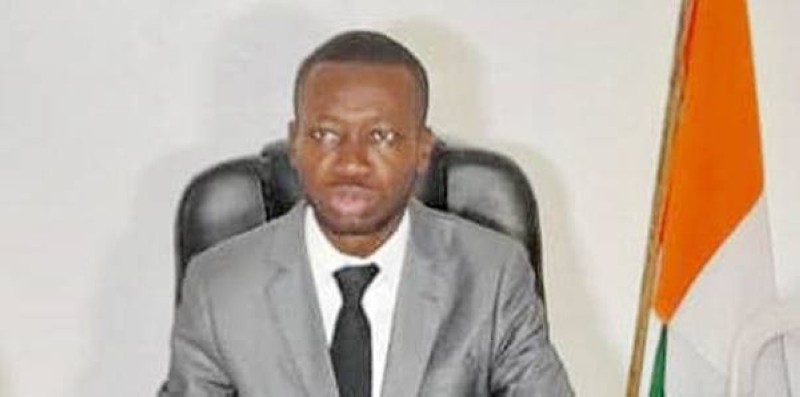
In a bold move to reshape Côte d’Ivoire’s electoral landscape, the Panafrican Platform of Women and Youth for Peace, Democracy and Governance (2PFJ) has issued a strong call for an open, inclusive, and constructive political dialogue. This urgent appeal comes as the nation grapples with the complexities of electoral reforms, aiming to foster sustainable governance and democratic resilience.
The 2PFJ’s position, articulated in a formal statement issued on July 21, 2026, underscores the need for a thorough and honest assessment of the country’s socio-political climate. The organization emphasizes that electoral governance reforms, which lie at the heart of the Republic’s foundational values, cannot be reduced to mere informational sessions. Instead, they must evolve into a robust framework for national negotiation and republican dialogue, uniting all key stakeholders.
Building consensus for credible electoral institutions
The platform advocates for the creation of a future electoral management body that emerges from a broad national consensus. This approach, it argues, is essential to fostering trust among all political actors. To achieve this, 2PFJ recommends the establishment of parity-based technical commissions, comprising representatives from the government, opposition, and civil society. These commissions would play a pivotal role in defining the competencies, financial autonomy, and independence of the proposed electoral institutions—or any alternative institutional architecture that may be adopted.
Key demands for a fair electoral process
The 2PFJ’s proposals, outlined in a document signed by Jean-Martial N’Guessan, Chairman of the 2PFJ’s Board of Directors, highlight several critical priorities:
- Dialogue and trust: The platform insists on the release of individuals detained for politically motivated reasons and the safe return of exiles, as prerequisites for fostering a conducive environment for negotiations.
- Inclusive representation: It calls for meaningful participation of women’s and youth organizations in future electoral bodies, ensuring a balanced and citizen-driven oversight mechanism.
- National unity: Recognizing the deep scars left by past electoral crises, 2PFJ reminds Ivorians of their collective strength in overcoming divisions when the nation’s higher interests are at stake.
- Shared vision: Electoral reform is framed as an opportunity to unite citizens around a common goal—building a more stable, peaceful, and prosperous Côte d’Ivoire.
Government’s role in driving reform
The organization’s stance follows a significant government initiative: the dissolution of the former Independent Electoral Commission (CEI) and a high-level working session held on June 22, 2026. This meeting, led by Prime Minister Robert Beugré Mambé, brought together political parties, movements, and civil society organizations to explore pathways for sustainable electoral reform.
As Côte d’Ivoire stands at a crossroads, the 2PFJ’s call for dialogue and inclusivity could serve as a catalyst for transforming electoral reforms into a unifying force. By prioritizing transparency, consensus-building, and the integration of all voices, the nation can pave the way for a democratic future rooted in trust and collective ownership.
You may also like
-
Escalating tensions in Niger and Burkina Faso’s military regimes
-
Soutien d’Abuja au Front Polisario : le projet illusoire du gazoduc Nigeria
-
Cameroun economic outlook 2026: Hilli Episeyo exit to impact growth
-
Gabon-FMI : le PNCD au cœur d’un nouveau programme d’ici 2026
-
Togo–Union européenne : un partenariat « en forte croissance », selon l’ambassadeur sortant Gwilym Ceri Jones