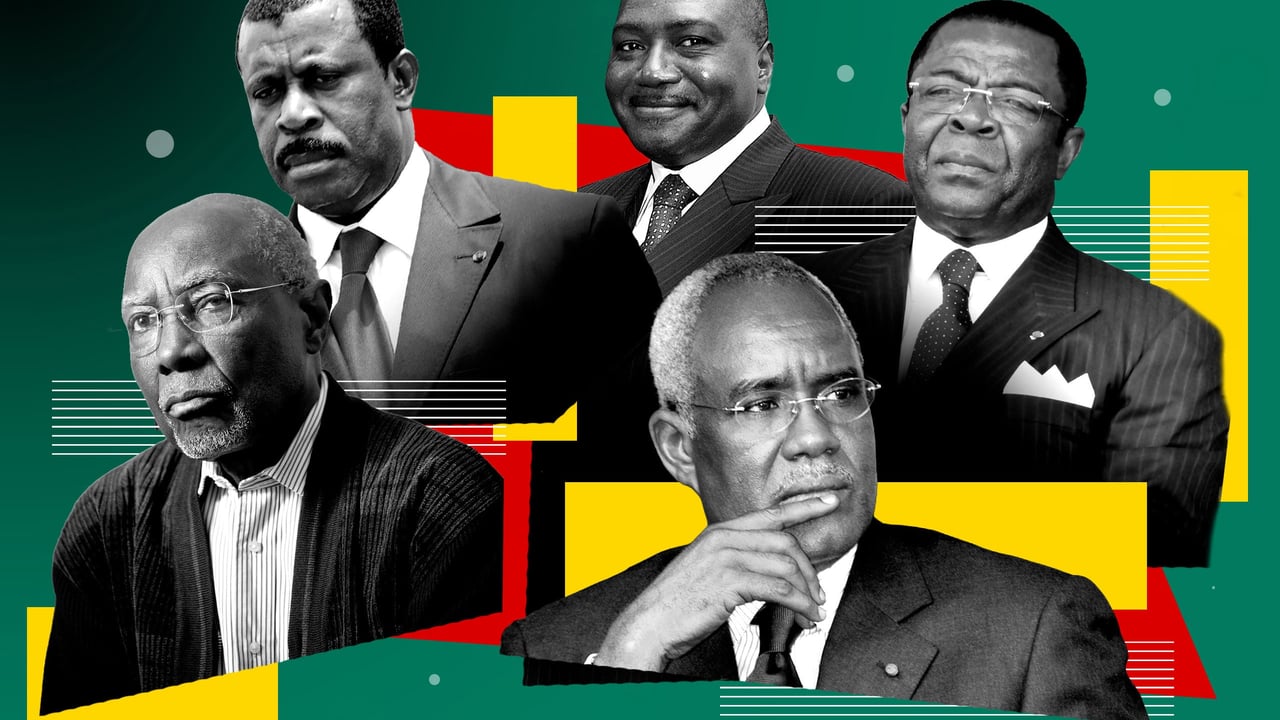

Cameroon’s fallen leaders: those who once held power but now haunt Yaoundé’s corridors
For over four decades under President Paul Biya’s rule, Cameroon has witnessed the rise and fall of influential figures. Some once wielded immense authority, only to lose everything in their quest for power—or simply in daring to challenge the status quo.
From palace favorites to political prisoners
Since ascending to power in 1982, President Paul Biya has shaped Cameroon’s political landscape with an iron grip. His tenure has seen numerous high-ranking officials rise to prominence, only to be cast aside when their loyalty wavered or ambitions grew too bold. These former insiders now serve as stark reminders of the fleeting nature of power in the country’s capital.
Their stories are woven into the fabric of Yaoundé’s Palais d’Etoudi, where decisions once echoed with finality. Today, their presence lingers not as advisors, but as cautionary tales etched into the nation’s political memory. Among them are figures like Marafa Hamidou Yaya, once a trusted ally, whose journey from cabinet minister to detainee encapsulates the harsh realities of political survival in Cameroon.
When ambition clashes with authority
The fate of Cameroon’s fallen leaders often hinges on a single misstep—whether it was a failed coup, an unauthorized interview, or an attempt to consolidate influence beyond the president’s approval. The consequences are swift: imprisonment, exile, or political erasure. Their downfalls serve as unspoken warnings to those who might dare to dream of succession.
Take the case of Titus Edzoa, a former presidential physician turned minister, whose 1997 attempt to run for office ended in a decade-long prison sentence. Or Ephraïm Inoni, once Prime Minister, who now faces the consequences of decisions made during his time in power. Each story underscores a brutal truth: in Cameroon, power is borrowed, not owned.
Legacy and lessons in a shifting political climate
These fallen leaders are more than relics of a bygone era; they represent the shifting sands of Cameroon’s political alliances. Their experiences highlight the risks of challenging the established order and the high price of overreaching. As President Biya’s influence endures, their legacies serve as a reminder that in Yaoundé, today’s confidant can quickly become tomorrow’s cautionary tale.
For Cameroonians and political observers alike, their stories offer a glimpse into the inner workings of a system where loyalty is currency and power is a privilege granted—and revoked—at will.