Behind the fall: how Ueno Bank’s collapse undid a presidency
Asunción, 5 November 2026 — The collapse of Ueno Bank, a growing cash crunch for three million savers, and a rapidly escalating impeachment process left President Santiago Peña with no other option: resignation. His abrupt departure marks the most dramatic political implosion in Paraguay’s recent history, turning a local banking scandal into a full-blown crisis of confidence in the country’s institutions.
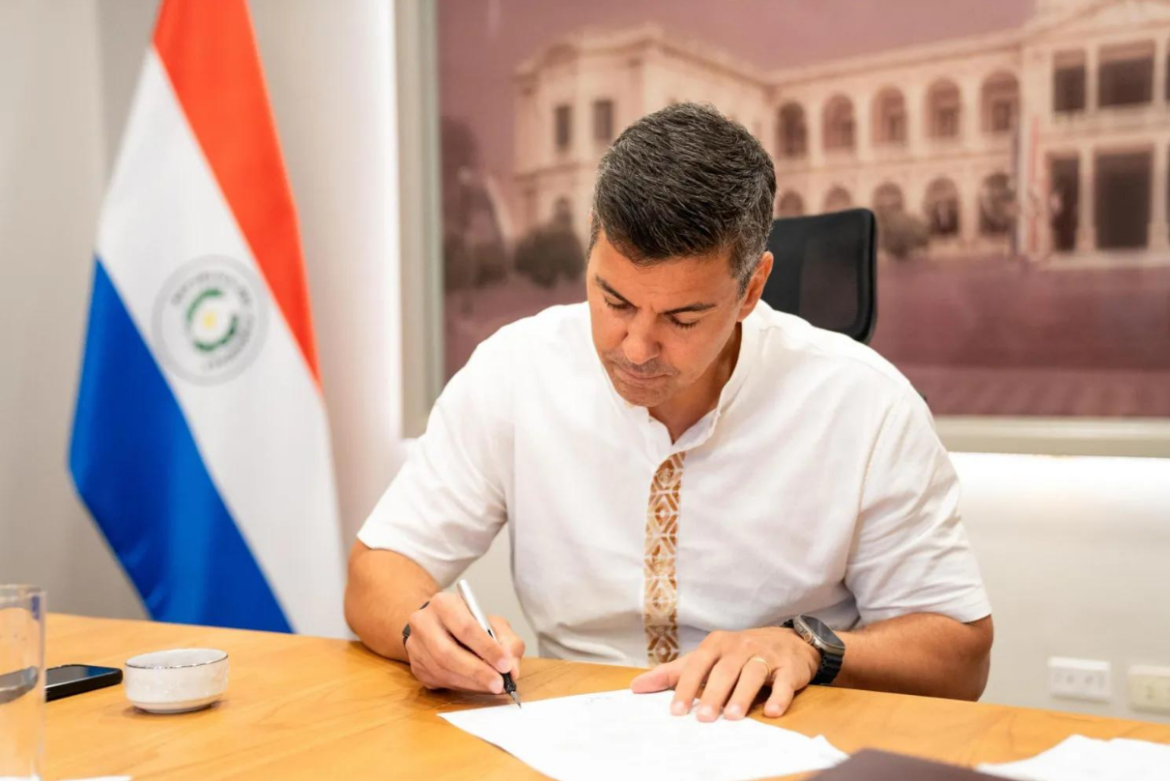
Speaking live on national television, Peña framed his decision as a sacrifice for stability. “I have taken the decision to resign the presidency of the Republic,” he announced, just hours before the Chamber of Deputies was due to vote on impeachment motions against him and Vice-President Pedro Alliana. The move capped a week of political freefall that began when Paraguay’s central bank froze Ueno’s operations, citing critically low solvency ratios that threatened every depositor’s savings.
With Ueno controlling more than 45 % of retail deposits nationwide, the freeze instantly locked millions out of their accounts, froze salaries and pensions, and paralysed small businesses dependent on daily transactions. The bank also held hundreds of millions in government-backed pension and welfare funds, turning a corporate collapse into a public liability.
The Ueno domino effect: from solvency crisis to civic anger
Ueno’s solvency deficit—a shortfall in capital reserves below the 50 % regulatory floor—was officially confirmed on 31 October. Auditors found that reckless lending, linked to politically connected developers, had eroded the bank’s balance sheet to a point of no return. Yet the damage spread further than balance sheets when central-bank governor Carlos Carvallo, once Ueno’s former executive, resigned under pressure over perceived conflicts of interest in regulatory oversight.
Within 48 hours, protests erupted in Asunción’s financial district. Retirees, shopkeepers, and public-sector workers gathered outside branch offices, waving passbooks and demanding immediate refunds. Videos posted on social media showed police dispersing crowds with tear gas as frustration boiled over into street confrontations. Overnight, the crisis morphed from a technical failure into a legitimacy crisis for the entire political class.
Shadows at the palace: Peña’s old ties to Ueno’s owners
Scrutiny quickly shifted to Peña’s personal and political connections to the bank’s former leadership. Public filings show Peña held shareholdings in the Ueno banking group until April 2025. While he sold his stake before assuming office, critics argue the sale price and timing raised eyebrows, especially after a government decree in late 2024 exempted Ueno from higher capital requirements.
The opposition alliance, already gathering signatures for impeachment, accused Peña of creating a regulatory loophole that funnelled pension funds into risky investments. Investigators have now subpoenaed financial records spanning five years, seeking to determine whether political interference weakened oversight and allowed Ueno to gamble with public money.
Did public money become private risk?
Paraguay’s social-security system, administered by the same holding that previously owned Ueno, channelled an estimated US$ 800 million in pension reserves into the bank’s riskiest loan products. When the central bank stepped in, those funds were frozen alongside private deposits, leaving retirees wondering when—or if—they would receive their monthly stipends.
Alliana inherits a house of cards
Pedro Alliana, a former finance minister and long-standing Colorado Party stalwart, now faces an unenviable handover. Under Paraguay’s constitution, he assumes the presidency for the remainder of Peña’s term, which ends in 2028.
His immediate to-do list includes:
- Fast-tracking deposit guarantees for Ueno customers
- Releasing a detailed forensic audit of the bank’s collapse
- Launching criminal proceedings against former Ueno executives
- Negotiating a US$ 1.2 billion emergency liquidity line with multilateral lenders
- Restoring public trust in the central bank’s independence
Alliana has already pledged to prosecute anyone found responsible, but the deeper reckoning—how a stable economy could foster such a spectacular failure—will take months to unfold.
What went wrong with Paraguay’s reputation for stability?
For decades, Paraguay marketed itself as the “Switzerland of South America”: low inflation, steady growth, and a pro-business climate. Yet Ueno’s implosion has exposed weaknesses rarely discussed outside financial circles: cozy ties between bank owners and regulators, lax enforcement of lending rules, and a revolving-door culture that blurred public and private interests.
Economists now warn that the fallout could shave up to 1.5 percentage points off 2026 GDP growth and delay planned sovereign-bond issuances. Foreign investors, already jittery, have placed Paraguay on negative watch, fearful that lingering doubts about financial governance may spill into other sectors.
The resignation of Santiago Peña therefore signals more than the end of one presidency; it heralds a painful reassessment of Paraguay’s economic brand—and the institutional safeguards that were supposed to protect it.