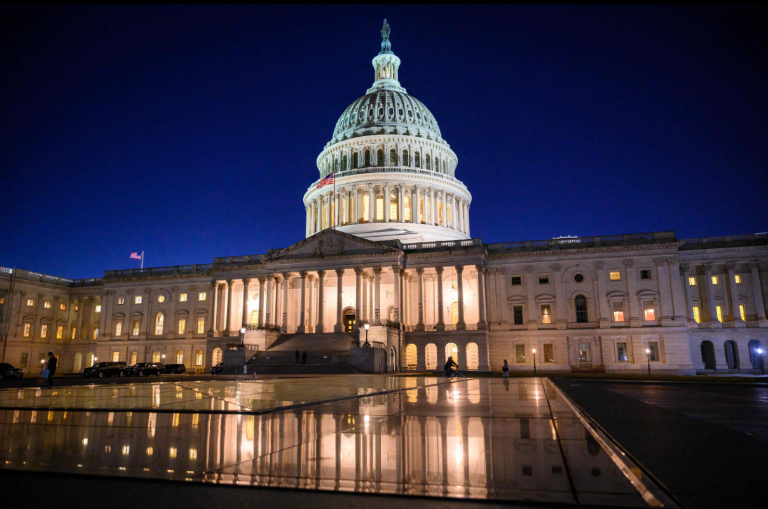
With Democrats securing control of both chambers of Congress in the 2026 midterm elections, Donald Trump faces one of the most significant political setbacks of his presidency. The shift in legislative power exposes deep-rooted vulnerabilities in his foreign policy agenda, forcing a reckoning over America’s global role.
Unprecedented setback reshapes Washington’s diplomatic landscape
The 2026 midterm results sent a clear message: the American electorate is no longer willing to grant Donald Trump unchecked authority over foreign affairs. For the first time since his return to the White House, the president now confronts a legislative branch dominated by an opposition party determined to scrutinize and reshape his international strategy.
The mechanics of congressional influence
Starting in January 2027, Democrats will wield significant tools to challenge Trump’s foreign policy decisions. These include:
- Budgetary oversight: Control over federal spending allows Congress to defund initiatives or impose conditions on military and diplomatic funding.
- Oversight hearings: Public investigations into executive decisions, including arms sales, troop deployments, and diplomatic appointments.
- Legislative roadblocks: The ability to block or amend bills that could hinder Trump’s foreign policy goals.
- Nominations withheld: Delaying or rejecting key diplomatic and defense appointments, undermining their implementation.
While Trump retains executive powers as commander-in-chief and can veto congressional bills, the new dynamic introduces friction that could dilute the coherence of US foreign policy.
Iran and Ukraine: flashpoints of congressional resistance
The wars in Ukraine and against Iran have become defining battlegrounds for the future of American diplomacy. Each represents a test of whether Congress can constrain Trump’s military and strategic decisions.
Iran: from covert operations to public accountability
The February 2026 US military intervention in Iran was launched without prior congressional approval, sparking wide public outcry and framing it as an overreach by the Trump administration. Democrats have vowed to:
- Conduct oversight hearings into the decision-making process behind the operation.
- Push for stricter reporting requirements on covert operations and war funding.
- Reduce or redirect military funding, potentially limiting Trump’s options in escalating the conflict.
However, Congress lacks the power to unilaterally end an ongoing military operation. This legal gray zone creates a persistent tension: the administration can continue its actions, even as Congress challenges their legitimacy. The result? A foreign policy doctrine increasingly defined not by strategic coherence, but by inter-institutional tug-of-war.
Ukraine: a chance for transatlantic restoration?
The Democratic victory raises hopes among European allies that Washington will recommit to supporting Ukraine against Russian aggression. Key expectations include:
- Restoring predictability in military aid, reversing the on-again-off-again pattern of funding.
- Reinforcing cooperation on sanctions and intelligence sharing.
- Re-engaging in diplomatic forums to strengthen NATO cohesion.
Yet, democratic control of Congress does not automatically translate into executive alignment. Trump retains final authority over negotiations and deployments—leaving Europe cautiously optimistic at best.
Trade wars and the limits of congressional oversight
Donald Trump’s aggressive tariff strategy has strained relations with major trade partners, from the European Union to China. While Democrats have criticized this approach, their ability to reverse it remains constrained by constitutional realities.
The White House can impose tariffs under existing executive authority, and Congress can only respond through legislation—often requiring bipartisan supermajorities. This means:
- Tariffs remain in place unless Congress passes and Trump signs a repeal bill—a near-impossible scenario.
- Diplomatic friction persists
- Allies seek alternative trade routes, accelerating the fragmentation of global supply chains.
The midterms have not ended the trade wars, but they signal a new dynamic: one where foreign governments negotiate with both the White House and Capitol Hill, complicating trade deals and alliance management.
A fractured superpower: what the midterms reveal about America’s global presence
The 2026 midterms are more than a political defeat; they reveal structural fractures in America’s ability to project power abroad. The loss of a reliable congressional majority strips Trump of a key instrument for executing his foreign policy vision.
This shift sends a signal to both allies and adversaries: the United States remains a military and economic colossus, but its leadership is now hostage to domestic political battles. The world sees a superpower divided—one whose global influence is increasingly contingent on internal stability rather than strategic clarity.
As the 2028 presidential election looms, Trump’s second term faces a critical test: can he recapture control of foreign policy, or will congressional opposition force a reevaluation of America’s role on the world stage? The stakes extend far beyond Washington. They define whether the 21st century will be shaped by a dominant America—or one hamstrung by its own divisions.