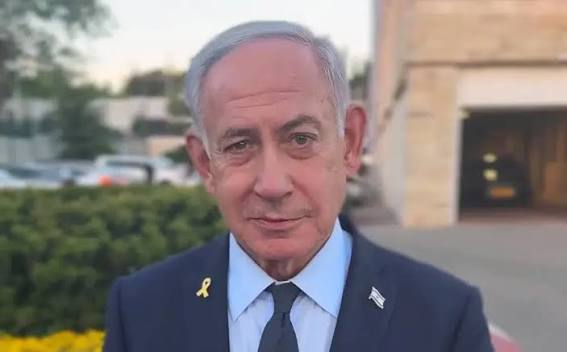
Israel stands at a pivotal moment in its political history as a tightly contested legislative election has upended the balance of power in the Knesset. The unexpected collapse of Prime Minister Benjamin Netanyahu’s governing coalition has exposed long-simmering fractures within the country’s political system, pushing the nation to the brink of institutional paralysis.
Inside the numbers: why Netanyahu’s bloc fell short
The final vote tally confirmed what months of polling had only hinted at: the outgoing Likud-led alliance lost its once-stable majority in the Knesset. This outcome was not merely a narrow defeat—it signaled a deeper shift in voter sentiment that had been building beneath the surface of Israeli politics for years.
Key factors behind the coalition’s collapse include:
- Fragmentation of the right-wing base: Disagreements over judicial reforms and settlement policies fractured the unity of Netanyahu’s traditional support bloc, with several ultranationalist and religious parties losing ground to more flexible or centrist alternatives.
- Rise of the opposition coalition: A united front of centrist, left-leaning, and moderate right-wing parties—united primarily by opposition to Netanyahu’s leadership—capitalized on widespread dissatisfaction with corruption allegations and governance failures to secure a surprising surge in seats.
- Arab voter mobilization: Historically low turnout among Arab-Israeli citizens surged in this election, delivering a decisive bloc of seats to the Joint List alliance. This shift denied Netanyahu’s bloc the margin needed to regain control, even in narrow races.
The legitimacy crisis: Netanyahu’s accusations and the opposition’s response
Within hours of the election results being certified, Netanyahu launched a full-throated attack on the electoral process, alleging systemic irregularities—particularly in Arab-majority municipalities—without providing concrete evidence. His rhetoric framed the outcome not as a democratic verdict, but as a deliberate subversion of the will of the people.
In a rare show of unity, leaders across the opposition spectrum condemned Netanyahu’s claims as an attempt to undermine public trust in Israel’s democratic institutions. Statements from figures such as Gadi Eisenkot and Yair Lapid accused the outgoing prime minister of trying to obstruct the transition of power and fuel civil unrest, warning that his rhetoric risked delegitimizing the entire electoral system.
From crisis to paralysis: the road ahead for Israel’s government
With neither bloc holding the 61-seat majority required to form a government, Israel now faces a constitutional vacuum. The Central Elections Commission, after reviewing all claims of irregularities, reaffirmed the integrity of the vote—but the political fallout is undeniable.
Two paths lie before the nation:
- Coalition bargaining: Political leaders will enter protracted negotiations to piece together a fragile governing alliance. Success would require unprecedented compromise, especially between factions that have spent years in opposition to one another.
- New elections: If no coalition can be formed within the constitutionally mandated timeframe, Israel could face a return to the polls—its fifth election in four years. Such a outcome would deepen public fatigue, erode investor confidence, and further strain an already tense social fabric.
The breakdown of Netanyahu’s majority is not just a political moment—it is a systemic rupture. It reveals how decades of polarization, legal turbulence, and shifting demographics have eroded the stability of Israel’s parliamentary model. Whether this moment leads to renewal or further decline depends on the ability of leaders to rise above personal ambition and prioritize the national interest.
The hidden forces reshaping Israel’s political landscape
Beyond the immediate power struggle, this election exposed deeper currents shaping Israel’s future. The rise of Arab political representation signals a turning point in national discourse, forcing mainstream parties to address long-ignored issues of equality and governance in mixed cities. Meanwhile, the internal fragmentation of the right reflects a generational divide—between those clinging to traditional strongman leadership and a younger cohort seeking reform and accountability.
These tensions are not new, but they have now reached a breaking point. The loss of a parliamentary majority for Netanyahu is not an accident—it is the culmination of years of unresolved conflict, unaddressed scandals, and a growing demand for change among the Israeli public.
As the dust settles, one question hangs over the nation: Can Israel’s fractured political class heal itself—or will it drag the country deeper into uncertainty?