
Three years have passed since Niger entered a period of deepening political, economic, and security turmoil under the rule of a military junta that seized power in July 2023. What was initially framed as a historic turning point—aimed at restoring national sovereignty, securing the nation, reviving the economy, and strengthening unity—has yet to materialize. Instead, the Nigerien people continue to grapple with worsening hardships as the junta’s promises remain largely unfulfilled.
Despite the regime’s emphasis on regained sovereignty and its deliberate distancing from Western partners, the reality on the ground tells a different story. Diplomatic isolation, regional tensions, and economic fragility have deepened uncertainties across the country, compounding the challenges confronting its citizens.
Under strain: Niger’s economy and daily life
The economic fallout from this period has left few sectors unscathed. Trade disruptions with neighboring nations, supply chain breakdowns, early sanctions, and a sharp decline in foreign investment have crippled economic activity. Factories have scaled back operations or shut down entirely, while job opportunities have dwindled. The ripple effects are visible in local markets, where the cost of essential goods—food, fuel, and basic household items—has surged. For many households, the erosion of purchasing power has made survival increasingly difficult.
Local governments, small businesses, and farmers face mounting obstacles, including limited access to financing and restrictive credit conditions. The resulting economic climate, rife with uncertainty, has stifled private initiatives and discouraged much-needed investment.
Eroding freedoms and shrinking civic space
Beyond the hardships of daily life, human rights organizations have raised alarms over the narrowing space for public expression. Civil society groups operate under intense scrutiny, with critics of the regime risking legal repercussions or arbitrary detention. Independent journalists describe an increasingly hostile environment, citing intimidation and systemic restrictions on their work.
Public demonstrations are heavily policed, and political gatherings are tightly controlled, leaving opposition voices and civic organizations with little room to maneuver. This climate of repression has driven some citizens into silence, while others have chosen exile in search of safety.
Security challenges persist despite military reforms
The junta’s ascent to power was justified primarily by the need to combat terrorism. Yet, despite reorganizing the military and forging new security partnerships, armed group attacks continue to plague several regions. Border communities bear the brunt of this violence, facing forced displacements, disrupted access to basic services, and persistent insecurity.
The ongoing threats have cast doubt on the effectiveness of the regime’s security strategy, leaving rural populations in a state of perpetual vulnerability. Agricultural output, education, and local economies suffer as a result, deepening the cycle of instability.
A leadership out of touch with reality
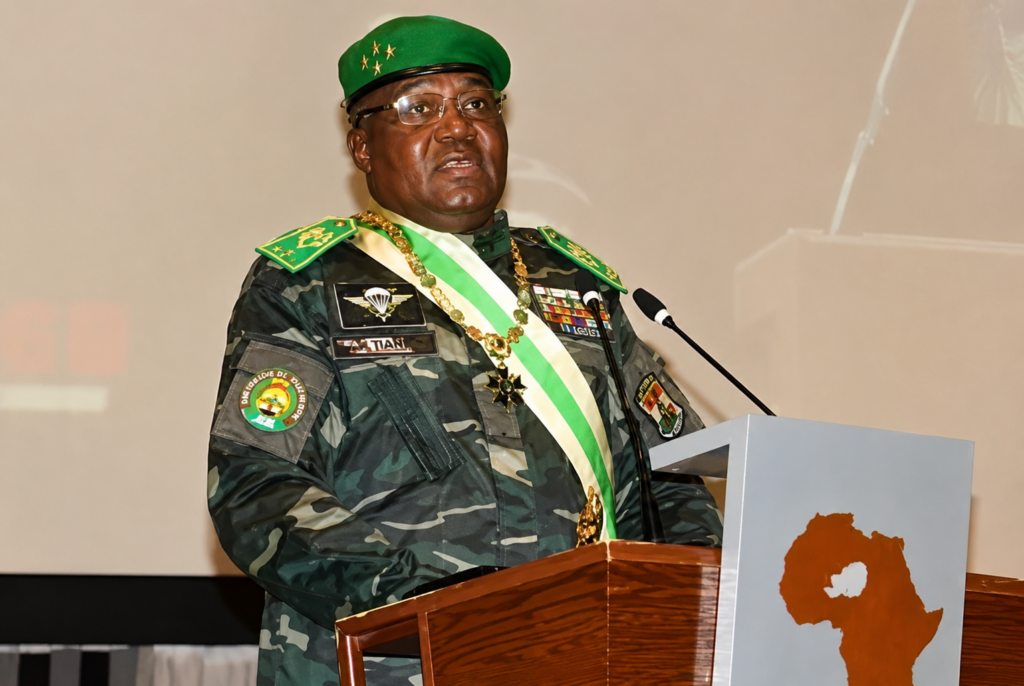
The recent televised address by General Abdourahamane Tiani underscored the widening gap between official rhetoric and public expectations. Rather than unveiling concrete measures to address the country’s pressing economic or security crises, the junta leader focused on external threats, deflecting attention from domestic failures.
Analysts argue that this approach reflects the regime’s struggle to deliver on its founding promises. As frustrations grow, more citizens are shifting their focus from assigning blame to demanding tangible solutions.
Political stagnation and the cost of prolonged military rule
The junta’s prolonged grip on power has coincided with a tightening stranglehold on political life. Without a clear roadmap for returning to civilian governance, Niger’s institutional future remains shrouded in ambiguity. Political parties operate under severe constraints, and public discourse is increasingly constrained, further limiting democratic engagement.
This consolidation of military authority has fueled concerns about the erosion of democratic checks and balances, as well as the long-term exclusion of citizens from shaping their nation’s future.Three years on: a balance sheet of unmet expectations
Three years after the coup, the transition’s lofty ambitions have collided with harsh realities. The economy remains fragile, living costs continue to climb, civic freedoms are under siege, and insecurity festers in multiple regions. For many Nigeriens, the pressing issue is no longer political rhetoric but the urgent need for stability, security, and economic opportunities that can restore hope for a better future.
Amid this backdrop, calls for accountability, dialogue, and decisive action to address citizens’ concerns are growing louder, signaling a population that refuses to accept the status quo.
You may also like
-
Chad withdraws from the international criminal court amid sovereignty debates
-
Mali’s contrasting security picture: Bamako’s relief meets central’s turmoil
-
Gazoduc Nigeria-Maroc : Rabat sollicite la Banque mondiale et l’US Exim Bank pour mobiliser 26 milliards de dollars
-
Tchad se retire de la Cour pénale internationale
-
Chad withdraws from international criminal court amid tensions