Civilians targeted in coordinated attacks in central Mali
In a disturbing escalation of violence in Mali’s conflict-ridden Ségou region, government security forces and allied militias stand accused of executing at least 31 civilians and burning homes during two separate raids in early October. The attacks, which unfolded on October 2 and October 13, targeted villages under the control of the Group for the Support of Islam and Muslims (GSIM), an Al-Qaeda-affiliated extremist coalition operating in the Sahel.
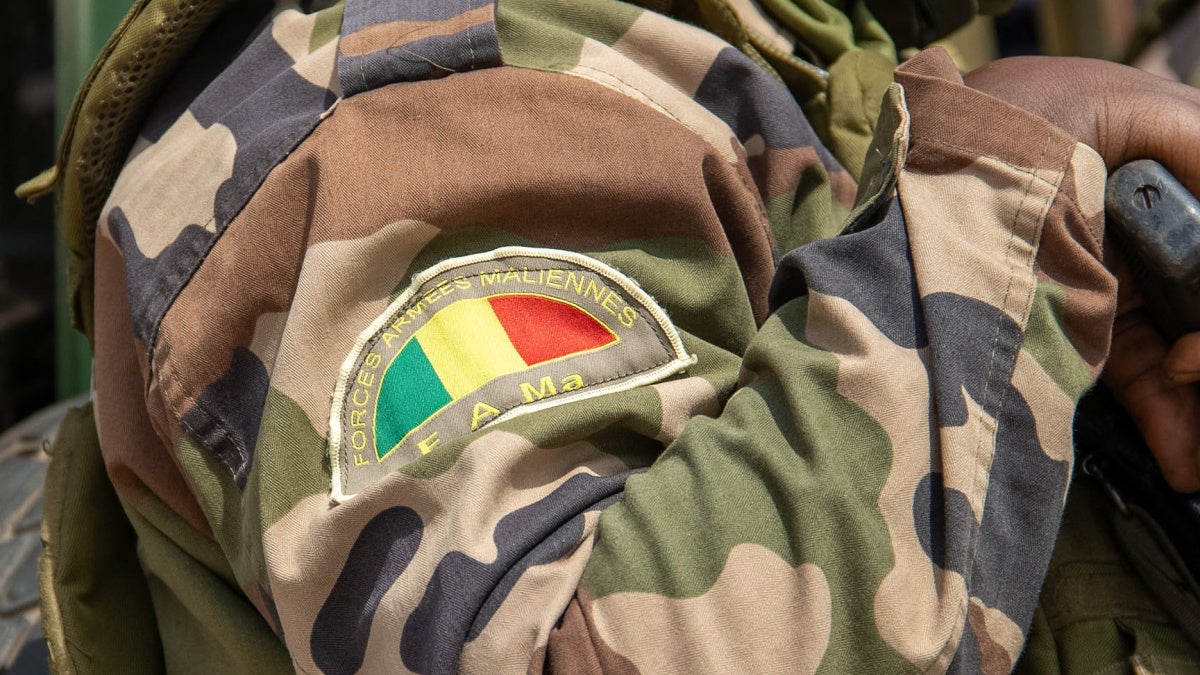
On the morning of October 2, soldiers in camouflage uniforms accompanied by dozo militiamen stormed the village of Kamona. Witnesses reported that the attackers arrived in seven pickup trucks, three armored vehicles, and multiple motorcycles, systematically searching for men. Many residents fled after receiving advance warnings about the approaching forces. Those who remained were rounded up and executed, according to survivors.
« Those who couldn’t escape were gathered and shot,» a local survivor recounted. The attackers then set fire to at least 10 homes and three storage buildings belonging to Fulani herders. By late afternoon, 17 bodies were discovered beneath a large tree, with four additional victims found north of the village. Autopsies revealed gunshot wounds to the head and torso, and shell casings littered the scene.
Residents provided a list of 21 male victims aged 20 to 65, though locals believe the death toll may be higher. « We heard that at least 15 other men were killed in the bush that day, » one villager stated. « But we didn’t go to check because we feared the army would return. »
Second massacre follows weeks later
On October 13, a similar operation unfolded in the village of Balle, roughly 55 kilometers from Kamona. Soldiers in five pickup trucks and dozo militiamen on at least 30 motorcycles descended on the settlement, prompting some residents to flee immediately. Others were subjected to beatings before being executed. A 24-year-old man, who hid during the attack, described hearing gunfire as soldiers went door-to-door.
Ten civilians were killed in Balle, including a 55-year-old woman. The victims included nine men aged 22 to 67, whose bodies were found strewn near the village center. Some showed signs of severe trauma, with broken limbs and multiple gunshot wounds. The attackers also looted over 100 cattle, a critical loss for the community.
A 33-year-old man who found the bodies recounted, « They were lying side by side, riddled with bullets. Some had broken arms and legs. » The slain woman’s 21-year-old daughter revealed that her mother had confronted the soldiers, accusing them of mistreating villagers before being shot execution-style.
Context and accountability
Both villages had been under GSIM control for years, with residents paying Islamic taxes (zakat) and relying on the group to resolve disputes. « There are no soldiers, police, or gendarmes here, » a local explained. « The army doesn’t distinguish between us and them. They assume we’re all GSIM fighters. »
The Malian junta’s military spokesperson claimed the October 13 operation was an « offensive reconnaissance » mission that « neutralized around twenty terrorists » and seized weapons. However, witnesses and community leaders disputed this account, emphasizing that no clashes occurred during the raids.
The incidents follow a surge in GSIM attacks across the Ségou region, including a high-profile assault on the Siribala sugar factory in August. These operations have disrupted supply chains to Bamako, forcing the junta to shutter schools and universities temporarily in the capital.
International humanitarian law prohibits attacks on civilians, executions, and cruel treatment. Violations could constitute war crimes, with potential prosecutions under Mali’s obligations as a former member of the International Criminal Court (ICC). The Court retains jurisdiction over crimes committed before Mali’s withdrawal in 2023, with ongoing investigations into atrocities dating back to 2012.
As the conflict intensifies, regional bodies like the African Union (AU) have yet to take meaningful action beyond issuing statements of concern. Analysts argue that stronger diplomatic coordination and accountability measures are urgently needed to address the spiraling violence.