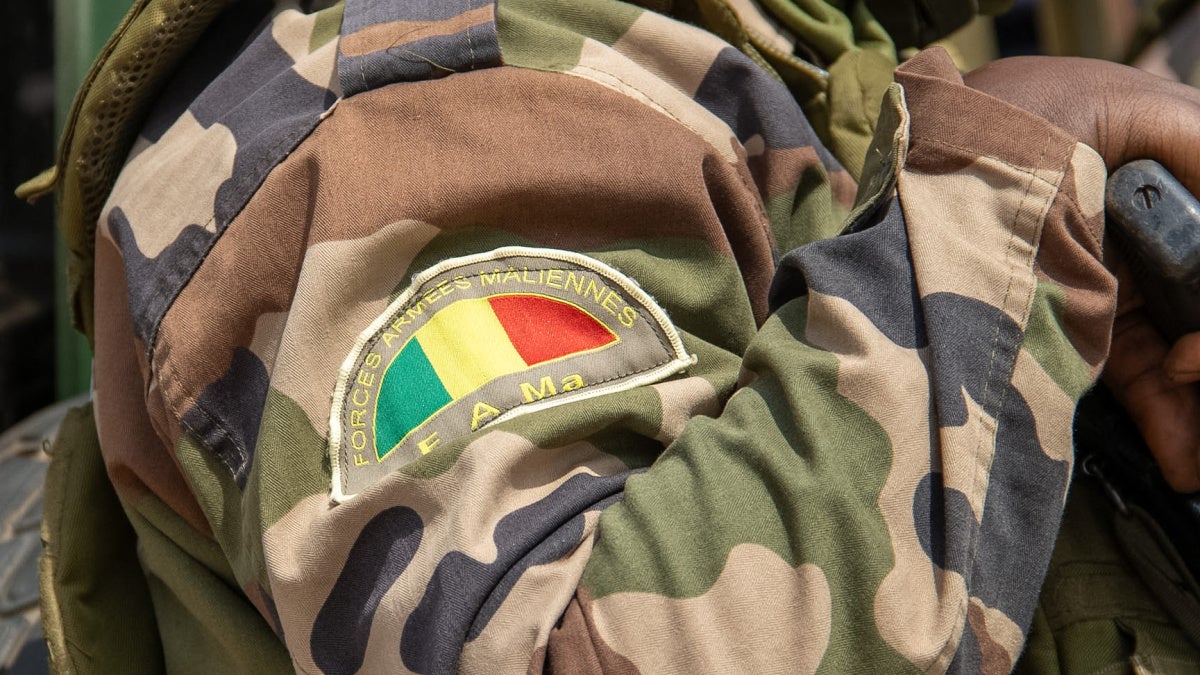
In the heart of Mali’s conflict-ridden Ségou region, a chilling wave of violence has left at least 31 civilians dead and entire villages in ashes. According to testimonies gathered from survivors and local leaders, Malian army troops operating alongside traditional dozos militias stormed two villages on October 2 and 13, executing men and torching homes under accusations of collaboration with armed groups.
a brutal campaign of reprisals
On the morning of October 2, soldiers in camouflage uniforms, accompanied by dozos—traditional hunters recognizable by their amulets and robes—arrived in Kamona in at least seven pickup trucks and three armored vehicles. Witnesses report that jihadist fighters from the Group for the Support of Islam and Muslims (GSIM) had warned villagers of the impending attack, prompting many to flee. Those who remained were rounded up and shot. At least 21 men, aged 20 to 65, were killed, and 10 homes were set ablaze. Survivors described finding 17 bodies beneath a tree, their bodies riddled with bullets, including one with a shattered skull. Four more bodies were discovered north of the village.
« Those who couldn’t escape were gathered and executed, » recounted a survivor who hid with his 9-year-old daughter in an abandoned house. « When the attackers left around 4 p.m., I found the bodies. The bullets had torn through them. » A 39-year-old man who helped bury the dead confirmed the brutality: « We dug a mass grave under the tree and placed the 17 men there. Four more bodies were found farther north—each shot in the abdomen and head. We buried them in another grave and covered them with sand. »
Locals provided a list of the 21 victims, all men. However, some villagers claimed the death toll could be higher, with reports of at least 15 additional men killed in the surrounding bush that day, though no one dared to verify due to fear of further attacks.
a second massacre shakes the region
Thirteen days later, on October 13, the same pattern of violence unfolded in Balle, about 55 kilometers away. Soldiers in five pickup trucks and dozos on at least 30 motorcycles descended on the village, forcing many residents to flee. « I didn’t run immediately, but when I saw soldiers going door-to-door, slapping and kicking men, I fled, » said a 24-year-old man. « From my hiding place, I heard gunshots. »
By the time the attackers left, 10 civilians lay dead—nine men aged 22 to 67 and a 55-year-old woman. The assailants also looted at least 100 cattle. A 33-year-old man discovered the bodies in the village center: « They were piled together, riddled with bullets. Some had broken limbs. » The victim’s 21-year-old daughter recalled her mother’s final moments: « She confronted the soldiers, accusing them of abusing the villagers. They took her to where the men were gathered and shot her. »
a cycle of violence and impunity
The attacks occurred amid escalating tensions between Malian forces and the GSIM, which has intensified operations in the Ségou region, including a high-profile assault on the Siribala sugar factory in August. Villagers in Balle described living under GSIM control for years, paying Islamic taxes and relying on the group to resolve disputes, as no state security forces were present. « We’ve paid zakat for years, » said one resident. « The jihadists handle local issues. There are no soldiers, gendarmes, or police here. The army doesn’t distinguish between them and us. They assume we’re all GSIM fighters. »
Since 2012, Mali’s conflicts have claimed thousands of civilian lives and displaced over 400,000 people. Human rights organizations have documented widespread abuses by both state forces and armed groups, including summary executions, torture, and indiscriminate violence. The military junta has denied targeting civilians, claiming its October 13 operation in Balle was an « offensive reconnaissance » that « neutralized around 20 terrorists » and seized military equipment. However, witnesses and residents refute this narrative, insisting the village had been under GSIM control for years.
international law and the failure of accountability
Mali’s withdrawal from the International Criminal Court (ICC) in September 2025 does not absolve it of its obligations under international humanitarian law. The country remains bound by the Rome Statute until September 2026, and the ICC has been investigating alleged war crimes in Mali since 2013. Yet, accountability remains elusive. The African Union (AU) has largely failed to address the crisis, with its Peace and Security Council issuing only statements of concern despite the escalating violence.
« The AU must prioritize Mali’s conflict, » urged a senior researcher. « It should hold regular briefings, strengthen diplomatic efforts, and coordinate regional and international actions to ensure accountability for abuses by all parties. »