Ségou: Another dark chapter in Mali’s spiraling violence
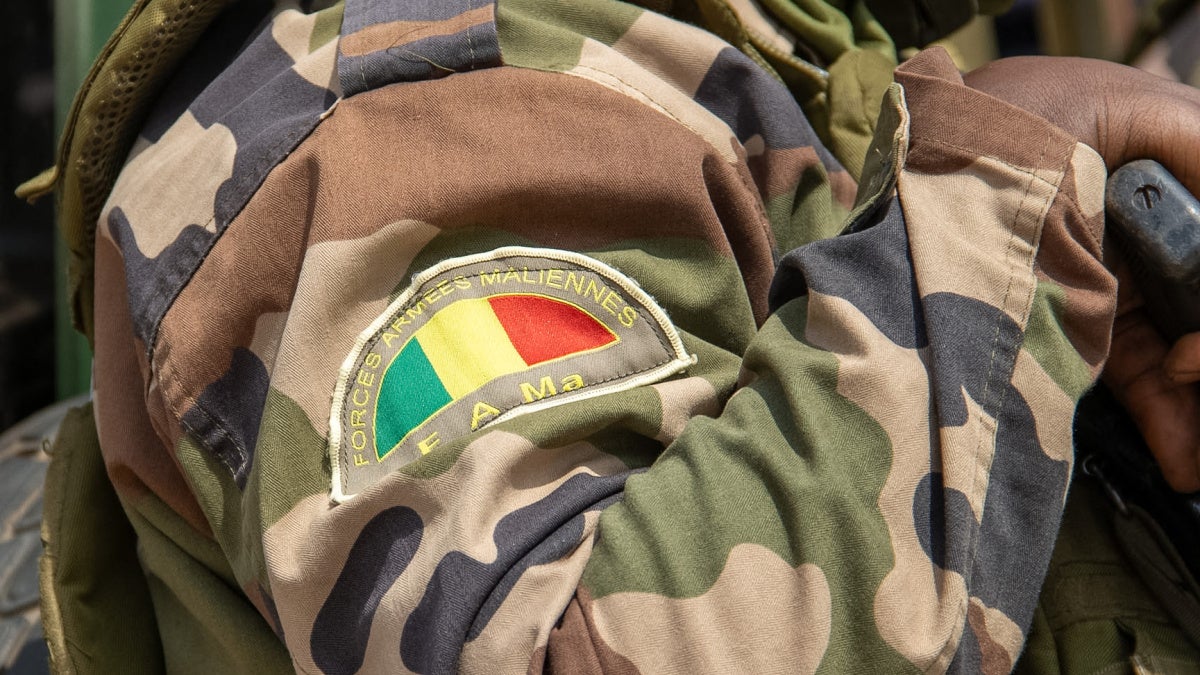
At least 31 civilians were killed and dozens of homes torched in two villages in Mali’s central Ségou region on October 2 and 13, according to local testimonies and community leaders. Survivors and witnesses identify the assailants as Malian soldiers, supported by traditional dozos militiamen—self-proclaimed hunters from the Bambara ethnic group who have participated in counterinsurgency operations for over a decade.
The first attack struck Kamona on October 2. Armed men in camouflage fatigues, accompanied by dozos on motorcycles, stormed the village around 10 a.m. Witnesses say Jama’at Nusrat al-Islam wal Muslimeen (JNIM) fighters—an Al-Qaeda affiliate controlling parts of central Mali—warned residents of the approaching military force, prompting many to flee. Those who remained were rounded up and executed. Ten homes were set ablaze, and 17 bodies were later found beneath a large tree. Four more victims were discovered north of the village. A 40-year-old shepherd, who hid with his 9-year-old daughter, described the scene: “The bodies were riddled with bullets. One man’s head was completely crushed. Spent cartridges littered the ground.”
Local leaders provided a list of 21 male victims aged 20 to 65. “We heard at least 15 other men were killed in the bush that day,” a villager admitted, “but we dared not verify—fearing the army would return.”
On October 13, the violence spread to Balle, 55 kilometers away. Soldiers in five pickup trucks and dozos on 30 motorcycles descended on the village just after 1 p.m. Some residents fled immediately; others were beaten or kicked from door to door. Gunshots followed. In total, ten civilians—nine men aged 22 to 67 and a 55-year-old woman—were killed. At least 100 cattle were stolen. A 33-year-old man recounted finding the bodies in the village center: “They lay side by side, riddled with bullets. Some had broken limbs.” The victim’s daughter, aged 21, tearfully recalled her mother confronting the soldiers before being shot: “She shouted at them, accusing them of abusing us. They dragged her to where the men were gathered and executed her.”
Locals have lived under JNIM control for years. “We pay zakat every year,” one resident explained. “Disputes are settled by the jihadists. There are no soldiers, gendarmes, or police here. The army makes no distinction between us and them.”
The Malian military justified its October 13 operation as an “offensive reconnaissance” that “neutralized around twenty terrorists” and seized military equipment. Yet witnesses insist no clashes occurred; JNIM fighters had already withdrawn before soldiers arrived.
These atrocities follow a surge in JNIM attacks across Ségou, including a brazen assault on the Siribala sugar refinery in August. The escalation has choked Bamako’s fuel supply since early September, prompting the military junta to shutter all schools and universities nationwide.
Under international humanitarian law, all parties to Mali’s conflict—including government forces and allied militias—are prohibited from targeting civilians, committing summary executions, or subjecting detainees to cruel treatment. Violations with criminal intent may constitute war crimes. Although Mali withdrew from the International Criminal Court in September, it remains bound by the Rome Statute until September 2026. The ICC opened an investigation into alleged war crimes in Mali in 2013.
Human rights observers urge Malian authorities to conduct impartial investigations and hold perpetrators accountable. “The October massacres in Ségou are the latest in a long line of atrocities attributed to the Malian army and its allied militias,” stated a senior Sahel researcher. “Credible probes and fair trials are essential to break this cycle of impunity.”
Despite Mali’s deteriorating security landscape, regional bodies like the African Union have yet to take decisive action beyond issuing statements of concern. Analysts stress the urgent need for robust diplomatic efforts, coordinated regional responses, and sustained pressure to ensure accountability across all conflict parties.