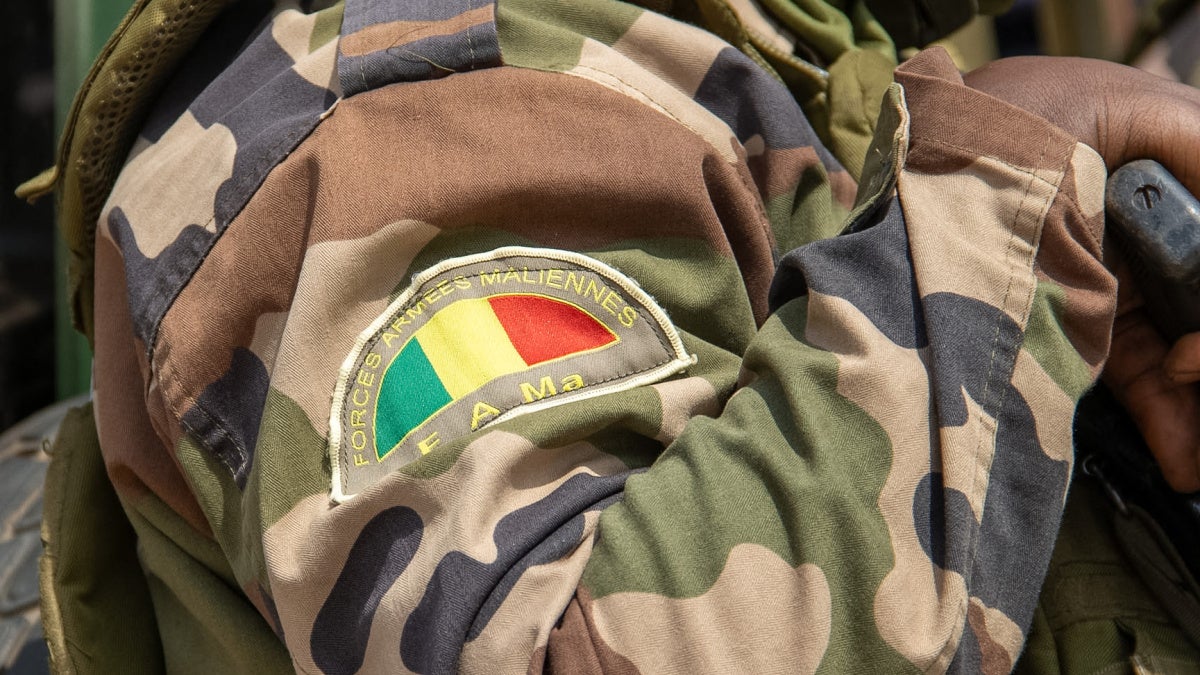
Soldiers from the Malian Armed Forces and allied militias have been implicated in the deaths of at least 31 civilians during raids carried out on October 2 and 13 in two villages located in the conflict-stricken region of Ségou, according to field investigations.
On October 2, military personnel and dozos—traditional hunters predominantly from the Bambara ethnic group who have supported counterinsurgency efforts for over a decade—entered the village of Kamona. Witnesses reported that the attackers, arriving in at least seven pickup trucks and three armored vehicles alongside dozens of motorcycles, accused local men of collaborating with the Group for the Support of Islam and Muslims (GSIM), an Al-Qaeda-affiliated faction active in the area. The raid left at least 21 men dead, while homes were set ablaze, destroying ten structures. Survivors described how those unable to flee were rounded up and executed on the spot.
« The October killings in Ségou are the latest in a series of atrocities linked to Malian forces and their allied militias, » stated a human rights investigator who conducted interviews with affected communities. « Authorities must urgently launch a transparent investigation and hold those responsible accountable through fair judicial proceedings. »
Witnesses in Kamona confirmed that the GSIM had warned villagers of the impending attack, prompting many to flee before the soldiers arrived. No clashes between armed groups were reported during the operation. By evening, 17 bodies were discovered beneath a tree, with four additional victims found north of the village. Survivors recounted horrific details, including a 40-year-old herder who hid in an abandoned home with his nine-year-old daughter. Upon returning, he found the bodies « riddled with bullets, » including one with a « shattered skull. »
Local elders provided a list of the 21 male victims, aged 20 to 65, though residents believe the toll can exceed 30. « We heard that at least 15 more men were killed in the bush that day, but we didn’t check—we were too afraid the army would return, » said a community leader.
On October 13, a similar operation unfolded in the village of Balle, located roughly 55 kilometers from Kamona. Military patrols in five pickup trucks accompanied by at least 30 dozos on motorcycles descended on the settlement. Survivors described soldiers conducting door-to-door searches, assaulting men, and executing ten civilians—including a 55-year-old woman—while stealing over 100 cattle. A 33-year-old resident recounted finding the bodies « lying side by side, their limbs broken and bodies perforated with bullets. »
« My mother confronted the soldiers, shouting at them for their brutality, » said the daughter of the slain woman. « They dragged her to where the men were gathered and shot her. »
Military officials later claimed the October 13 operation was an « offensive reconnaissance » mission that « neutralized around twenty terrorists » and seized military equipment. However, residents insisted Balle has been under GSIM control for years, with locals paying Islamic taxes and resolving disputes through the group’s courts. « There are no soldiers, police, or gendarmes here, » explained a villager. « The army assumes we’re all GSIM fighters. They make no distinction between civilians and militants. »
Since 2012, Mali has grappled with overlapping insurgencies, forcing over 400,000 people from their homes and claiming thousands of civilian lives. Both state forces and armed groups have been accused of war crimes, including indiscriminate attacks on non-combatants, executions, and destruction of property. International humanitarian law, including Common Article 3 of the Geneva Conventions, prohibits such abuses, yet accountability remains elusive.
The recent escalation follows a GSIM-imposed siege on Bamako beginning in early September, which severed fuel supplies to the capital and forced the military junta to suspend all schools and universities. Under the Rome Statute, Mali remains subject to International Criminal Court jurisdiction until September 2026, despite its withdrawal announcement. The court has investigated alleged war crimes in Mali since 2013.
Meanwhile, the African Union’s Peace and Security Council has faced criticism for its limited response to the crisis. Human rights advocates urge regional bodies to prioritize Mali, demanding urgent diplomatic action, regular briefings, and coordinated international efforts to ensure perpetrators face justice.