Civilian massacres in Mali’s Ségou region linked to counterinsurgency operations
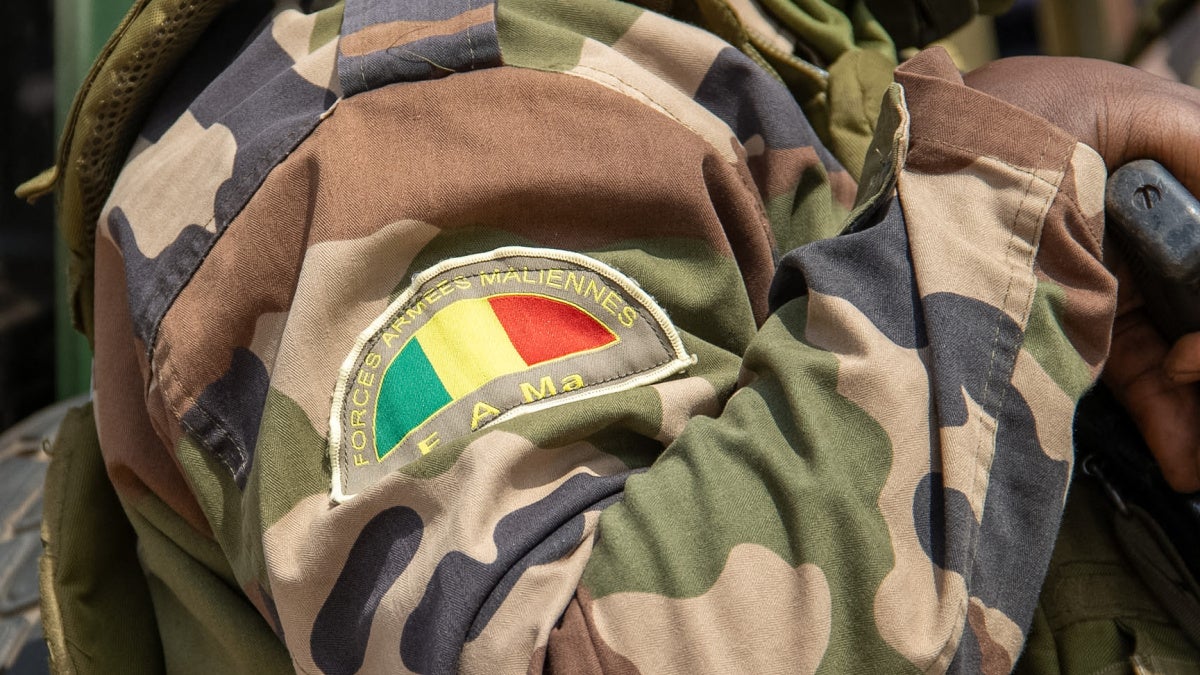
The Malian Armed Forces (FAMA) and allied militias have been implicated in the deaths of at least 31 civilians during coordinated attacks in the Ségou region on October 2 and 13, according to field investigations. The incidents occurred in villages under the control of the Group for the Support of Islam and Muslims (JNIM), an Al-Qaeda-affiliated militant group, where soldiers and traditional hunters (Dozos) allegedly carried out extrajudicial killings under accusations of collaboration with insurgents.
October 2 attack on Kamona village
On October 2, military forces accompanied by Dozo militiamen descended on Kamona village in armed pick-ups and armored vehicles, targeting male residents. Survivors reported that while many villagers fled upon hearing of the approaching troops, those who remained were systematically executed. At least 21 men perished, and more than 10 homes were set ablaze. The attackers, identified by their camouflage uniforms and traditional amulets, left behind a trail of destruction in a community already living under insurgent dominance.
- 17 bodies were later discovered under a large tree in the village center.
- Four additional victims were found north of Kamona, their bodies bearing gunshot wounds to the head and torso.
- Witnesses compiled a list of 21 male victims aged 20 to 65, with reports suggesting up to 15 additional fatalities in nearby bushland.
A 40-year-old shepherd recounted discovering the massacre after hiding with his 9-year-old daughter: “They were riddled with bullets. One man’s skull was completely shattered. Spent cartridges littered the ground.” Survivors described digging two mass graves to inter the deceased.
October 13 violence in Balle village
Thirteen days later, a similar pattern unfolded in Balle, where military patrols and Dozo riders stormed the settlement, triggering panic among residents. A 24-year-old man described soldiers conducting door-to-door searches, assaulting men before opening fire: “I fled when I saw them beating villagers. From my hiding place, I heard the gunshots.” The assault claimed 10 lives, including a 55-year-old woman, and resulted in the theft of over 100 cattle. Bodies were found strewn in the village center, some with broken limbs.
The victim’s daughter provided a harrowing account: “My mother confronted the soldiers, accusing them of brutality. They dragged her to where the men were held and shot her.“
Context and accountability amid ongoing conflict
These attacks occurred as the JNIM intensified pressure on Bamako, cutting off fuel supplies and prompting the military junta to suspend education nationwide. Residents in Balle reported paying Islamic taxes to JNIM and relying on the group for dispute resolution, as government forces have been absent for years. “The army doesn’t distinguish between us and them,” one villager stated. “They assume everyone here is a jihadist.”
The Malian government claimed the October 13 operation in Balle neutralized “around twenty terrorists” and seized weapons, though no evidence of armed clashes was found. Human rights monitors emphasize that international humanitarian law prohibits attacks on civilians and mandates impartial investigations into such atrocities.
Despite Mali’s withdrawal from the International Criminal Court (ICC), the country remains bound by the Rome Statute until September 2026. The ICC opened a preliminary examination into alleged war crimes in 2013. Meanwhile, regional bodies like the African Union have issued statements expressing concern but failed to take concrete action to address the escalating violence.
“The AU Peace and Security Council must elevate Mali’s crisis to the top of its agenda,” said a senior researcher. “Regular briefings, strengthened diplomacy, and coordinated regional efforts are urgently needed to hold all perpetrators accountable.“
All parties to the conflict are obligated to uphold the Geneva Conventions and customary laws of war, which ban targeting civilians, extrajudicial killings, and torture. Those responsible for war crimes may face prosecution under international law.