Alleged atrocities by Malian forces and allied militias in Ségou region
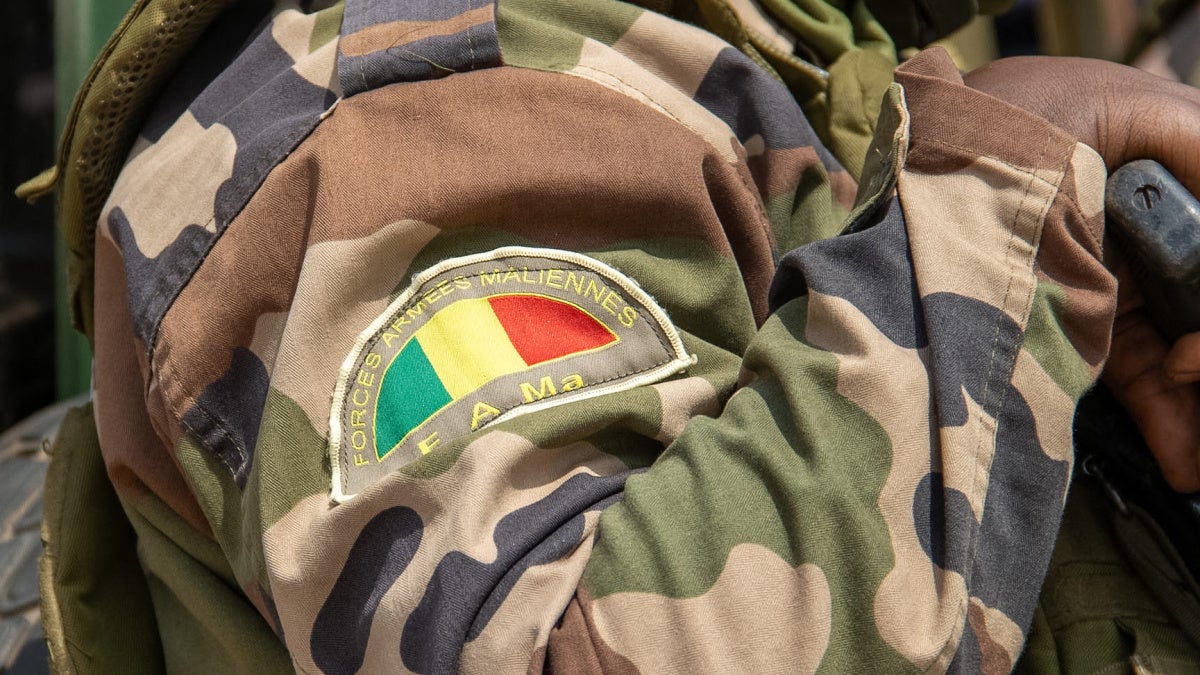
In a series of violent raids in early October, Malian army soldiers and allied militias are accused of killing at least 31 civilians and setting fire to homes in two villages in the central region of Ségou. The incidents occurred on October 2 and October 13, according to field reports from local residents and community leaders.
The first attack targeted Kamona village on October 2, where soldiers and Dozo militiamen—traditionally hunter groups from the Bambara ethnic community—allegedly executed at least 21 men and burned down 10 homes. Witnesses reported that the soldiers arrived in seven pickup trucks and three armored vehicles, accompanied by Dozo fighters on motorcycles. Many residents fled after receiving warnings from local armed groups, but those who remained were rounded up and killed.
A survivor recounted, “Those who couldn’t escape were gathered and shot.” Survivors also reported finding 17 bodies beneath a tree and four others north of the village, all men aged 20 to 65. The attackers allegedly destroyed homes belonging to Fulani ethnic community members, accusing them of collaborating with armed groups.
On October 13, a second wave of violence struck Balle village, 55 kilometers from Kamona. According to local accounts, soldiers and Dozo militiamen killed nine men and one woman, while also looting over 100 cattle. A 33-year-old resident described the scene: “The bodies were scattered in the village, riddled with bullets. Some had broken limbs.” A 21-year-old woman, whose 55-year-old mother was killed, stated that her mother confronted the soldiers before being shot.
Military officials claimed the October 13 operation was a “counterterrorism offensive” that resulted in the “neutralization of around twenty terrorists” and the seizure of weapons. However, residents disputed this, asserting that Balle has been under the control of armed Islamist groups for years, with no military presence prior to the attack.
Local leaders explained that residents paid Islamic taxes to these groups and settled disputes through their justice system. “The army doesn’t distinguish between us and them,” one villager said. “They assume we’re jihadists just because we live here.”
The escalating violence follows a series of attacks by armed groups on key infrastructure, including an assault on the Siribala sugar factory in August. Since 2012, Mali has been embroiled in a conflict involving Islamist armed factions, resulting in thousands of civilian deaths and displacing over 400,000 people. Both state forces and their allied militias, as well as armed groups, have been implicated in grave abuses.
International humanitarian law prohibits attacks on civilians, summary executions, and the destruction of property. Those responsible for such violations may face prosecution for war crimes. Despite Mali’s withdrawal from the International Criminal Court (ICC) in September, the country remains bound by the Rome Statute until September 2026, with an ongoing ICC investigation into alleged war crimes since 2012.
The African Union’s Peace and Security Council has faced criticism for its limited response to the crisis. Analysts urge stronger diplomatic efforts and coordinated regional actions to hold all parties accountable for their actions.