Ivory Coast’s vision: building big and governing fair
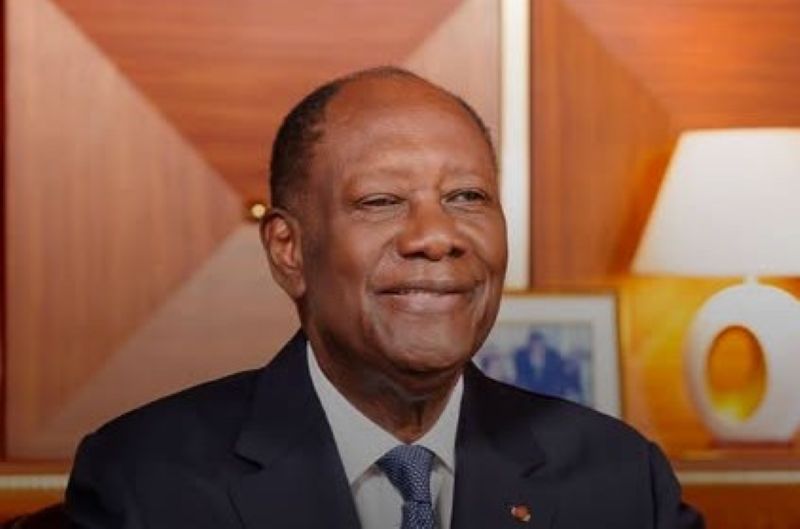
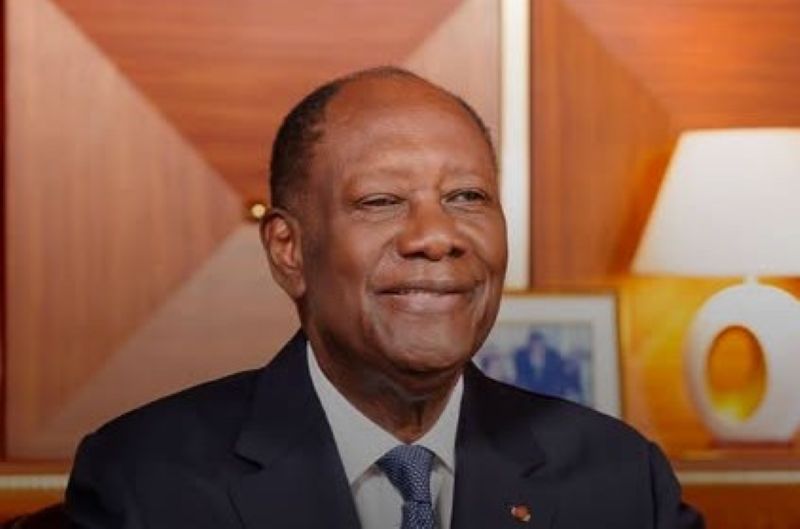
Abidjan, August 7, 2026 — As Ivory Coast marks 66 years of independence, President Alassane Dramane Ouattara outlines a bold new political agenda. His national address goes beyond economic metrics or security promises. Instead, it weaves together two critical priorities: accelerating the country’s transformation while reinforcing the rule of law.
The vision of a « Greater Ivory Coast » raises a fundamental question: How can economic growth and political stability translate into shared prosperity for all citizens?
Expanding ambitions for a stronger nation
President Ouattara is rallying the nation’s institutions, business leaders, political parties, civil society, traditional authorities, religious groups, and diaspora behind the « Greater Ivory Coast » initiative. This isn’t just another government program—it’s a call for a unified national effort that transcends partisan divides.
The timing aligns with Ivory Coast’s solid economic momentum, fueled by major investments in infrastructure, transportation, energy, and port capacity. The upcoming 2026–2030 National Development Plan is designed to propel the country to a new level of progress. Yet success won’t be measured solely by skyscrapers in Abidjan or new highways. True advancement will depend on reducing regional disparities, creating opportunities for young people, and ensuring growth translates into lasting improvements in daily life.
In essence, the « Greater Ivory Coast » must be more than a slogan—it must become a social reality.
Progress with justice at its core
The president’s televised address on Thursday underscored another key dimension: balancing development with lawful governance. While Ivory Coast pushes forward with urban renewal and disaster preparedness—particularly in flood-prone areas—Ouattara drew a clear line against administrative overreach.
Unauthorized operations, such as those reported in Koumassi, are under investigation and will face legal consequences. This stance sends a powerful message: modernization is vital, but it cannot come at the cost of citizens’ rights or due process.
The president’s approach sets a precedent: a modernizing state must remain accountable to its own laws. Development can be swift, but it must never be arbitrary.
The real challenge lies in consistency
Ivory Coast now faces a dual test: proving that a rising economic power can simultaneously build infrastructure, maintain stability, protect its people, and uphold public trust. President Ouattara’s call for national unity will only resonate if every sector of society feels included in the nation’s future. Similarly, the rule of law must apply to all state actions—including those taken in the name of progress.
In setting this vision, the president outlines a path that is both ambitious and grounded: to grow faster, secure the nation more effectively, and modernize the country—without losing sight of the people driving this transformation.
The « Greater Ivory Coast » will be judged not by the scale of its construction projects or its GDP growth, but by its ability to harmonize public power, justice, and inclusion. It’s this consistency, not slogans, that will define whether Ivory Coast’s next chapter truly marks a new era.
You may also like
Will Senegal’s local elections break Bassirou Diomaye Faye’s presidency before it truly begins?
Senegal’s budget: can Ousmane Sonko afford to block Bassirou Diomaye Faye’s 2026 plan?
Senegal electoral reform: Khalidou dit Mbaye Sokoma’s full proportional representation push
Senegal’s local elections: Bassirou Diomaye Faye still won’t set a date
Alain-Georges Moukoko takes over Libreville prosecutor general’s office