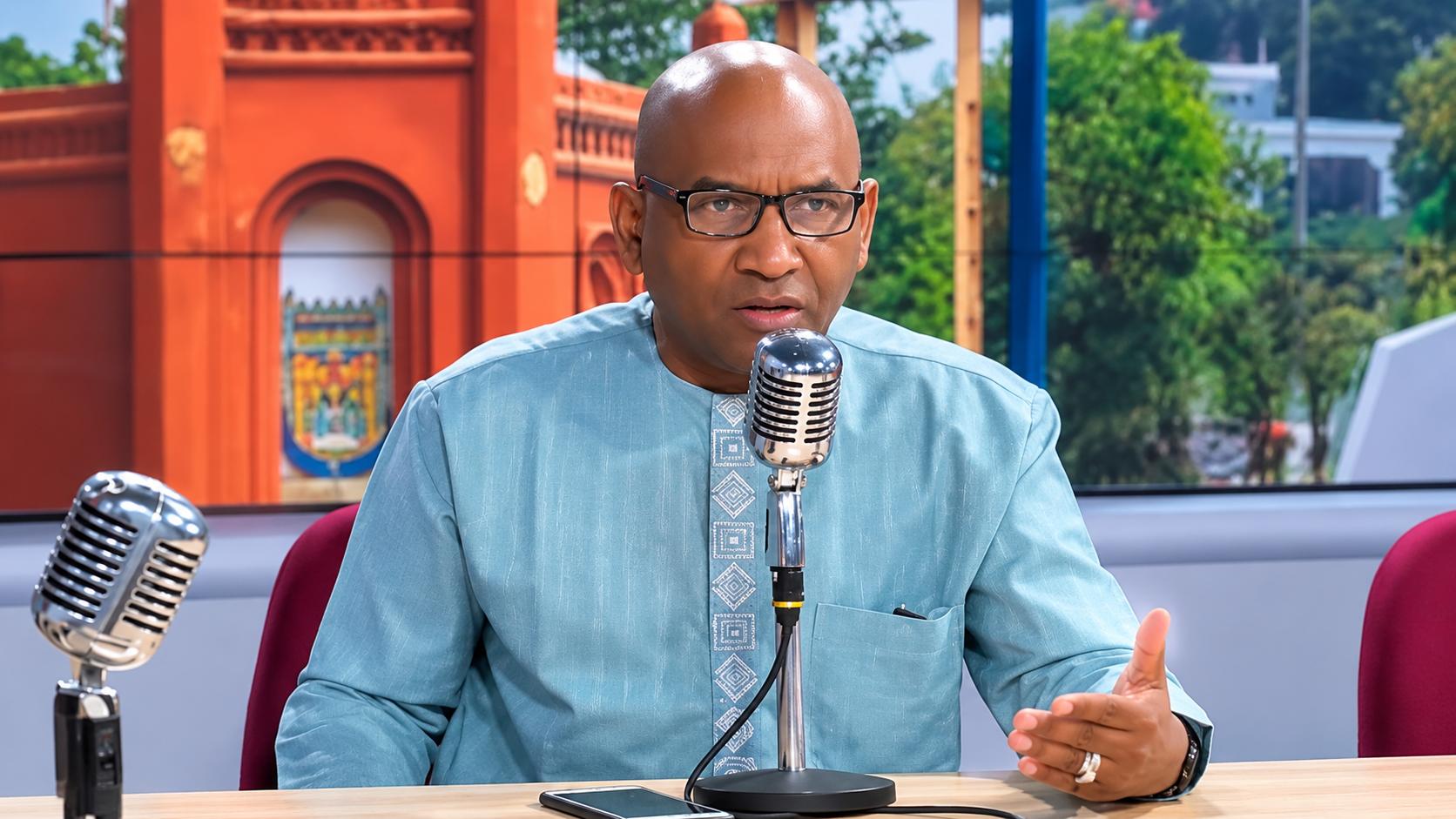
In Bamako, the military authorities are intensifying their crackdown on independent journalism by dragging reporter Abdrahamane Keïta before the specialized cybercrime court. His offense was simply analyzing the security struggles in Kidal and detailing the army’s tactical setbacks. Rather than addressing the public’s concerns about northern instability, the military administration is weaponizing the judicial system to silence critics.
A systematic campaign to suppress dissenting voices
The prosecution of Abdrahamane Keïta is part of a broader, deliberate pattern to eliminate alternative narratives in the region.
- In Mali, prominent figures like radio host Mohamed Youssouf Bathily (Ras Bath) remain behind bars. Academic Étienne Fakaba Sissoko is serving a prison sentence after publishing a critique of state propaganda, and activist Rokia Doumbia was jailed for drawing attention to rising living costs and administrative failures. Meanwhile, figures such as Clément Dembélé have faced arbitrary detentions and forced disappearances.
- In neighboring countries across the West Africa Sahel, similar authoritarian tactics have emerged. In Burkina Faso, journalists and commentators including Serge Oulon, Alain Traoré, and Kalifara Séré have been abducted or forcibly conscripted to the front lines after questioning military strategies. Over in Niger, veteran media figures like Moussa Kaka face persistent judicial harassment and detentions.
Targeting reality to preserve regime authority
This aggressive stance against media personnel reveals a clear strategy: authorities routinely label objective reporting as an “attempt to demoralize the military” or a “threat to national security.” As territorial security continues to deteriorate, the transition administration rejects any form of scrutiny, effectively outlawing investigative journalism.
An atmosphere of fear choking the media landscape
The legal pressure on Abdrahamane Keïta contributes to an environment of intimidation designed to purge the public sphere of any dissenting views. With constant interrogations, targeted arrests, and media suspensions, independent reporters face immense pressure. By prosecuting a journalist for reporting on the ground realities of Kidal, the Bamako administration demonstrates its insecurity and its intent to enforce complete informational control.