A new chapter for regional cooperation
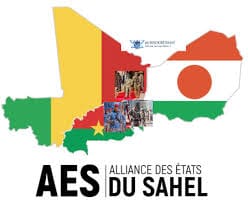
The first session of the Parliament of the Confederation of Sahel States (AES) opened in Niamey today, marking a historic step forward in regional integration. Official proceedings began with the swearing-in of 45 federal deputies hailing from Burkina Faso, Mali, and Niger, the three founding members of the AES.
Leadership and vision for the confederation
The inauguration ceremony took place at the Mahatma Gandhi Conference Center and was led by Ousmane Bougouma, President of Burkina Faso’s Legislative People’s Assembly and the inaugural session’s chair. In his address, Burkina Faso’s transitional leader and current AES president, Ibrahim Traoré, urged delegates to prioritize the collective good of the confederation over narrow national or partisan interests.
The AES Parliament consists of 45 deputies—15 from each member state—representing a balanced and inclusive governance structure. Among the dignitaries present was Niger’s Prime Minister, Ali Mahaman Lamine Zeine, standing in for the country’s president, alongside high-ranking officials from all three parliaments. Observers from Chad and Togo were also in attendance as invited guests.
Agenda and objectives for the week-long session
Running from August 24 to 29, this inaugural session is designed to lay the groundwork for stronger parliamentary cooperation among the AES member states. The talks will focus on building shared policies in critical areas such as defense, security, and economic development, aiming to strengthen self-reliance and regional resilience.
The establishment of the AES Parliament follows the July 2024 creation of the Confederation of Sahel States by Burkina Faso, Mali, and Niger. This move came after their January 2024 announcement to withdraw from the Economic Community of West African States (ECOWAS), signaling a strategic shift toward closer regional alignment.
The AES aims to foster deeper integration, mutual support, and coordinated action to address the security and developmental challenges facing the Sahel. Today’s session represents the first concrete step toward realizing that vision.