The remote goldfields of Miski, nestled in the rugged Tibesti mountains of northern Chad, have once again become the epicenter of a brewing security crisis that threatens to unravel fragile peace agreements. Behind the latest violent confrontation—claiming two lives and injuring nine security personnel—lie deeper historical, economic, and geopolitical forces reshaping the region’s fragile stability.
What sparked the deadly shootout in Miski’s contested goldfields
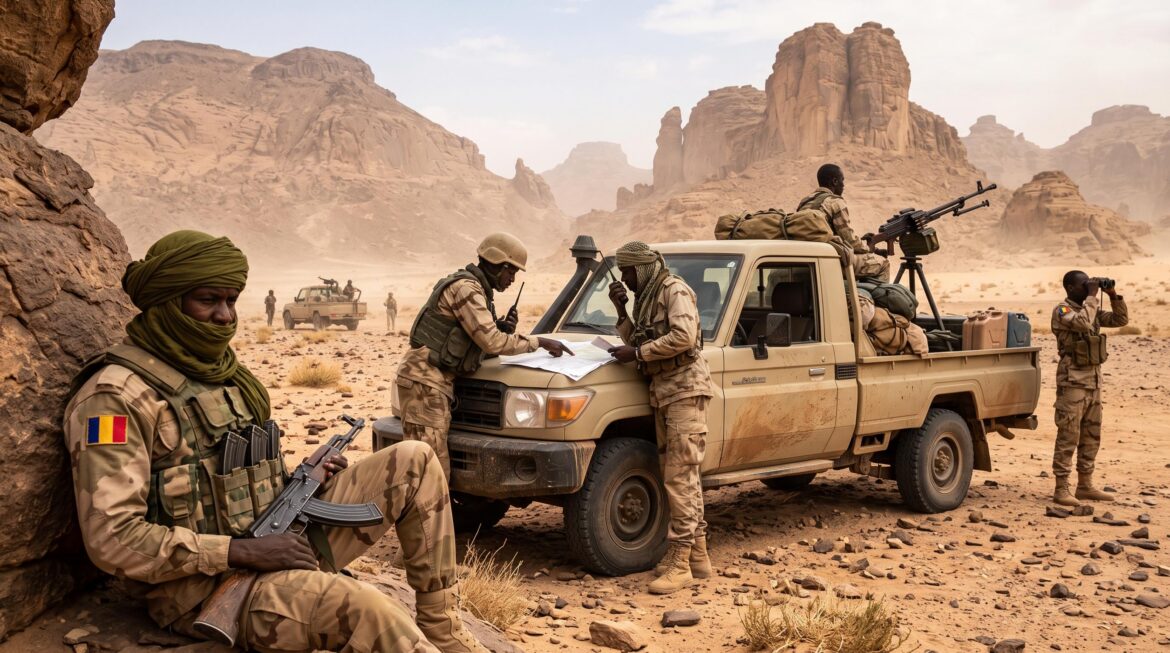
On October 14, 2026, just before dusk, clashes erupted near the Awa mining zone between the Chad Armed Forces’ Mining Brigade and local self-defense groups. Official military statements point to an unprovoked attack by the self-defense committee, labeling it a direct violation of ongoing peace accords. The military has demanded immediate disarmament, warning that failure to comply could be treated as active rebellion. Yet without independent verification, these claims remain one-sided, highlighting a growing trust deficit between local communities and state security institutions.
What’s clearer is the context: this was not an isolated incident. Reports from just 24 hours earlier indicated escalating tensions, with the self-defense committee accusing military forces of heavy weapons fire and unauthorized resource extraction within mining concessions. These allegations suggest a long-simmering dispute over authority and economic control—one that predates the recent violence.
Why Miski’s gold has become a flashpoint in the Tibesti
The Tibesti region, home to some of Chad’s most lucrative gold deposits, has long been a powder keg of competing interests. For decades, artisanal miners—often operating informally—have relied on these sites for survival. But the discovery of rich alluvial deposits has drawn in military-led mining units, introducing a new layer of tension: who truly benefits from the region’s mineral wealth?
The contest isn’t just about profit—it’s about survival, identity, and control. Local leaders argue that the state’s heavy-handed approach to securing mining zones has marginalized indigenous miners and disrupted traditional economic practices. Meanwhile, authorities maintain that armed militias operating under the guise of self-defense are exploiting the chaos to exert control over lucrative gold veins, posing a direct threat to national sovereignty and regional stability.
How the peace deal is crumbling under economic pressure
The fragile peace established in April 2025 and reaffirmed during a high-level government mission in October 2026 is now under severe strain. Both sides point fingers: the military claims local groups are violating ceasefire terms by arming and organizing outside state control. The self-defense committee, in turn, accuses the state of overreach, citing illegal resource exploitation and militarization of civilian areas.
The core contradiction: the peace agreement attempted to balance security with economic opportunity, but it failed to define clear boundaries between state authority and local autonomy—especially in resource-rich zones. As both sides dig in, the risk of further violence grows, threatening not only immediate stability but the long-term viability of mining as a stabilizing economic force in the Sahel.
What comes next for Miski’s civilians caught in the middle
While official sources report no civilian casualties or displacement so far, the psychological and economic toll is undeniable. Miski’s residents—already grappling with isolation and scarce services—now face the specter of renewed conflict and potential economic blockade. Markets are disrupted. Livelihoods are at risk. And trust in both local leaders and military authorities has eroded.For peace to hold, two things are critical:
- Transparent dialogue: independent verification of events leading to the October 14 clashes must be established to prevent misinformation from fueling further mistrust.
- Shared economic vision: a fair framework must be developed to ensure that gold revenues benefit local communities—not just state coffers or armed groups.
The gold in Miski is more than a commodity—it’s a pressure point. As Chad’s government and local actors navigate this crisis, the world is watching: will cooperation prevail, or will the lure of gold turn this fragile region into another chapter of Sahelian instability?