Government of Democratic Republic of Congo and M23 rebels finalize peace negotiation framework
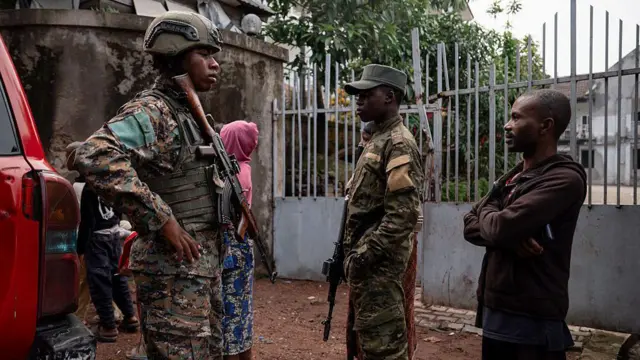
Photo credit
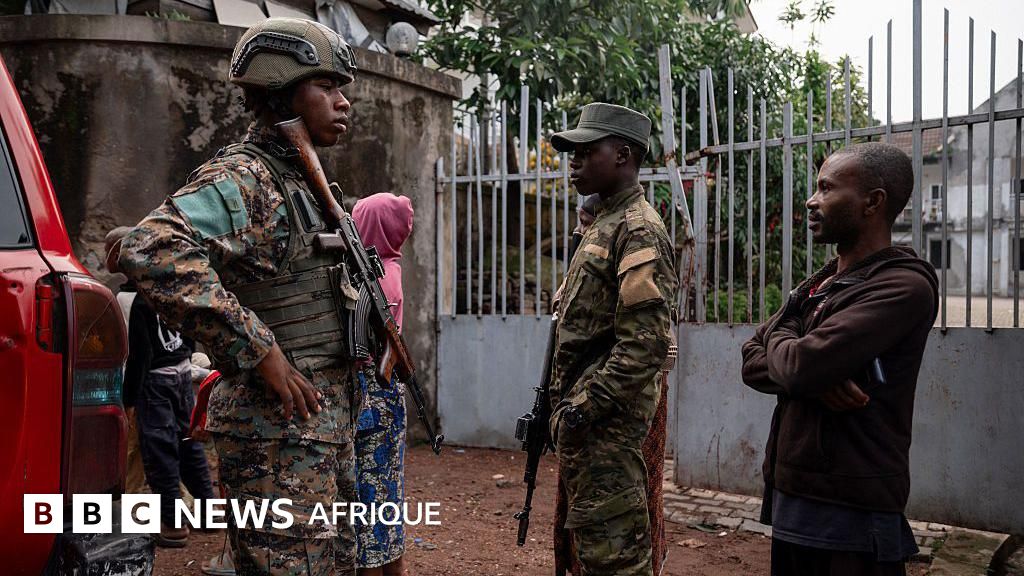
The Democratic Republic of Congo (DRC) government and the M23 rebel group have reached a critical milestone in peace negotiations following five days of talks in Switzerland. Both parties have agreed on a comprehensive roadmap designed to guide future discussions toward a lasting resolution to the decades-long conflict in the eastern DRC.
The joint statement emphasized their commitment to « advancing toward a comprehensive peace settlement » and establishing a ceasefire monitoring mechanism to track violations and enforce compliance. This framework builds on the 2025 Doha Framework Agreement brokered by the United States, though active hostilities persist in regions like North and South Kivu.
Key components of the peace roadmap
While significant progress has been made, several contentious issues remain unresolved. Negotiators have yet to agree on the timing of political reforms, the release of detained M23 members, and the lifting of international sanctions imposed on the rebel group.
The newly agreed framework outlines specific milestones and deadlines, with both sides pledging to demonstrate « flexibility and innovation » in overcoming obstacles. A dedicated secretariat has been established to oversee implementation, with the first verification mission scheduled for Monday in Minembwe, South Kivu—a hotspot for recent clashes.
Ongoing tensions and regional dynamics
The conflict in eastern DRC remains deeply intertwined with tense relations between Kinshasa and Kigali. The Rwandan government continues to accuse the DRC of failing to dismantle the Democratic Forces for the Liberation of Rwanda (FDLR), a rebel faction Kigali views as an existential threat.
In response, the DRC government denies any support for the FDLR and accuses Rwanda of actively backing the M23 with troops and weaponry. These allegations have fueled escalating violence, including the M23’s seizure of strategic locations such as Goma and two airports in early 2025.
With thousands of civilian casualties and hundreds of thousands displaced over the years, the humanitarian toll of this conflict is severe. Eastern DRC’s vast mineral wealth—including coltan, a critical component in global electronics manufacturing—further complicates efforts to broker peace, as armed groups and neighboring states vie for control over lucrative resources.
International mediation and next steps
The latest negotiations included representatives from the M23, DRC government, Qatar, the United States, Togo, the African Union Commission, and Switzerland as the host nation. The agreement reaffirms their commitment to « addressing challenges in implementing the Doha Framework Agreement » and ensuring accountability for ceasefire violations.
Despite these developments, sporadic fighting continues, with both sides accusing the other of breaching prior ceasefire commitments. The road ahead remains fraught with challenges, but the newly established monitoring mechanism offers a glimmer of hope for de-escalation in the conflict-ridden region.