Behind the opacity: why Mali’s military remains silent on civilian casualties
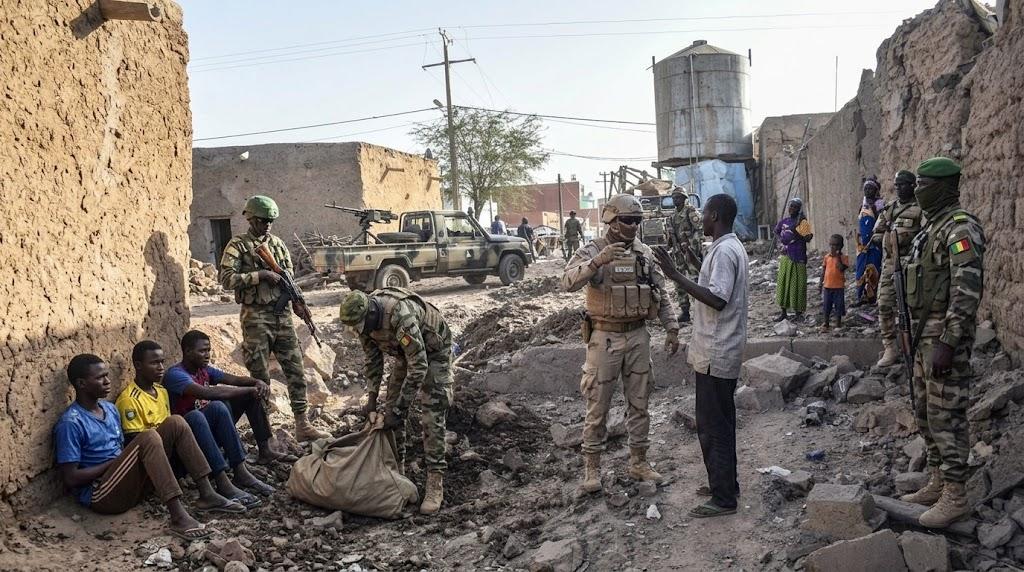
The Malian military’s latest acknowledgment of a “tragic incident”—released on October 14, 2026—has done little to dispel concerns over the rising civilian toll of its operations. In a terse statement, the General Staff confirmed receiving reports of casualties in “an operational zone,” yet provided no details on location, casualties, or circumstances. The vague communication follows deadly airstrikes in Zanakoro, a village in the Ségou region, where local sources report at least eight fatalities, including women and children, in strikes that occurred during a baptism ceremony.
The military’s reluctance to name Zanakoro or share a precise toll raises critical questions: if the incident occurred there, why deny the public a clear accounting? Without independent verification, the link between the two events remains unconfirmed—but the lack of transparency itself fuels distrust in military operations.
From Wagner to Africa Corps: a pattern of unaddressed civilian harm
The October 14 statement emerges amid a broader pattern of allegations against Malian forces and their foreign partners, particularly in the wake of Wagner Group’s successor, Africa Corps. Human rights organizations have documented repeated violations during joint operations, with Africa Corps implicated in strikes that killed civilians, including children, in Mopti’s Kyrnia village as recently as June 2026.
Reports suggest these operations, while targeting alleged jihadist strongholds, often lack clear military objectives, raising concerns about indiscriminate attacks. The persistence of such allegations—despite the transition from Wagner to Africa Corps—highlights a deeper issue: the Malian military’s limited capacity or willingness to hold itself accountable for civilian harm.
The human cost of secrecy in Mali’s counterterrorism fight
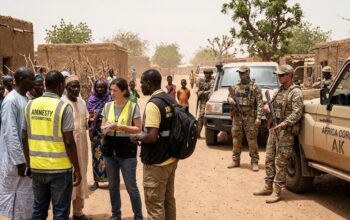
Civilian fatalities in Mali are not isolated cases. A September 2026 report by Amnesty International cataloged seven incidents between 2023 and 2025, involving 34 civilians allegedly killed by Malian forces and their Russian allies. Methods included executions, torture, and arson, with Peul, Tuareg, and Arab communities disproportionately affected. These acts, if confirmed, could constitute war crimes under international law.
The report underscores a disturbing trend: communities already struggling under jihadist violence face further peril from those tasked with protecting them. The military’s failure to investigate or acknowledge these abuses exacerbates a cycle of impunity that undermines public trust.
When transparency is not optional: the imperative of accountability
A civilian death in conflict must never be treated as collateral damage. International humanitarian law demands strict adherence to principles of distinction, proportionality, and precaution. When strikes result in civilian harm, authorities must:
- Specify the date, location, and identities of victims
- Explain the military objectives and intelligence used in the operation
- Investigate possible violations and hold responsible parties to account
- Provide reparations to affected families
The military’s reluctance to disclose such details—even in a single confirmed incident—suggests systemic opacity. For families in Zanakoro and beyond, this silence is not just frustrating; it is a denial of justice.
Civilian protection in Mali’s shadow wars: can the cycle be broken?
The Malian government faces a dual challenge: defeating armed groups while ensuring its own forces do not become predators to the population. The October 14 acknowledgment is a step—albeit a hesitant one—but steps alone are insufficient without action.
Independent investigations, credible judicial proceedings, and a commitment to transparency are non-negotiable. Until then, the shadow of unanswered civilian casualties will continue to loom over Mali’s military operations, eroding faith in its stated mission to safeguard lives.
The question now is not whether another incident will occur, but whether Mali’s leaders will finally treat civilian harm as more than an afterthought.