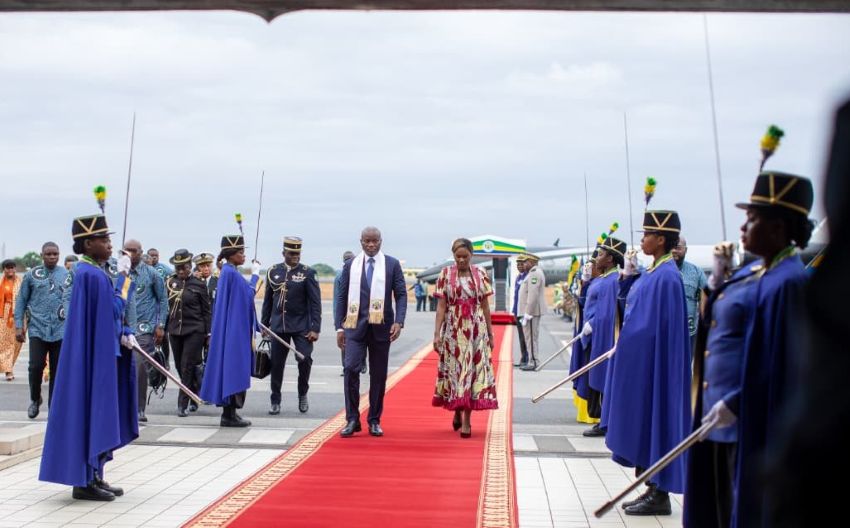
Gabon’s diplomatic push aims to turn promises into economic gains
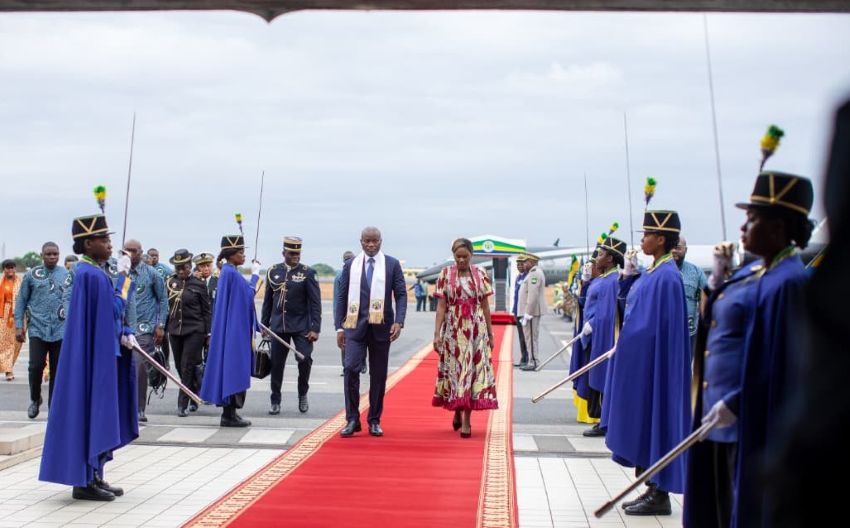
The return of Gabonese President Brice Clotaire Oligui Nguema to Libreville on Friday marked not the end of a diplomatic journey, but the beginning of a critical evaluation phase. Between July 27 and August 7, 2026, his African tour was far more than routine protocol—it was an economic offensive disguised as diplomacy.
From handshakes to hard results
While the tour featured the expected high-level meetings and agreements, the real test lies ahead. The success of this mission will be measured not by the number of signatures collected, but by the tangible outcomes they generate: investments flowing into Gabon, new infrastructure rising from the ground, jobs created for Gabonese workers, and expanded market access for local businesses.
Diplomacy with a development agenda
This African tour reflected a deliberate shift in Gabon’s foreign policy approach. No longer content with symbolic gestures, Libreville is wielding diplomacy as a tool for economic transformation. The agenda stretched beyond traditional political discussions to focus squarely on sectors that drive growth: energy, agriculture, infrastructure, vocational training, and trade.
A standout moment came in Abidjan, Côte d’Ivoire, where President Oligui Nguema didn’t just observe—he studied. The visit included tours of industrial zones, structural projects, and meetings with major economic players like NSIA Group and Aurion Capital. The message was clear: Gabon is open for business, and Ivory Coast’s economic model offers valuable lessons in industrialization and private sector mobilization.
A new era of African economic cooperation
The tour underscored Gabon’s evolving role in continental economic integration. Libreville is no longer satisfied with mere political solidarity; it seeks strategic partnerships that deliver mutual economic benefits. The Ivory Coast example proves how deliberate infrastructure investment, industrialization, and private sector engagement can reshape a nation’s economic influence in West Africa.
For Gabon, this represents more than friendship between states—it’s an opportunity to learn from success stories, secure financing, forge industrial partnerships, and acquire critical expertise. The same principle applies to every agreement signed during the tour, from agriculture to energy infrastructure.
The real work begins now
Back in Libreville, the administration faces a new challenge: converting diplomatic wins into economic reality. The true measure of this tour’s success will be visible in concrete terms. How many investment commitments will materialize into projects? How many jobs will be created? Which technologies will be transferred to Gabonese industries? Which new markets will open to Gabonese exporters?
This is where the rubber meets the road. A foreign policy that delivers meaningful development must ultimately improve lives and livelihoods. The white presidential sash—worn throughout the tour as a symbol of national identity—carries a dual meaning: pride in Gabon’s heritage and commitment to continental progress. But symbols alone won’t build roads, factories, or job opportunities.
The next chapter in Gabon’s economic story may not be written in kilometers traveled, but in projects completed. The diplomatic momentum is there. What remains to be seen is whether Libreville can translate this momentum into real economic transformation—making diplomacy not just a showcase for Gabon, but one of its most powerful engines of growth.
You may also like
Will Senegal’s local elections break Bassirou Diomaye Faye’s presidency before it truly begins?
Senegal’s budget: can Ousmane Sonko afford to block Bassirou Diomaye Faye’s 2026 plan?
Senegal electoral reform: Khalidou dit Mbaye Sokoma’s full proportional representation push
Senegal’s local elections: Bassirou Diomaye Faye still won’t set a date
Alain-Georges Moukoko takes over Libreville prosecutor general’s office