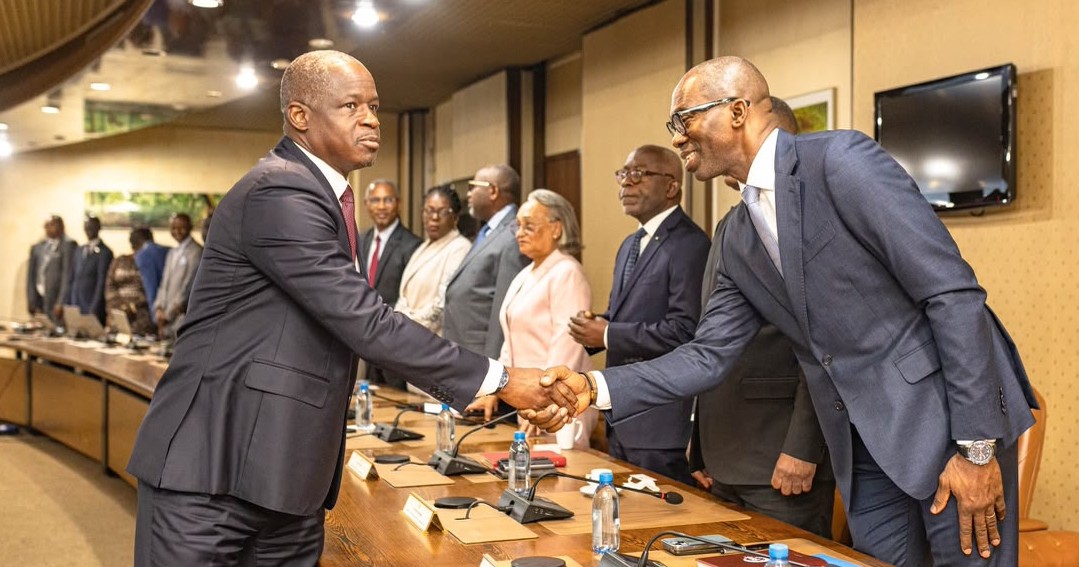
Libreville has kicked off a critical phase in budget planning for 2027, as the Gabonese government initiates preparatory conferences to shape the upcoming Projet de Loi de Finances (PLF). These discussions mark a pivotal step in aligning national spending with long-term economic goals.
The initiative unfolds in two structured phases, as outlined in official guidelines. The first, a ministerial review, runs from July 14 to 17, followed by a technical examination from July 20 to 24, where sectoral ministries, public operators, and budget officials will collaborate to assess revenue forecasts, expenditure sustainability, and funding requirements.
Ensuring fiscal discipline and transparency
At the heart of these deliberations is a commitment to crafting a budget that is sincere, realistic, and sustainable. Authorities emphasize tighter public resource mobilization and stricter spending oversight, reflecting broader efforts to stabilize the national economy amid evolving challenges.
The sessions draw on multiple strategic frameworks, including the National Growth and Development Plan (PNCD) 2026–2030, insights from June’s budget orientation debate, and resolutions from the January 2026 CEMAC leaders’ summit in Brazzaville. These inputs will directly influence the 2027 budget’s alignment with presidential priorities, as articulated in the June 15 State of the Nation address.
Learning from 2026’s fiscal adjustments
Last year’s revised budget—slashed to 5.495 trillion CFA francs from an initial 6.358 trillion—highlighted the need for pragmatic adjustments. Revenue shortfalls and spending constraints prompted the revision, which prioritized infrastructure, social policies, and fiscal consolidation during a period of transition.
The 2027 budget discussions aim to build on these lessons, ensuring coherence with the 2027–2029 macroeconomic framework while advancing national objectives set by Gabon’s leadership.
The Minister of Economy, Thierry Minko, has underscored the importance of these conferences in delivering a budget that balances ambition with reality—one that reflects both economic prudence and developmental urgency.