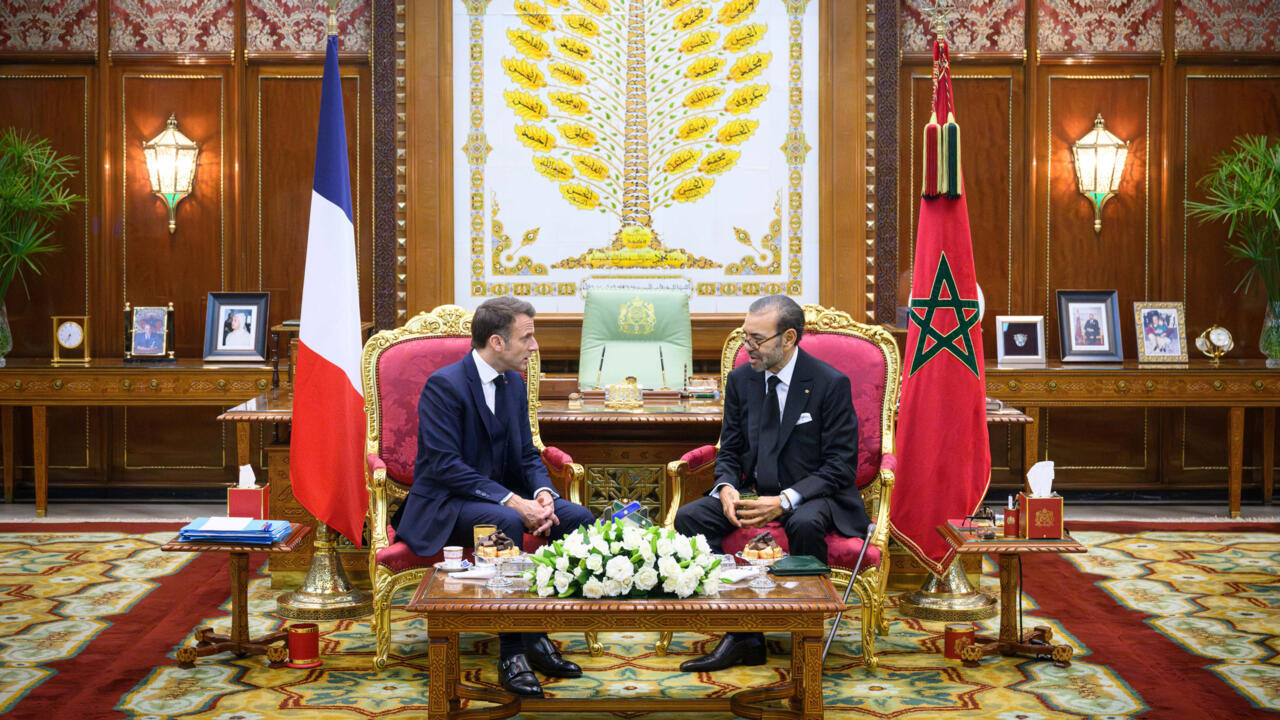
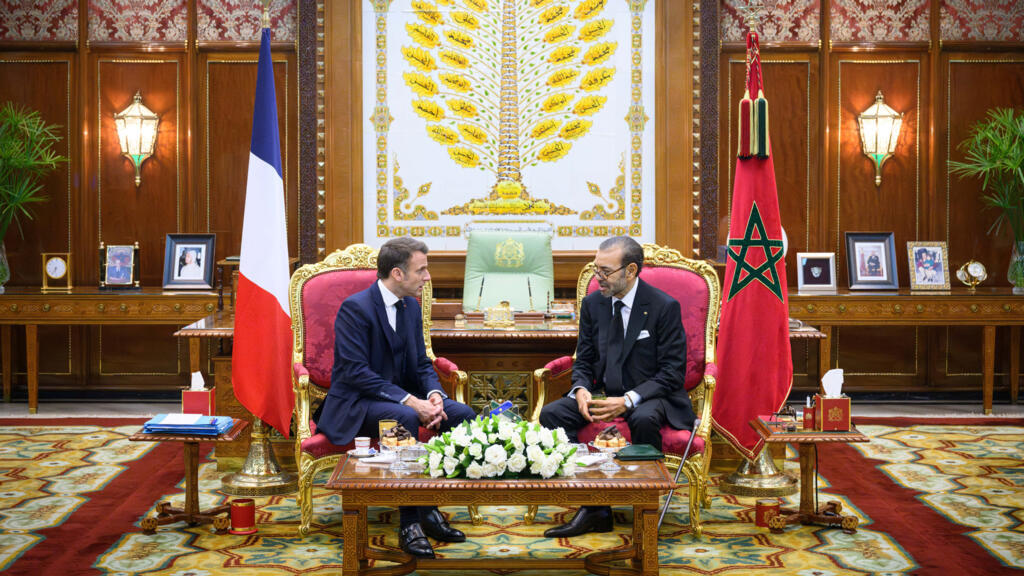
France’s Prime Minister, Sébastien Lecornu, is set to embark on a two-day diplomatic mission to Morocco this week, accompanied by a high-level delegation including key ministers. The visit marks a pivotal moment in Franco-Moroccan relations, aiming to deepen cooperation across economic, security, and defense sectors.
Rebuilding trust after years of strained relations
This visit follows a period of diplomatic turbulence, including disputes over alleged French cyber espionage and visa restrictions for Moroccan nationals. However, relations have improved since 2024, particularly after France’s strong backing of Morocco’s sovereignty claims over Western Sahara. The agenda includes meetings with Morocco’s Prime Minister, Aziz Akhannouch, and discussions on economic, security, migration, and defense cooperation.
For Lecornu, this trip holds special significance—it’s his first official international visit since taking office at Matignon. The delegation comprises over a dozen ministers, reflecting the depth of France’s commitment to revitalizing ties with Rabat.
Preparing for a future partnership
The visit also serves as a precursor to an upcoming state visit by King Mohammed VI to France. While the exact date remains unconfirmed, diplomatic sources hint at progress toward a future bilateral agreement modeled after France’s exceptional partnerships with select European nations. This potential accord is expected to be finalized during the king’s visit, though uncertainties persist due to the monarch’s infrequent public appearances and health-related speculations.
Morocco’s last official visit to France dates back to the early 2000s, underscoring the rarity of such high-level exchanges. The careful handling of this diplomatic process highlights both countries’ cautious yet determined approach to strengthening their alliance.
Strategic importance in North Africa and beyond
The Franco-Moroccan relationship carries strategic weight for both nations. France remains Morocco’s top foreign investor and primary source of foreign exchange, largely through remittances from Moroccan communities in France. Meanwhile, Morocco has emerged as France’s key partner in North Africa, especially as relations with Algeria remain complex despite recent trade improvements.
Beyond the Maghreb, Morocco plays a crucial role in France’s continental strategy. With France’s influence waning in sub-Saharan Africa, Morocco’s renewed engagement in continental affairs—including its reintegration into the African Union—positions it as a vital gateway for Paris. The country’s growing global influence is further bolstered by its strategic partnerships with the United States, notably through the Abraham Accords and Morocco’s participation in the Trump-era Middle East peace initiative.
Diversifying alliances
Morocco’s diplomatic strategy has evolved significantly, with a focus on diversifying alliances. Its decision to normalize relations with Israel in 2020, despite initial controversy, has paid dividends. The U.S. and Israel’s subsequent recognition of Morocco’s Western Sahara sovereignty claims have reinforced Rabat’s position on the global stage. This pragmatic approach underscores Morocco’s ability to leverage international partnerships to advance its national interests.