The natural wealth of a nation should fortify its sovereignty—not fuel its instability. This principle has guided the Democratic Republic of the Congo’s latest diplomatic offensive at the highest levels of global governance. In a bold address before the United Nations on July 14, 2026, Kinshasa did not merely advocate for economic interests; it launched a scathing indictment of a global system it argues has long exploited mineral-rich nations while denying them the benefits of value addition.
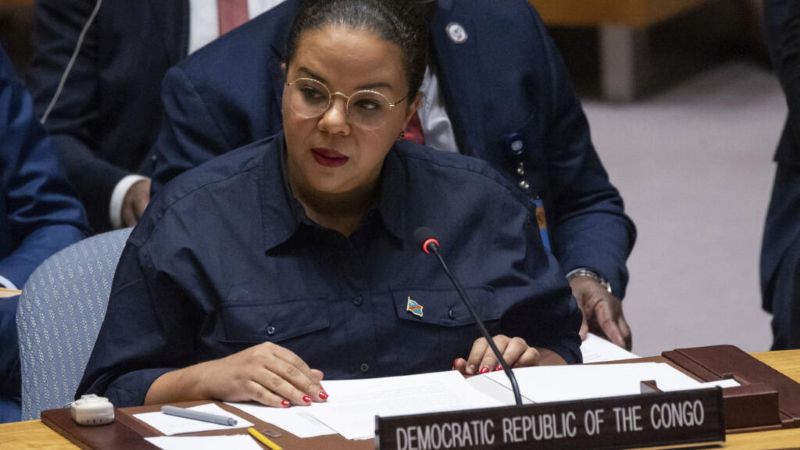
Speaking at a high-level UN meeting on critical minerals essential to the global energy transition, Foreign Minister Thérèse Kayikwamba Wagner outlined a vision to transform the DRC from a mere exporter of raw materials into a central hub for industrial processing of strategic resources. Her message was clear: the world’s energy future cannot be considered just without integrating the producers who supply its foundation.
« The question is no longer just where critical minerals come from, but where the value they generate is retained,» she declared, calling for massive investments in infrastructure, energy, research, technology, and the modernization of artisanal mining across the Congo.
Under her leadership, the Congolese government is pushing for a new international partnership model—one built on technology transfer, capacity building, and equitable distribution of wealth across global value chains. The goal? To ensure that African nations are no longer sidelined in the transition to cleaner energy.
Beyond economics: linking minerals, conflict, and security
The minister did not limit her remarks to economic justice. She firmly tied the issue of critical minerals to regional security, particularly in the mineral-rich eastern DRC. Citing findings from UN expert reports, she highlighted the case of Rubaya, a mining zone whose coltan output—critical for electronics and renewable energy—supports nearly 15% of global demand. According to investigators, at least 1,400 tons of coltan were illegally smuggled into Rwanda after the M23 rebel group, backed by Kigali, seized control of the area. This illicit trade is estimated to generate up to $800,000 monthly for armed factions.
Despite overwhelming evidence, the Rwandan Defense Forces have yet to face UN sanctions—a gap that, in Kayikwamba’s view, exposes the failings of the current international framework in curbing the financing of conflict through natural resource exploitation.
A call for systemic reform in global resource governance
As president of the UN Security Council, the DRC is now advocating for a unified international framework that directly links natural resource governance to peacebuilding, conflict prevention, and sustainable development. The Congolese delegation insists that all actors in the supply chain—from producers and traders to financiers, manufacturers, and consumer nations—must be held accountable. Only then can mineral traceability systems effectively combat fraud, smuggling, and armed group financing without unfairly penalizing legitimate artisanal miners.
This diplomatic push marks a strategic shift: Kinshasa is no longer demanding just protection of its resources. It is demanding a fundamental reform of how the world manages the energy transition—one that recognizes the contributions and rights of producing nations.