Benin is taking a bold step forward in its cultural sovereignty journey. After the triumphant return of its first wave of treasured artifacts, the nation is now advancing to a critical new phase. On July 14, 2026, Cotonou formally established a national scientific committee to spearhead the repatriation of 35 additional cultural masterpieces and colonial-era archives currently held in France. This initiative transcends symbolic restitution—it is a strategic move to harness restored heritage as a catalyst for tourism and cultural revival, igniting local enthusiasm nationwide.
Reclaiming history: Benin’s bold cultural diplomacy
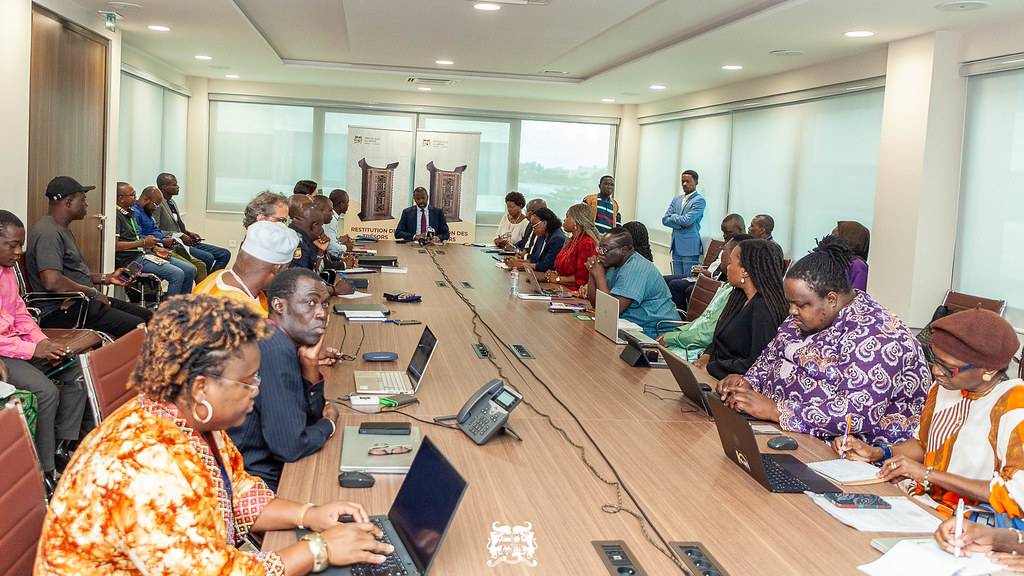
The West African nation, already a leader in cultural restitution across sub-Saharan Africa, is not resting on past achievements. Benin has formally requested France to return 35 significant cultural works and archival documents vital to its national narrative. To execute this complex mission—grounded in law, history, and science—Cotonou has inaugurated a high-level national scientific committee on July 14, 2026.
Comprising six distinguished experts and led by Alain Godonou, a prominent figure in African heritage conservation, the committee will strengthen Benin’s diplomatic case and collaborate closely with the future Franco-Beninese joint scientific commission. During the committee’s launch, the Minister of Culture, Arts, and Heritage, Yassine Latoundji, underscored the sacred nature of their mission: “Your duty demands intellectual rigor, independence, collegiality, dedication to the public good, and unwavering fidelity to scientific truth.”
From heritage to prosperity: the economic promise of restitution
While the moral and political significance of these returns is undeniable, Benin’s government views them primarily as a major economic investment. From Cotonou to Abomey and Ouidah, culture is no longer seen as a financial burden but as a thriving sector capable of creating thousands of jobs—directly and indirectly.
World-class museums and restored landmarks
To ensure the safekeeping and dignified display of these treasures, Benin has launched ambitious infrastructure projects across the country. The upcoming Museum of Kings and Amazons in Abomey will celebrate the legendary history of the Dahomey Kingdom. In Porto-Novo, the International Vodun Museum aims to reclaim and reinterpret a globally misunderstood spiritual tradition. Meanwhile, the extensive restoration of historic forts in Ouidah will anchor sustainable “memory tourism” tied to the transatlantic slave trade. These state-of-the-art facilities are designed to attract foreign investment and build local expertise in museology, cultural mediation, and art restoration.
A thriving tourism ecosystem
The repatriation of 35 new cultural artifacts and archives will dramatically enrich Benin’s museum landscape. The local economy is poised to benefit across multiple sectors. Hotels and restaurants can expect a surge in regional and international tourist stays. Artisans—especially bronze workers, weavers, and woodcarvers—are set to see renewed demand as they draw inspiration from the recovered masterpieces to craft contemporary works. Transportation, guiding services, and event planning will also flourish within this dynamic new ecosystem.
A people’s movement: pride, identity, and hope
In the bustling neighborhoods of Cotonou, the formation of the new committee has sparked widespread excitement and deep reflection. Residents are rediscovering their heritage not as museum pieces, but as living symbols of ancestral wisdom and lost craftsmanship.
“These objects are not mere relics,” says Séraphin, a bronze artisan at the Dantokpa market. “They carry the spirits of our ancestors, the skills that were stolen from us. Seeing them return is like regaining a piece of our soul. And if this brings visitors from around the world to our workshops, it will open doors for our youth.”
Students at the University of Abomey-Calavi share this sentiment. For them, the return of national archives marks a scientific revolution.
“For years, our researchers had to travel to Paris or Aix-en-Provence to study our own colonial history,” explains Amélie, a doctoral student in history. “Now, with these archives back in Cotonou, we can finally write our history from our own soil—with our own words.”
This groundswell of public support is the foundation of the government’s vision. Cultural restitution is not just a matter for elites or diplomats; it is a people’s reclaiming of identity that strengthens national unity.
A new chapter in post-colonial cooperation
By launching the committee on France’s National Day, Benin sends a powerful message: it is time for a mature, equal partnership based on mutual respect and shared knowledge. France and Benin are co-creating a new model of post-colonial relations—one rooted in collaboration, not confrontation.
The roadmap is clear. Following the July 2026 launch of the national committee, Beninese experts will spend the rest of the year meticulously preparing the dossiers for the 35 artifacts and archives, working hand-in-hand with French museum institutions. By 2027, the joint Franco-Beninese commission is expected to finalize the official transfer of these treasures home to Benin.
A blueprint for Africa’s future
Benin’s methodical approach proves that cultural restitution is far more than historical reparation. By grounding its claims in science and preparing world-class infrastructure to receive its heritage, Cotonou is transforming culture into a driver of political empowerment, national pride, and sustainable economic development. As these 35 artifacts and archives prepare to journey home, Benin is showing the world that heritage is not just the past—it is the future.