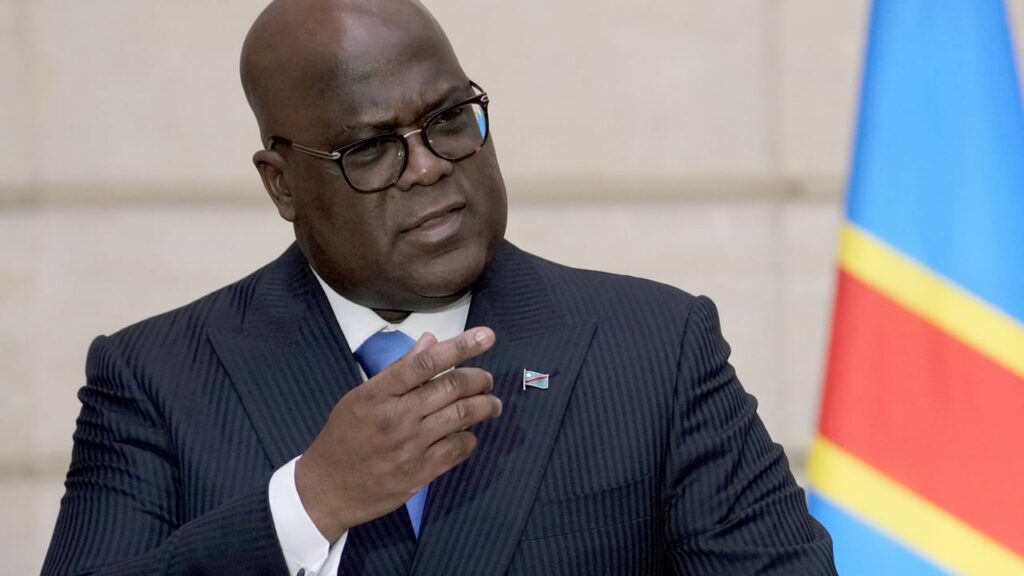
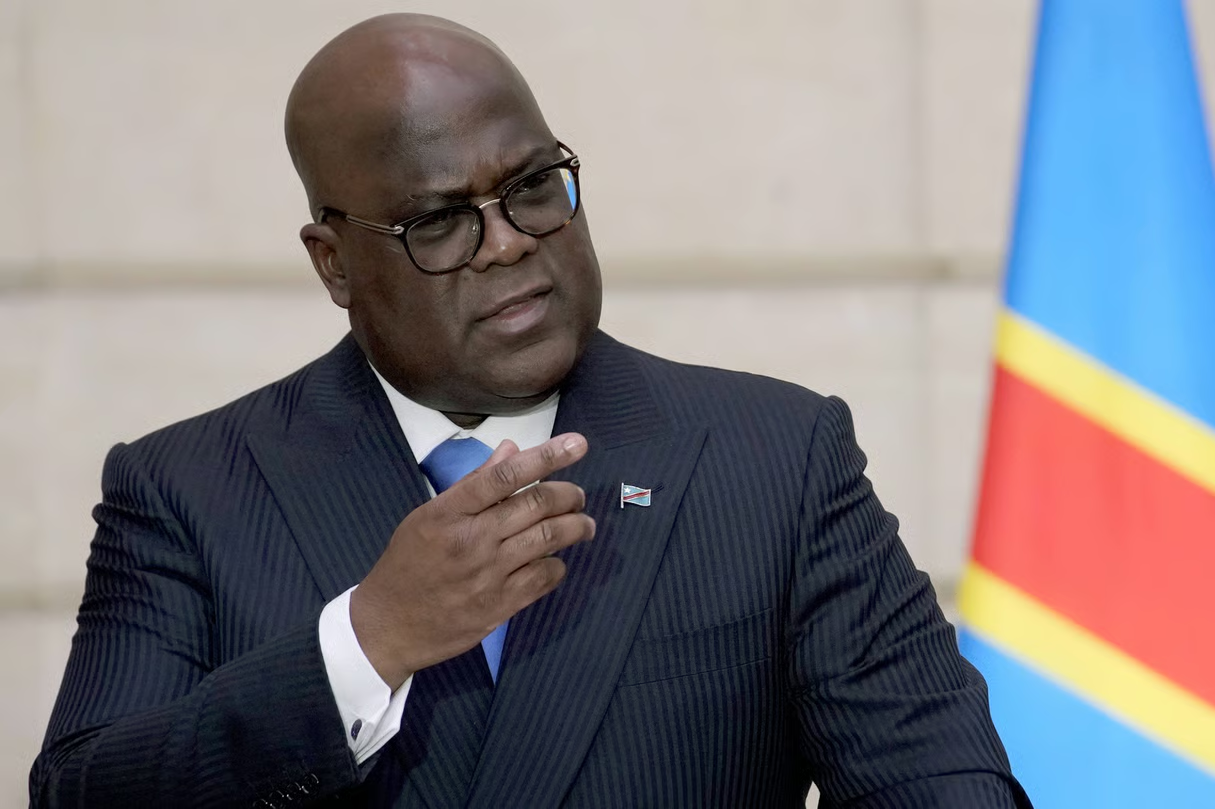
The Democratic Republic of the Congo’s referendum law has been formally submitted to Parliament, placing President Félix Tshisekedi in a pivotal position to steer the legislative process. This move follows weeks of intense political maneuvering, with key stakeholders positioning themselves ahead of the upcoming national dialogue.
The draft law, which proposes constitutional amendments to allow for a potential referendum on governance reforms, has become the centerpiece of political discussions. Opposition figures, including prominent businessman Moïse Katumbi, have voiced strong reservations about the timing and implications of the proposed changes.
Sources close to the presidency indicate that Tshisekedi’s administration is determined to push forward with the legislation, emphasizing the need for institutional modernization. However, critics argue that the timing raises concerns about democratic backsliding and the erosion of checks and balances.
Parliament’s role in shaping the referendum debate
Parliament now holds the key to either accelerating or delaying the referendum law’s progress. With the UDPS party, Tshisekedi’s political platform, holding a majority in both chambers, the government appears confident in securing approval. Yet, internal divisions within the ruling coalition could complicate the process.
Opposition lawmakers have signaled their intent to challenge the bill’s provisions, particularly those related to term limits and electoral reforms. The debate is expected to dominate parliamentary sessions in the coming weeks, with potential amendments likely to emerge before a final vote.
Public reactions and political implications
Civil society groups and international observers are closely monitoring the developments. Concerns have been raised about the lack of broad-based consensus on the referendum’s necessity, as well as the potential for heightened tensions ahead of the 2028 elections. Protests and public statements from civil society organizations reflect a growing unease over the government’s approach.
Meanwhile, Tshisekedi’s supporters argue that the reforms are essential for addressing long-standing governance challenges and ensuring stability in the resource-rich nation. The president’s ability to navigate these political waters will likely determine the trajectory of his second term and his legacy in Congolese politics.
As Parliament prepares to deliberate, all eyes are on Félix Tshisekedi to see whether he can strike a balance between advancing his agenda and addressing the concerns of his critics.
You may also like
Niger’s jailing of lawyer Abdourahamane Lirwana: is free speech now a crime in the country?
Can Benin turn a €500 million loan into lasting social change?
Burkina Faso: what does Ibrahim Traoré’s four-year record truly mean for the displaced and the silenced?
Will Benin’s UCESIF gambit in Bucharest pay off for francophone social dialogue?
Niger’s sovereignty paradox: can the junta’s UN rhetoric survive the SOMAÏR and SONIDEP collapse?