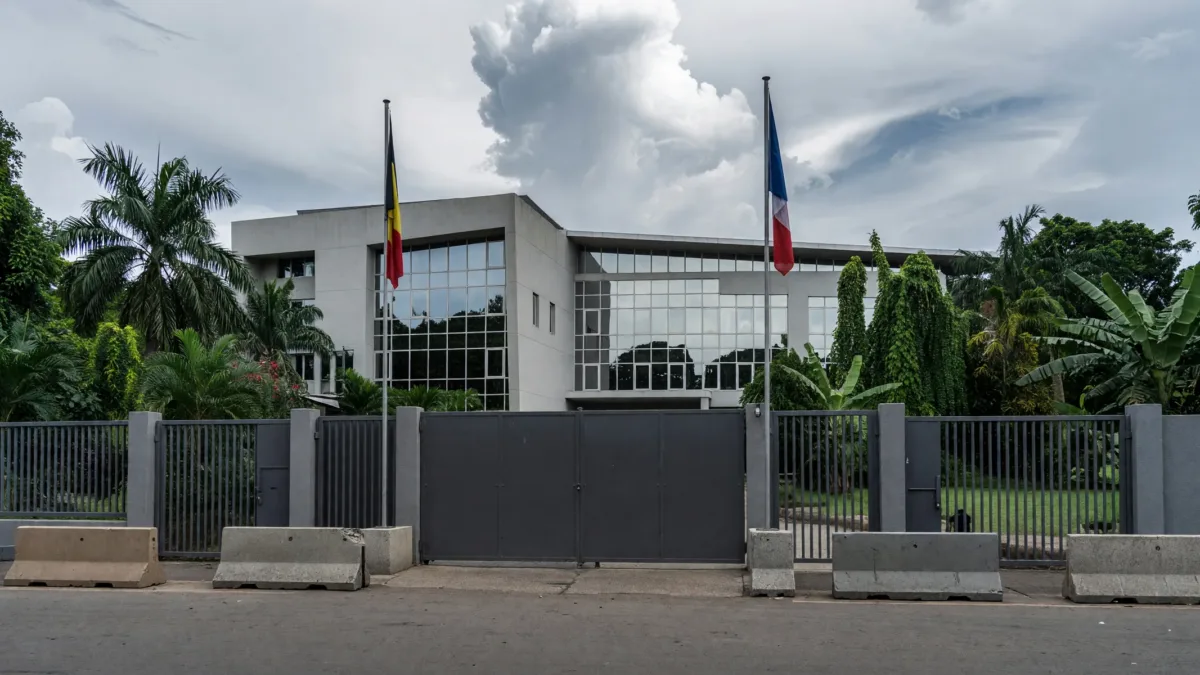
Belgium and France have issued a joint security advisory for their citizens in the Democratic Republic of Congo (DRC), urging them to exercise caution and limit travel ahead of a planned opposition march slated for July 22, 2026. The warning comes as the C64 opposition coalition prepares to stage a demonstration that has raised concerns among local authorities.
The security situation in the DRC has deteriorated in recent months, prompting Western governments to tighten travel advisories for the country. Both Brussels and Paris have cited escalating risks, including political unrest and public gatherings that frequently turn confrontational.
Belgium’s formal travel caution
On July 16, 2026, Belgium’s Foreign Ministry updated its travel advisory, advising against all non-essential trips to the DRC. The ministry pointed to specific incidents, including a violent protest targeting the Belgian embassy in Kinshasa in January 2025 and drone attacks near Kisangani airport in early 2026. These developments underscore the persistent political instability gripping the nation, where opposition-led demonstrations often clash with government forces.
The C64 coalition, a prominent opposition alliance, has organized multiple protests that authorities have consistently deemed unauthorized or high-risk. The group’s planned July 22 rally is among the most closely monitored events in recent months.
France and Canada join safety alerts
France’s Foreign Ministry also updated its travel recommendations on July 14, 2026, advising against travel to the DRC. The ministry cited both general security concerns and a recent Ebola outbreak as key factors in its decision. Meanwhile, Canada has implemented a 21-day quarantine for travelers arriving from the DRC due to the Ebola epidemic, further complicating entry and exit procedures for the country.
Diplomatic priorities in Kinshasa
For French and Belgian nationals residing in the DRC, the heightened alerts reflect a broader consular strategy to protect citizens in high-risk zones. Belgium, as a former colonial power, maintains strong diplomatic and economic ties with the DRC, which heightens its focus on citizen safety. France, too, has a significant expatriate community in Kinshasa, particularly in sectors like humanitarian aid, development cooperation, and business.
The two nations often coordinate their security communications in Central Africa, ensuring consistent messaging for their citizens. While neither embassy has specified how long these restrictions will remain in effect, they are expected to be reassessed once the July 22 demonstration concludes and ground-level conditions are evaluated.