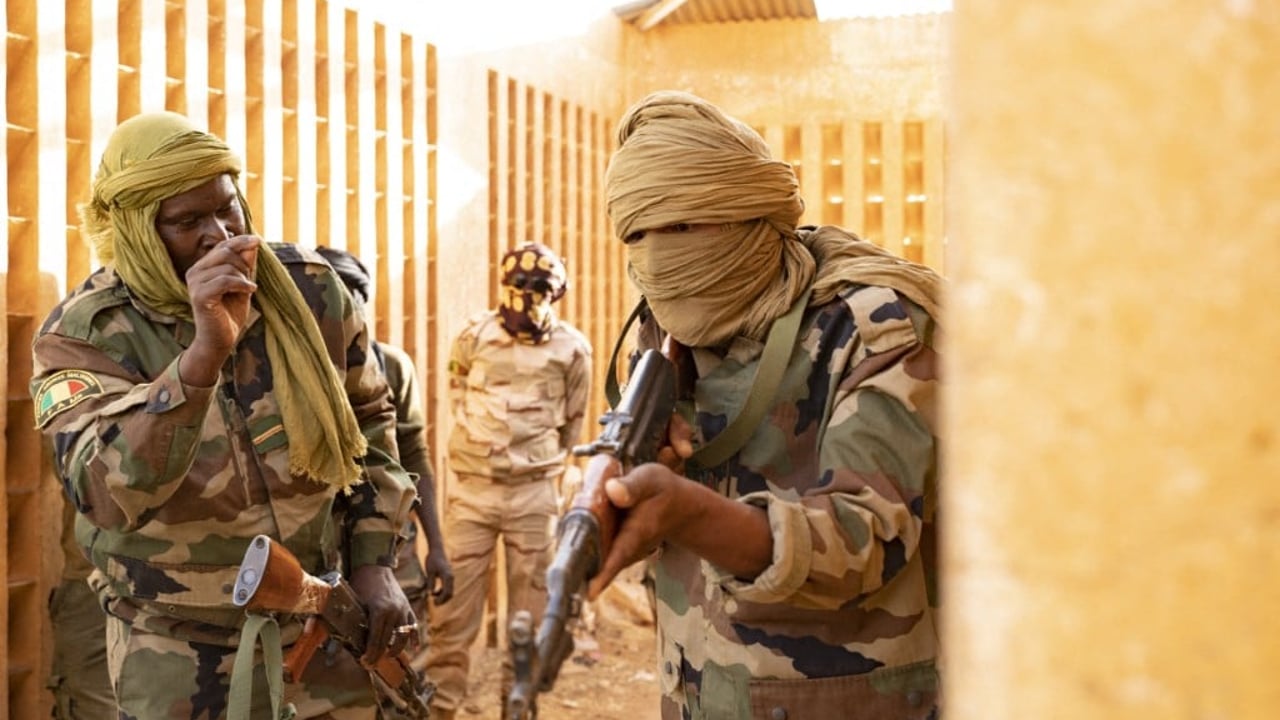
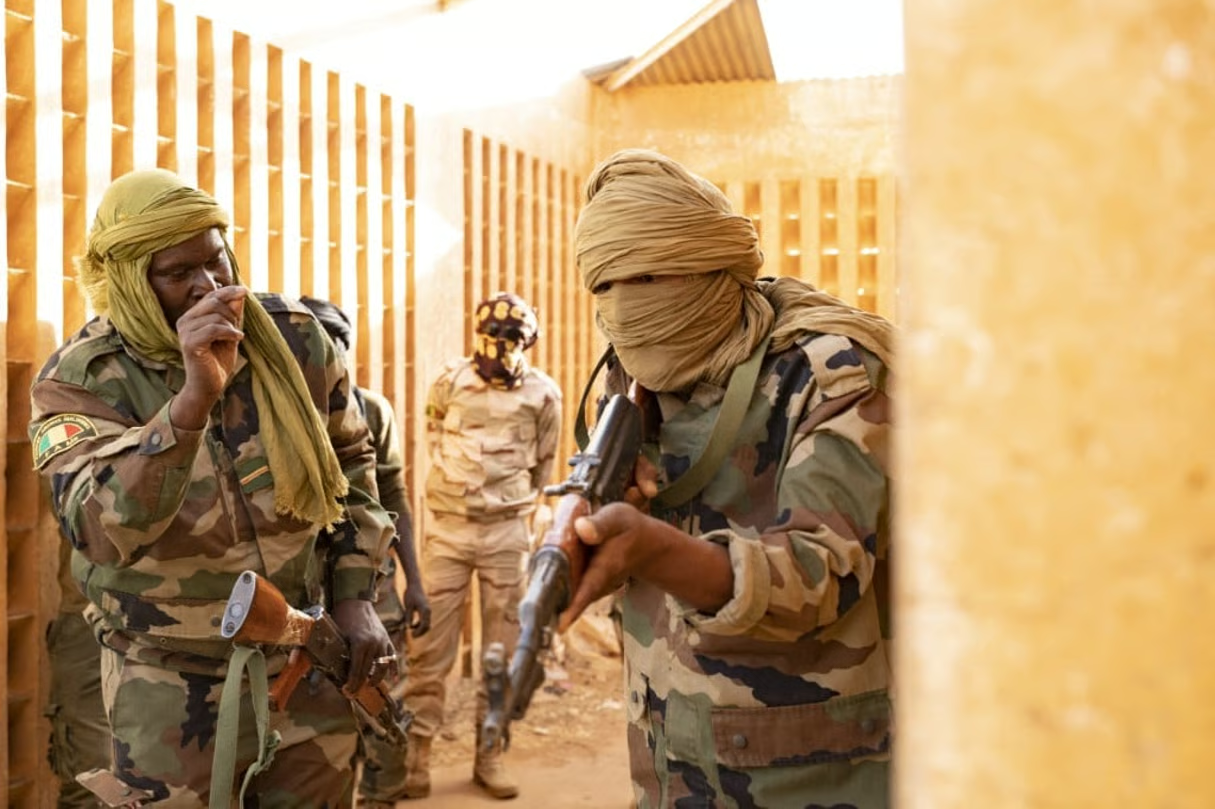
A devastating ambush has left over fifty Malian soldiers dead in the Gao region of northern Mali. The attack, which unfolded overnight, targeted a military convoy along a critical supply route frequently used by national defense forces.
coordinated assault by armed groups
The assault was reportedly carried out by two militant factions operating in the Sahel. The assailants, identified as members of the Front de Libération du Azawad (FLA) and the Group for the Support of Islam and Muslims (Jnim), launched a surprise attack on the convoy, exploiting the cover of darkness to maximize casualties.
Initial reports from military sources confirm the loss of life, though the exact toll remains under investigation. Local commanders have dispatched reinforcements to the area as a precautionary measure, while emergency response teams work to secure the site and recover the fallen.
regional security under strain
This incident underscores the persistent security challenges faced by Mali and its partners in the Sahel. The Gao region, a hotspot for insurgent activity, has seen a surge in violent clashes in recent months, with armed groups intensifying their attacks on state forces and civilian infrastructure.
Analysts point to weak governance, porous borders, and the proliferation of small arms as key factors fueling the instability. International observers warn that such attacks could further destabilize the region, complicating ongoing counterterrorism efforts led by Malian and allied forces.
military response and countermeasures
In response to the ambush, Malian defense authorities have heightened security protocols along major transit routes. Additional patrols and aerial surveillance have been deployed to deter future attacks and protect military personnel.
The government has reiterated its commitment to combating terrorism, calling for greater cooperation among regional partners. Meanwhile, local leaders urge swift action to restore stability and prevent further loss of life in communities already reeling from years of conflict.