Behind Dakar’s strike: the roots of a simmering social crisis
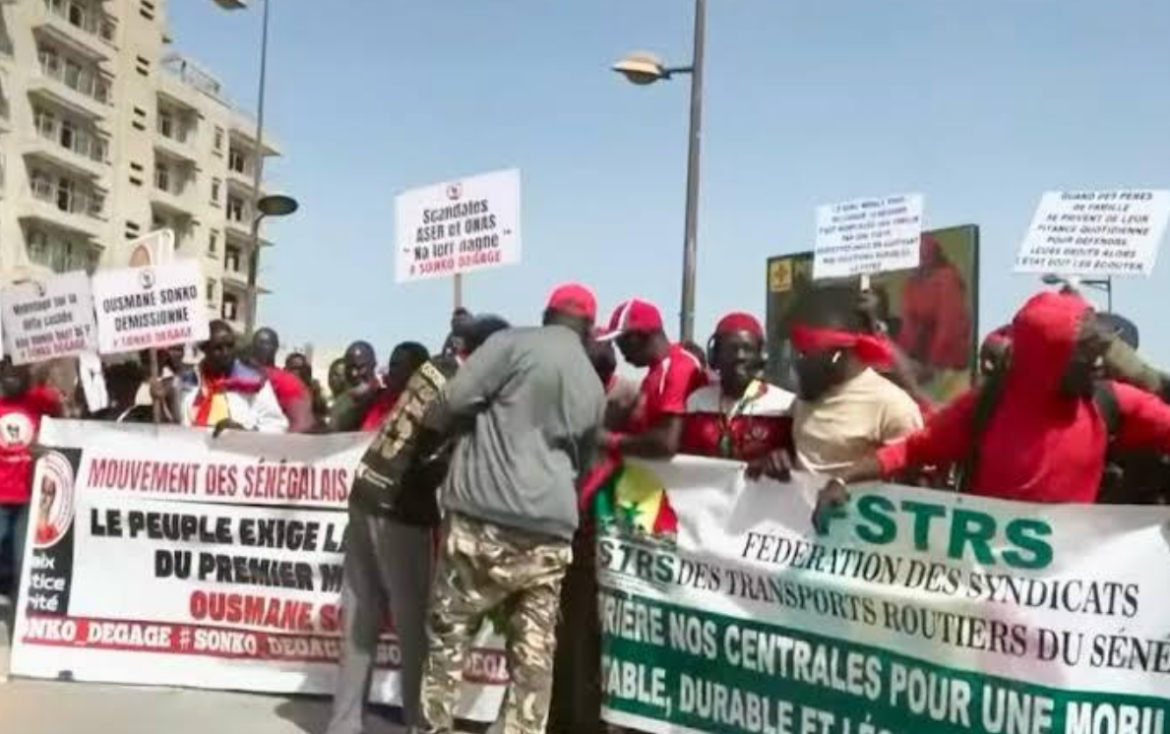
The capital is bracing for a second wave of protests this year as unions hit pause on negotiations and demand more than just talk. At issue are delayed salaries, unfulfilled training promises, and unresolved administrative disputes that have left teachers and public-sector workers in limbo. Rather than a simple wage dispute, this walkout reflects deeper frustrations over the state’s ability—or unwillingness—to honour its own commitments.
Why the G7 alliance is leading the charge
The Group of Seven unions is not staging a protest; it is enforcing a demand for accountability. The 16 April 2026 pact promised timely salary payments, faster case processing, and a nationwide diploma-training program, yet none of those pledges have been met. Contract teachers are still waiting for months-overdue wages, while newly qualified educators struggle with suspended training schedules. For the G7, the 72-hour action is less about disruption and more about forcing closure on issues that have dragged on for more than half a year.
The broader Front syndical pour la défense des travailleurs (FSDT) warns that the walkout could ripple beyond education into transport, health, and utilities if talks do not yield tangible results before the month ends. Behind the scenes, union negotiators point to systematic delays in budget release as the core reason for the impasse.
Government strategy: carrot and a very pointed stick
Prime Minister Ahmadou Al Aminou Lo has repeatedly urged patience, proposing a three-month moratorium on strikes while negotiations resume. Yet the same week, officials cautioned that a single pre-strike notice filed with the ministry of public service could not legally cover a general work stoppage across public, semi-public, and private sectors. The message was clear: follow procedure or face payroll deductions and disciplinary action.
The cabinet also pledged to keep key arteries open, citing a duty to protect both commerce and the workforce. For unions, however, the dual tracks—dialogue calls and penalties—signal a government still navigating between pressure from international sponsors and mounting domestic discontent.
A political backdrop that complicates every demand
The strike lands exactly as parliament debates next year’s budget, exposing rifts between the presidency and legislators over spending priorities. Some lawmakers openly question whether extra funds can be found for social programmes while the state pursues costly infrastructure projects ahead of the Youth Olympic Games. In this volatile environment, every concession to workers becomes a bargaining chip in a larger political chess game.
Unions deny accusations of politicisation, insisting their demands remain rooted in labour rights and service quality. Observers note, though, that the timing of the walkout gives it an unavoidable political edge.
What’s at stake beyond the three days
The immediate disruption to classrooms, clinics, and public transit could pale beside the longer-term risk: erosion of trust in the state’s word. If the government fails to disburse the final tranche of teacher allowances or to restart postponed training sessions, the next academic year may start under the same cloud of uncertainty. The games themselves loom as a further pressure point: organisers insist all services must run smoothly, yet workers insist they will not be sidelined to ensure a flawless spectacle.
Can Senegal break the cycle?
Recent history shows that symbolic concessions rarely satisfy mobilised sectors. The G7 has already tabled a demand for an independent audit of budget flows to ministries responsible for education and civil service affairs. A transparent schedule for arrears clearance could break the stalemate; otherwise, unions are prepared to escalate.
For the administration, the cost of inaction is not only fiscal—it is reputational. With donor confidence already fragile, any perception that the state is prioritising image over citizens’ welfare risks deeper isolation. The next few days will decide whether Senegal can translate dialogue into delivery before frustration turns into lasting rupture.