When transparency is treated as a threat rather than a right, the cracks in Niger’s oil industry begin to show not just in its fuel tanks, but in the very corridors of power. The abrupt prohibition of peaceful protests scheduled for October 21st against the management of oil revenues at Agadem fields by authorities under the direction of Interior Minister General Mohamed Toumba wasn’t merely an authoritarian reflex—it unveiled a broader pattern of systemic failure.
What lies behind Niamey’s empty fuel pumps
Beyond the lines snaking for kilometers outside petrol stations lies a story of structural inefficiency and missed opportunities. Niger, a nation blessed with significant oil reserves at Agadem, now faces chronic shortages—a contradiction that exposes the fragility of its energy model. Several interconnected factors contribute to this paradox:
- Capacity gaps in local refining: The Soraz refinery in Zinder operates at reduced capacity due to outdated infrastructure and frequent technical breakdowns, leaving domestic demand largely unmet and forcing reliance on expensive imports through Sonidep, the state-owned distributor.
- The collapse of informal supply chains: For years, Niger offset its refining deficit by importing cheap fuel from Nigeria through informal channels. The Nigerian government’s abrupt removal of fuel subsidies triggered a price surge, drying up this lifeline and exposing Niger’s vulnerability in fuel logistics.
- Logistical paralysis: Transportation of refined products from Zinder to urban areas depends on a tiny fleet of aging fuel tankers navigating crumbling road networks, creating bottlenecks at every stage.
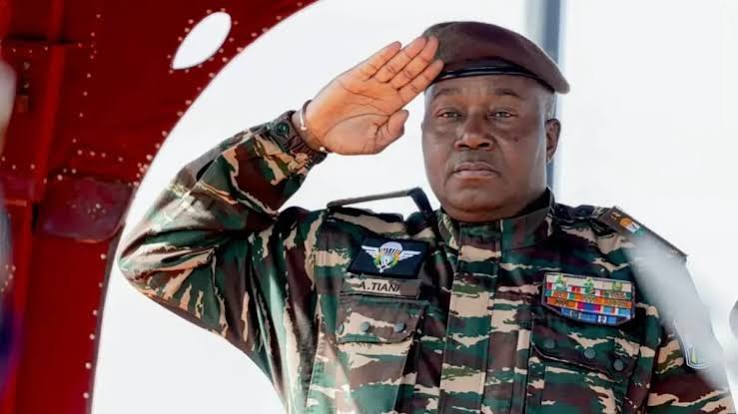
- Institutional turmoil at Sonidep: Leadership instability, highlighted by the recent dismissal of Sonidep’s director-general by General Abdourahamane Tiani, reflects deep administrative chaos and opacity in inventory management and revenue tracking.
- Geopolitical entanglements: Diplomatic strains with neighboring countries, particularly over the stalled Agadem to Sèmè-Kpodji pipeline project, have further delayed expected financial inflows, aggravating cash flow issues in the sector.
From shortages to suppression: a crisis mismanaged
Faced with a growing public outcry over both fuel scarcity and the lack of accountability in oil revenues, the transitional government has shifted from crisis management to political containment. Its restrictive measures—while framed under ‘public safety’—reveal a deeper fear: the erosion of public confidence in its ability to govern the country’s most lucrative industry.
Key restrictions imposed include:
- Overnight fuel sales bans from 9 PM to 6 AM (with limited exceptions);
- Total ban on fuel sales in jerrycans;
- Sudden halt to fuel exports imposed on October 12, ostensibly to prioritize local supply.
These actions, though presented as emergency responses, are symptomatic of a reactive leadership unwilling to confront structural deficiencies. By banning citizen demonstrations calling for transparency in oil revenue management, authorities have effectively placed the oil sector beyond public scrutiny—a dangerous precedent for any democracy, let alone one navigating a delicate transition.
The human cost of a locked fuel economy
While officials cite national security as justification for suppressing dissent, the true security risk lies in the continued erosion of public trust—and in the daily hardships faced by citizens. Families spend hours waiting for fuel. Small businesses close early. Public transportation grinds to a halt. Each day without resolution deepens resentment toward a governance system that treats oil wealth as a private asset rather than a shared resource.
The irony is stark: Niger’s oil, which should illuminate the nation, is now fuelling discontent. The protests banned on October 21 weren’t just about fuel—they were a demand for dignity, for fairness, and for a future where oil wealth translates into progress, not paralysis.
Until those in power confront the root causes of this crisis—inefficient infrastructure, opaque governance, and geopolitical isolation—they may succeed in silencing the streets, but they will never smother the truth: Niger’s oil industry is running on borrowed time.