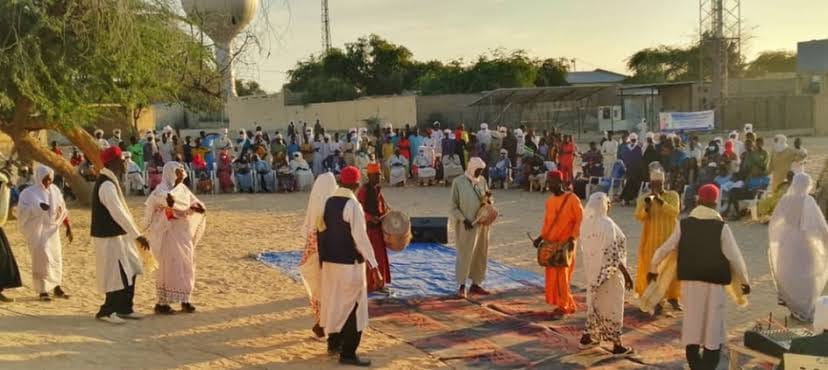
N’Djamena weddings: blending sudanese customs into chadian celebrations
Modern weddings in N’Djamena are increasingly adopting sudanese traditions, raising concerns about the preservation of chadian cultural heritage. As new customs replace age-old practices, locals question the future of their identity.
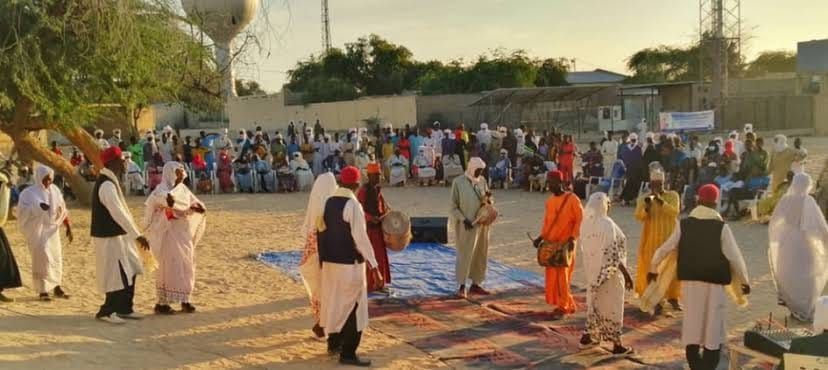
Weddings in N’Djamena are undergoing a quiet cultural revolution. What was once a distinctly chadian affair now bears striking similarities to sudanese traditions, leaving many to wonder where their own heritage fits into the new celebrations.
From chadian roots to sudanese influences
Traditional chadian weddings once centered on wisdom passed down through generations. Elders offered guidance on patience, family respect, and marital responsibilities, while the bride’s departure from her family home was marked by solemn rituals. A week later, neighbors would take on the role of mentors, helping the new bride navigate her early days in married life.
Today, the scene looks dramatically different. Grooms now receive intricate henna designs alongside their brides. They are carried in processions to the bride’s home, lifted into their arms before guests, and again when they arrive at their own residence. Days later, another event unfolds where the groom presents jewelry to his wife in front of both families. These customs, once unfamiliar in Chad, now dominate many weddings in N’Djamena.
Traditions at risk
The shift extends beyond rituals. Modern entertainment—loud music, vibrant decorations, and choreographed dances—has replaced the storytelling of griots and the rhythmic beats of traditional drums. Elders in neighborhoods like Bololo express concern that these changes are eroding the deeper meaning of marriage. As one local leader put it, “A chadian wedding used to be a classroom for life. Today, the focus is on spectacle, not wisdom.”
Voices of concern and adaptation
Maman Azma, a community leader and founder of the Lamy Fortain association, fears for the future of chadian traditions. “Our daughters recognize foreign customs but have little knowledge of the rituals their grandmothers practiced. Without transmission, these traditions will fade into history,” she warns.
Not everyone opposes change. Some younger couples embrace these new elements, viewing them as beautiful additions rather than replacements. As one groom noted, “We borrow what we love from other cultures without rejecting our own. The key is preserving what matters most in marriage.”
Balancing openness and preservation
Cultural experts argue that the solution lies not in isolation but in deliberate preservation. The challenge for N’Djamena’s communities is to integrate new influences while ensuring chadian values remain alive for future generations.
You may also like
Cameroon’s youth confront social media’s real impact in #PSE debate
Cameroun’s douala-bafoussam highway in critical condition
Gabon debates dignity after attacks on president’s mother
Chad tackles gender-based violence with new victim support mapping in N’Djamena
Rising cost of living in Chad: economist calls for market price monitoring