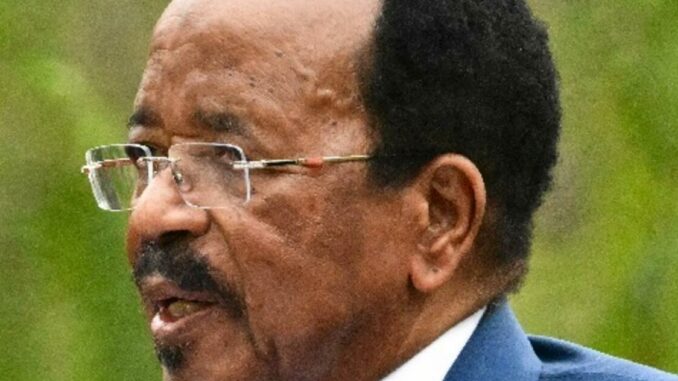
For over two months, Cameroon’s president, Paul Biya, has remained abroad following what authorities describe as a brief private trip to Europe. At 93 years old, the long-serving leader’s prolonged absence has reignited concerns about his ability to govern, especially as the country grapples with political uncertainties following recent elections.
Government officials have sought to downplay the situation, insisting that Biya continues to fulfill his duties remotely. They emphasize that no constitutional rule restricts the duration of a president’s stay abroad, and claim that state affairs are being managed smoothly. Yet, their reassurances have done little to quell growing skepticism among both citizens and political observers.
The opposition has been particularly vocal. Maurice Kamto’s Movement for the Renaissance of Cameroon (MRC) has criticized the lack of transparency, arguing that Cameroonians deserve clarity on the president’s health and capacity to lead. The group contends that the secrecy surrounding Biya’s absence only deepens public distrust rather than dispelling it.
Other critics focus on institutional weaknesses rather than the president’s absence itself. Cabral Libii, leader of the National Council for the Renaissance of Cameroon (PCRN), suggests that the real issue lies in the gaps within Cameroon’s governance framework. He believes upcoming legislative and municipal elections in early 2027 could serve as a catalyst for institutional reforms.
With Paul Biya set to begin a new term in just eight months, his prolonged absence has brought long-standing questions about governance, succession, and transparency back to the forefront. More than a debate over a presidential trip, this situation underscores the vulnerabilities of a political system that has revolved around a single leader for over four decades.
You may also like
Northern Niger’s unanswered question: can Tiani’s government deliver water and power where it matters most?
Can Air Sénégal survive the Interpol smuggling probe? The stakes for crew, passengers and the airline’s future
As donor fatigue spreads, can Benin’s €544,042 UNAIDS pledge keep the HIV response on track?
Who pays the price when Burkina Faso’s public payroll contracts? Households weigh the cost of 1,917 fewer agents
Libya pushes for direct Tripoli-Yaoundé flights as Cameroon sets up working groups