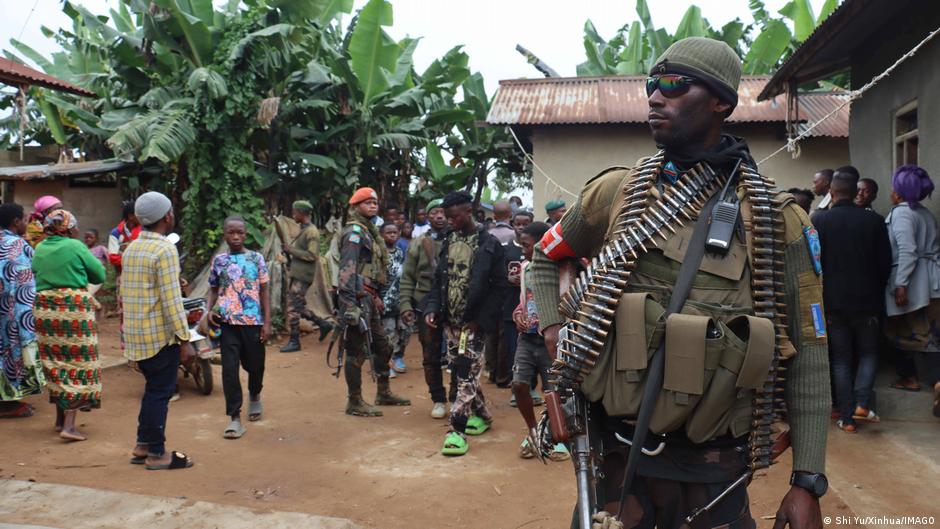
The Congolese military has taken a decisive step to enhance operational security by banning soldiers from using smartphones during missions. This bold measure aims to address critical vulnerabilities exposed in recent engagements across eastern Democratic Republic of Congo (DRC).
Army leadership highlights the risks associated with smartphone use, including the inadvertent disclosure of troop movements, positions, and operational details that could compromise entire units. Recent viral videos have shown soldiers capturing battlefield footage—both victories and retreats—along with logistical complaints, inadvertently broadcasting sensitive information to potential adversaries.
Why the ban is essential
A veteran sub-lieutenant, speaking anonymously due to security concerns, shares his perspective on operating in South Kivu’s Uvira-Fizi zone: “I’ve always carried my phone to stay in touch with my family back home. In a war zone, every second counts—knowing I’m alive matters to them. While the command prohibits phone use, we’ll comply, but we hope leadership addresses the flawed strategic retreats that undermine our efforts.”
Interim FARDC spokesperson Lieutenant-Colonel Mak Hazukay emphasizes the gravity of the threat: “Even an active phone signal can betray a soldier’s location, turning a device meant for communication into a homing beacon for enemy fire. Troops must avoid sharing positions, movements, or mission details—whether on social media or through messaging apps.”
Impact on national security
Civil society leaders, like Kelvin Bwija of the Congolese Civil Society Organization (Socico) in Uvira, view the ban as a pivotal move to curb internal betrayals. “This declaration deserves applause. Some soldiers were reportedly using phones to coordinate with RDC enemies and relay tactical instructions. As civil society, we fully support this military directive.”
Human rights advocate Maître Aimé Bisimwa acknowledges smartphones’ role in daily life but stresses unconditional obedience to military orders: “This isn’t a violation of communication rights. Soldiers worldwide must operate discreetly to deny enemies critical intelligence. Regardless of circumstances, they swore to serve under the flag—even at the ultimate cost.”
Ongoing conflict in South Kivu
Meanwhile, clashes rage across villages in Mwenga and Fizi territories, where the AFC/M23–Twirwaneho rebel coalition—backed by Rwanda per UN reports—faces off against the FARDC-Wazalendo alliance, supported by Burundi. The smartphone ban reflects broader efforts to tighten operational secrecy in one of Africa’s most volatile regions.