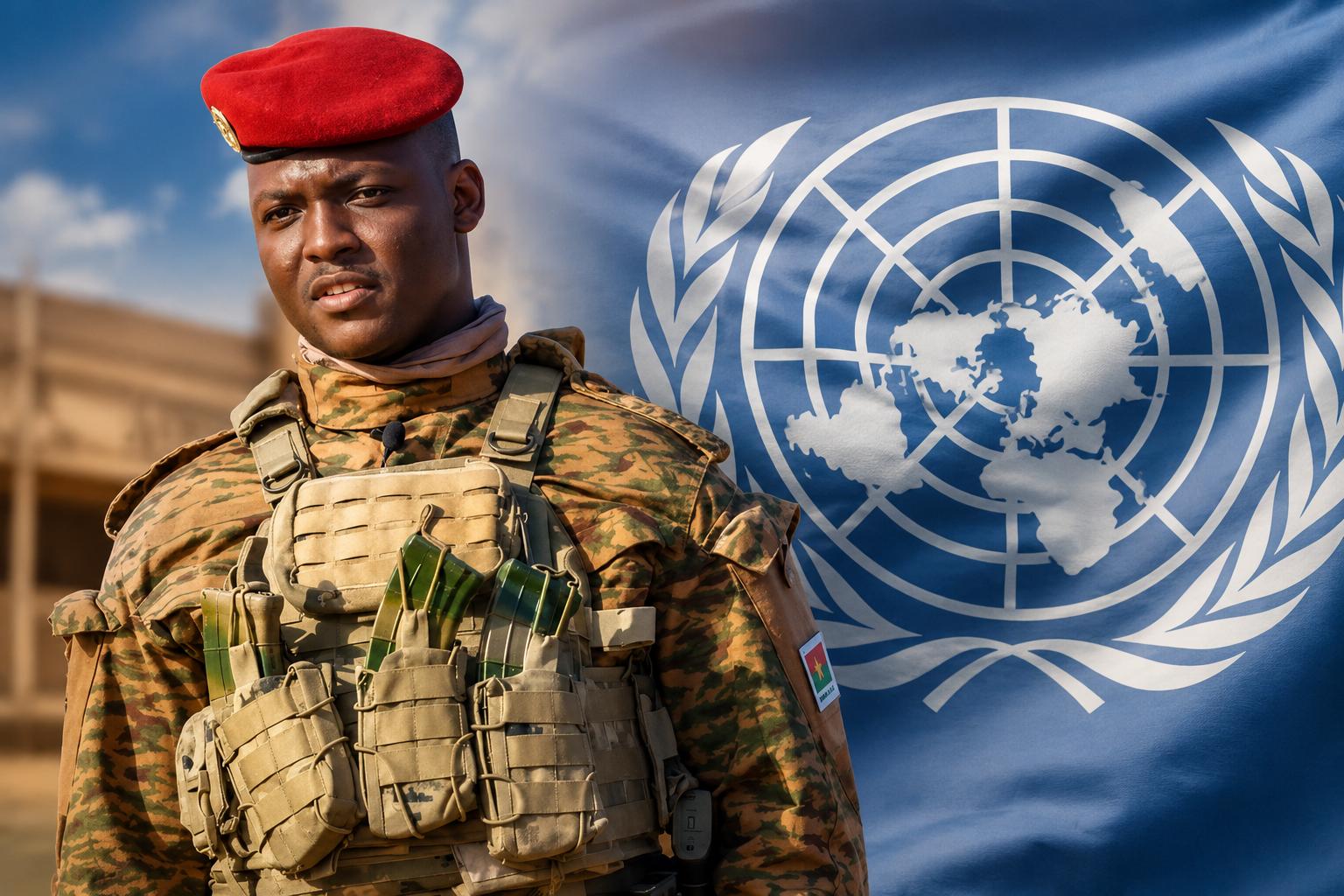
The Burkina Faso of today is trapped in an unprecedented international isolation, and the architect of this diplomatic disaster is none other than the coup leader, Captain Ibrahim Traoré. By forcing the United Nations human rights office to leave the country, the transitional leader has crossed a red line, cementing a governance style defined by relentless suspicion and an outright rejection of transparency.
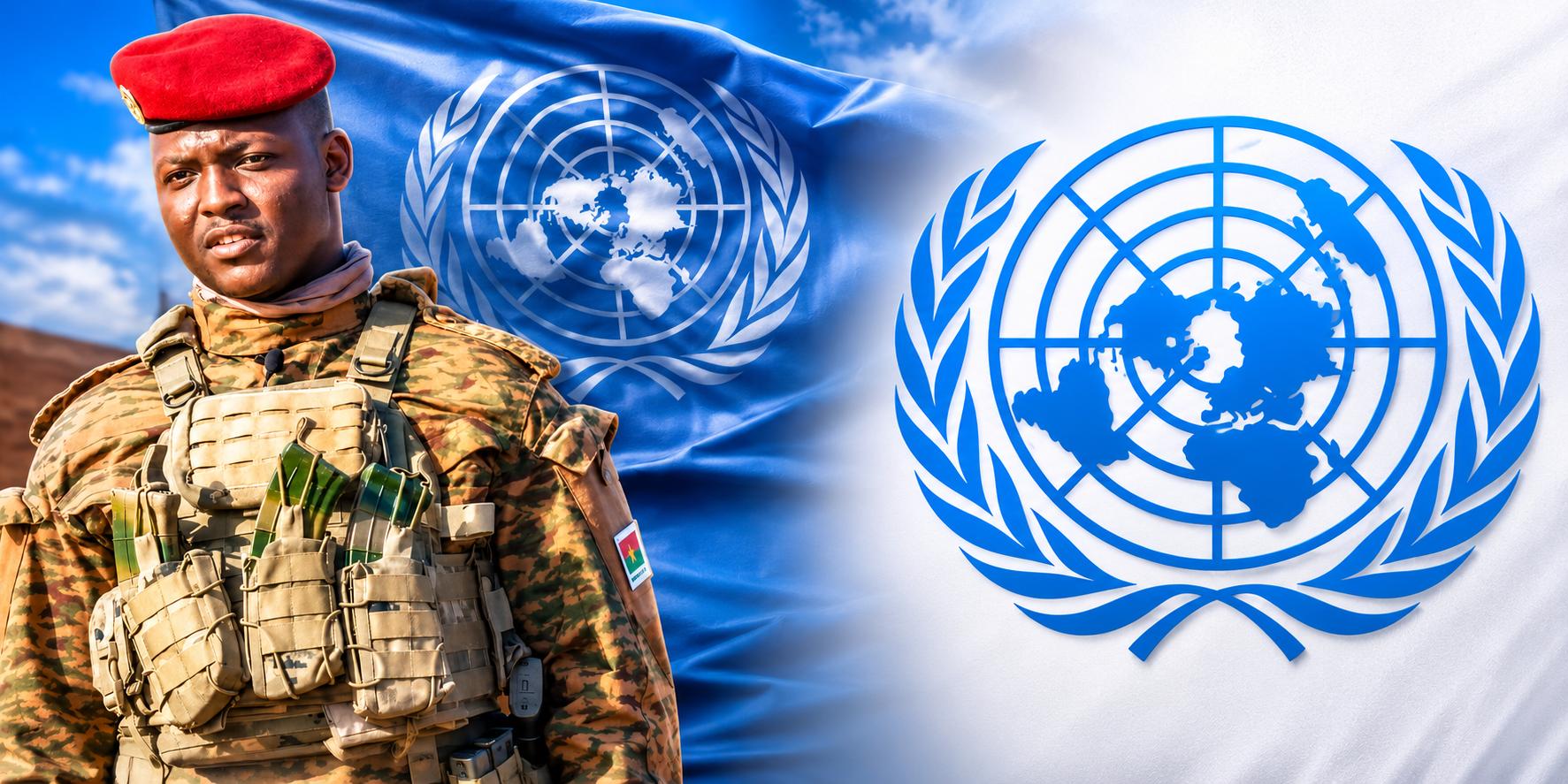
Since seizing power in a September 2022 coup, Captain Traoré has systematically turned the Burkinabè people’s legitimate demand for sovereignty into a scorched-earth diplomatic strategy. His approach is not a series of missteps—it is a deliberate pattern of exclusion and control.
The calculated withdrawal from global engagement
The expulsion of the UN mission was not an isolated event; it is the latest step in a long chain of decisions designed to sever Burkina Faso’s ties with its historical partners. This policy of self-isolation stems from a deep-seated fear of accountability:
- CEDEAO rupture: The abrupt break with the Economic Community of West African States (CEDEAO) was orchestrated from the highest levels of government.
- Media crackdown: Independent journalists—both local and foreign—face immediate silencing or suspension at the slightest sign of dissent.
- Targeting domestic watchdogs: The National Human Rights Commission (CNDH) was first undermined before the UN office became the next target.
By systematically eliminating independent observers, Ibrahim Traoré seeks to monopolize the national narrative. Any documentation of human rights abuses, military failures, or civilian suffering is instantly dismissed as “treason” or “foreign interference.”
Consequences of a leadership built on distrust
This hyper-personalized and impulsive rule has pushed Burkina Faso into a precarious position. By severing ties with the United Nations and announcing withdrawal from the International Criminal Court (ICC), Captain Traoré not only shirks international responsibility—he betrays his own people. Denying the army and civilian defense volunteers (VDP) access to UN expertise in international humanitarian law is not just a strategic blunder; it is a political gamble that risks emboldening impunity on the ground.
Such actions risk turning civilian populations against the state, ultimately playing into the hands of armed groups. In his quest to shield Burkina Faso from external influence, Ibrahim Traoré has instead locked the nation into a political and humanitarian dead end. True sovereignty is not a license to govern in secrecy or above the law—it is accountability to the people it serves.