diplomatic thaw between Mali and Algeria sparks hope for regional stability
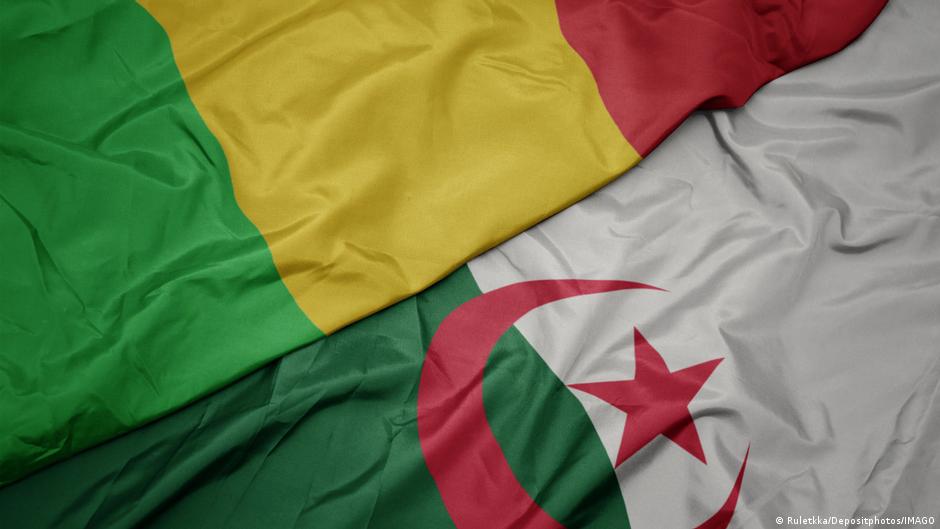
13 july 2026Relations between Mali and Algeria have taken a decisive turn in recent months, marking the end of prolonged diplomatic friction. The turning point came in late March 2025 when a Malian drone was shot down near the border crossing at Tinzawatene—a flashpoint that pushed Bamako to escalate tensions by accusing Algiers of “meddling and collaborating with armed factions.“
Tensions had been simmering since January 2024, when Mali’s transitional authorities abandoned the 2015 Algiers Peace Accord, opting instead for a military solution to reclaim the northern regions, particularly Kidal. Officials in Bamako later accused Algeria of harboring former leaders from the Kidal rebellion and prominent religious figures like Imam Mahmoud Dicko—once a key figure in the downfall of former President Ibrahim Boubacar Keïta and now estranged from Mali’s military leadership.
Deep-rooted ties
Boubacar Mahamane Maiga, coordinator of Une Voix pour Tombouctou, a civil society group based in northern Mali, welcomes the thaw. He emphasizes that the relationship between Mali and Algeria transcends politics. “These are age-old ties, rooted in brotherhood. Algeria has long been the lifeline for Tombouctou’s economy. Historically, the region’s thriving commerce relied on trans-Saharan caravan routes passing through Algerian territory. Even today, spices like Tawabel and onions from Touat in Algeria remain staples in Tombouctou, a legacy linked to spiritual leaders such as Cheick Abdoul Kassim Attouaty, one of the 333 saints of the city.
Security and collaboration
Political analyst Kaou Abdrahamane Diallo sees the warming relations as a gateway to enhanced regional security. “Mali cannot afford porous borders or instability in its northern territories. We hope Algeria and other partners will embrace this thaw to restore the strong, peaceful ties of the past. Algeria has been a steadfast ally, and Mali values its support in return.” He adds that behind-the-scenes mediation by Russia, particularly through Foreign Minister Sergei Lavrov, played a pivotal role in bridging the divide. “Moscow recognizes the importance of maintaining cohesion among allies to preserve stability across the Sahel,” he notes.