In February 2026, Bamako dismissed as “fabricated” rumors of its ambassador’s imminent return to Algiers. By July 10, that same return became official—a dramatic reversal driven by the escalating security crisis in northern Mali. The shift also reflects Algeria’s strategic outreach to Niamey and Ouagadougou, despite Bamako’s initial resistance.
On February 19, Mali’s foreign ministry issued a stern denial. Social media claims suggested the ambassador would soon resume duties in Algeria, supposedly following mediation by Niger. Bamako dismissed these reports as “wholly false and baseless”, accusing unidentified actors of attempting to sow division. The message was clear: Mali refused to be seen aligning with Niger, which had just restored ties with Algeria.
Breaking point in the north
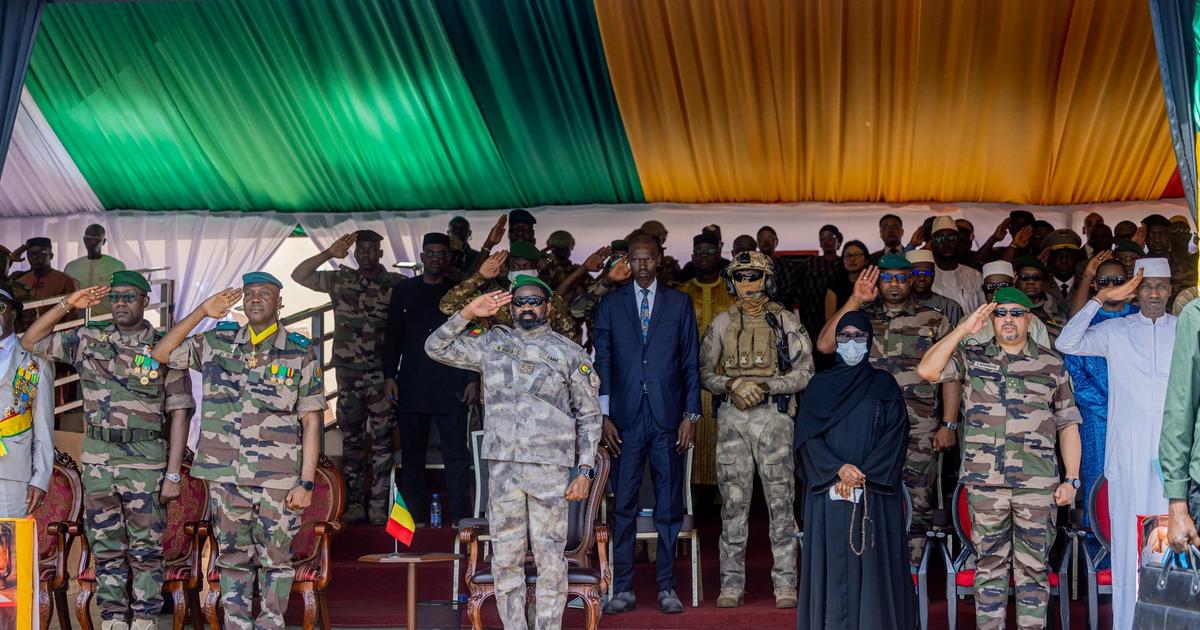
The about-face on July 10 came via communiqué no. 2026-003, announcing Bamako’s decision to reinstate its ambassador in Algiers and reopen its airspace to Algerian civilian and military flights. This followed Algeria’s own move to lift restrictions on Malian aircraft. Hours later, Algiers confirmed its ambassador would return to Bamako—effectively ending over a year of frozen diplomatic relations.
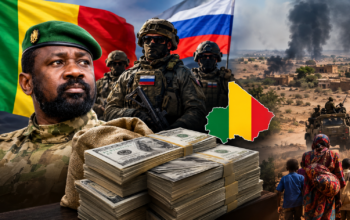
The catalyst? A dramatic shift in northern Mali’s conflict dynamics. Since April 25, 2026, coordinated offensives by the predominantly Tuareg Azauad Liberation Front (FLA) and the Group for the Support of Islam and Muslims (JNIM)—affiliated with Al-Qaeda—have united against a common foe: Mali’s transitional junta and its Russian Africa Corps allies. The fighting claimed the life of Mali’s Defense Minister, Sadio Camara, and thrust Kidal back into the heart of the crisis.
Pressure intensified on July 4 with simultaneous attacks on Gao, Anéfis, Aguelhok, Sévaré, and Kéniéroba. A prison in Kéniéroba, 60 kilometers from Bamako, was targeted. The fiercest clashes centered on Anéfis, a strategic crossroads between government-held Gao and rebel-controlled Kidal. Losing Anéfis would have crippled Bamako’s access to the northeast.
Malian forces, backed by Africa Corps mercenaries, later claimed to have broken the siege around Anéfis after reinforcements arrived from Gao. The FLA acknowledged a withdrawal but framed it as a tactical retreat. While battlefield claims remain unverifiable, Bamako’s northern front remains under severe strain.
1,400 kilometers of shared vulnerability
This is where Algeria’s role becomes critical. The two nations share a 1,400-kilometer border, much of it cutting through the vast Sahara where Tuareg and jihadist groups operate. Controlling this terrain without Algerian cooperation is impossible.
Algiers has long been Mali’s primary mediator, notably brokering the 2015 Algiers Peace Accord between Bamako and the Coordination of Azawad Movements (CMA). However, the junta denounced the accord in January 2024, triggering a downward spiral that culminated in April 2025 when a Malian drone was shot down near Tin Zaouatine, a border town. The incident led to mutual ambassador recalls and airspace closures.
Despite the military deadlock, Algeria remains the only neighbor capable of influencing northern Mali’s balance of power. By reopening diplomatic channels, Bamako gains a crucial partner it can no longer afford to ignore.
Bamako joins Niamey and Ouagadougou
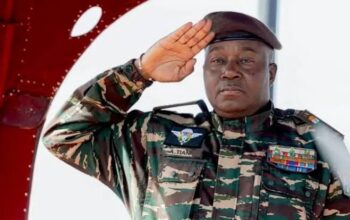
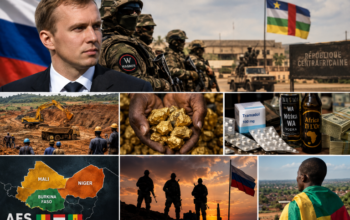
Mali had become the odd one out in the Sahel States Alliance (AES). Niger had already restored ties in February, with Algerian mediation facilitated by General Abdourahamane Tiani. Burkina Faso, meanwhile, had pursued economic rapprochement with Algeria in hydrocarbons, energy, and mining. Until July 10, Bamako stood alone in its adversarial stance toward Algiers.
This isolation proved unsustainable. The AES emphasizes solidarity, yet all three members face persistent insecurity, growing dependence on external partners, and the need to reopen regional channels. For Niamey and Ouagadougou, Algeria’s influence extends beyond borders—into security and energy. Bamako’s decision to realign reflects this reality.
From Algiers’ perspective, the thaw validates a patient strategy under President Tebboune. Rather than forcing Bamako’s hand, Algeria first restored ties with Niamey, then deepened engagement with Ouagadougou. In April, Foreign Minister Ahmed Attaf reaffirmed Algeria’s support for Mali’s territorial integrity and rejection of terrorism. By early May, Tebboune signaled Algiers’ readiness to assist—provided Bamako requested it. The ambassadorial returns now provide a formal framework for this cooperation.
By accepting Algeria’s olive branch amid ongoing military pressure, Bamako implicitly acknowledges that it cannot resolve this crisis alone—or solely through force. February’s denial reflected a defiant posture; July’s communiqué reveals its limits.