Is Chad’s transitional leader truly charting an independent path?
Since seizing power in April 2021, Mahamat Idriss Déby Itno has repeatedly positioned himself as a champion of sovereignty for Chad. His rhetoric has resonated across the Sahel, where anti-French sentiment runs deep. Yet skepticism persists: is his nationalist posturing genuine, or merely a carefully crafted facade to consolidate power?
Recent diplomatic moves suggest a nuanced strategy. While Déby has forged closer ties with Burkina Faso’s Ibrahim Traoré and Mali’s Assimi Goïta—both vocal critics of former colonial power France—his alliances extend beyond the Sahel. His engagements with the United Arab Emirates and interactions with Western leaders like Emmanuel Macron paint a more complex picture.
Defining sovereignty in the Sahel
The concept of sovereignty in Chad today is deeply intertwined with regional dynamics. The Alliance of Sahel States—comprising Burkina Faso, Mali, and Niger—has emerged as a symbol of resistance against external interference. Déby’s alignment with this bloc has amplified his nationalist credentials, but questions linger about the true extent of his independence.
Analysts point to two key factors shaping his approach: domestic pressure and geopolitical realities. On one hand, public fatigue with foreign influence demands visible defiance. On the other, Chad’s economic and security dependencies—particularly on France—create practical constraints. How Déby balances these forces could redefine Chad’s role in the region.
Economic realities vs. nationalist rhetoric
Chad’s economy remains heavily reliant on French-backed institutions like the Central African Economic and Monetary Community. Déby’s government has yet to propose credible alternatives to this framework. Meanwhile, his administration continues to negotiate with international partners, including the UAE, for investment in critical sectors such as oil and infrastructure.
The contradiction is stark: while Déby denounces foreign interference, his policies often replicate the very dependencies he claims to reject. This duality raises a critical question: can a leader truly champion sovereignty when his country’s survival hinges on foreign support?
International reactions: praise or skepticism?
Western governments have cautiously welcomed Déby’s overtures, seeing in him a potential partner in counterterrorism efforts. However, civil society groups and opposition figures in Chad remain unconvinced. They argue that his nationalist rhetoric masks a reluctance to address systemic issues, such as corruption and weak governance.
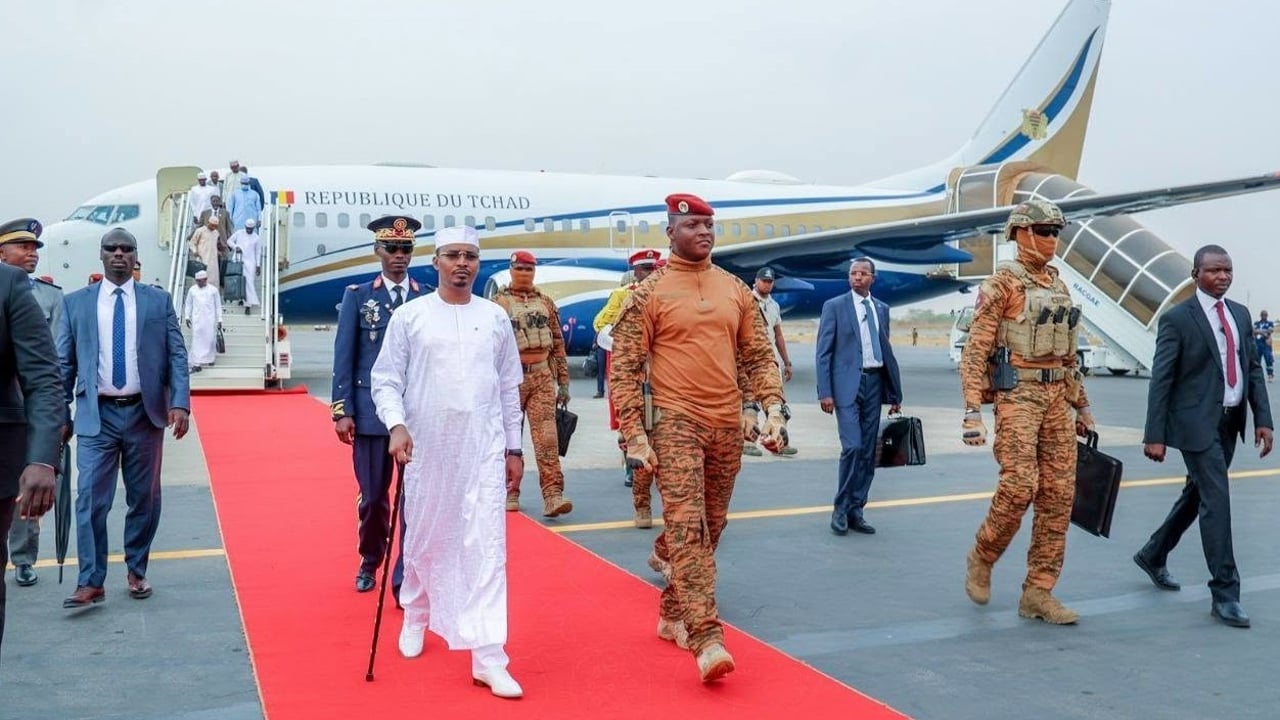
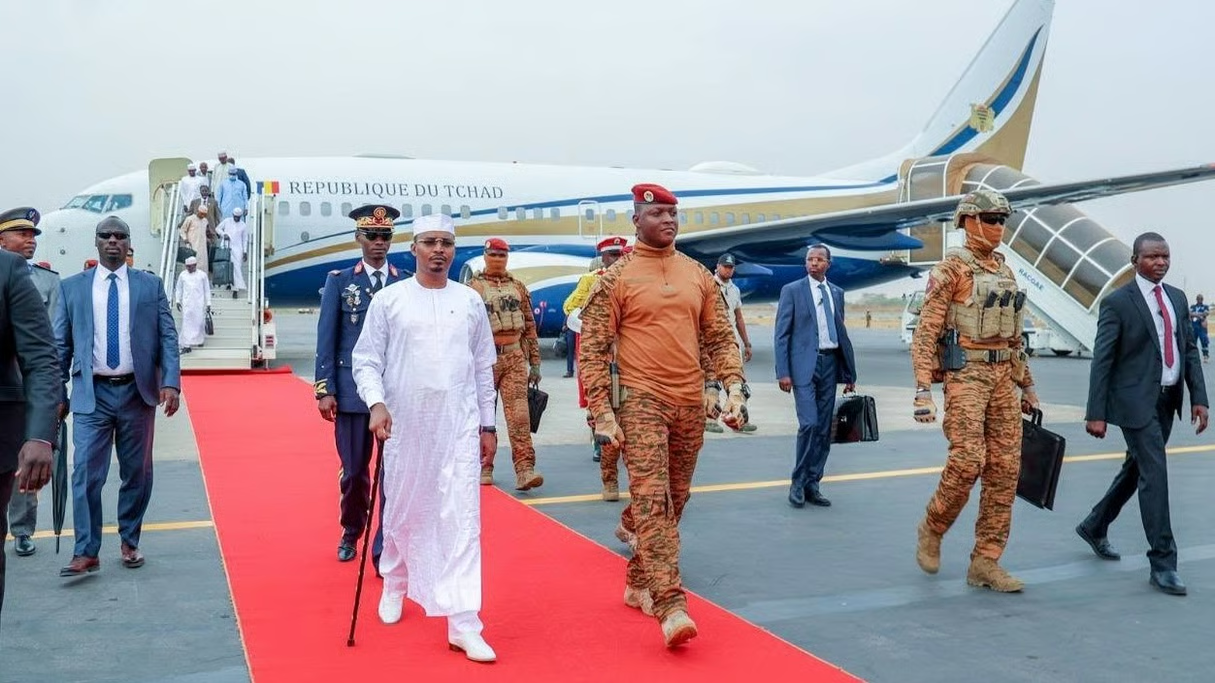
The recent visit to Ouagadougou, where Déby was received by Traoré, underscored his commitment to regional solidarity. Yet, it also highlighted the challenges of translating rhetoric into action. Without tangible steps to reduce foreign influence, Déby’s claims of sovereignty may struggle to gain broader credibility.
What’s next for Chad’s leader?
The coming months will be pivotal. If Déby doubles down on anti-Western alliances while failing to deliver economic reforms, his nationalist image could fracture. Conversely, if he leverages regional partnerships to reduce dependency on France, his strategy might gain traction.
One thing is clear: Chad’s future—and Déby’s legacy—will hinge on his ability to navigate these competing pressures. Whether his sovereignty narrative withstands scrutiny may well determine his political survival in a region where trust in leaders is increasingly fragile.