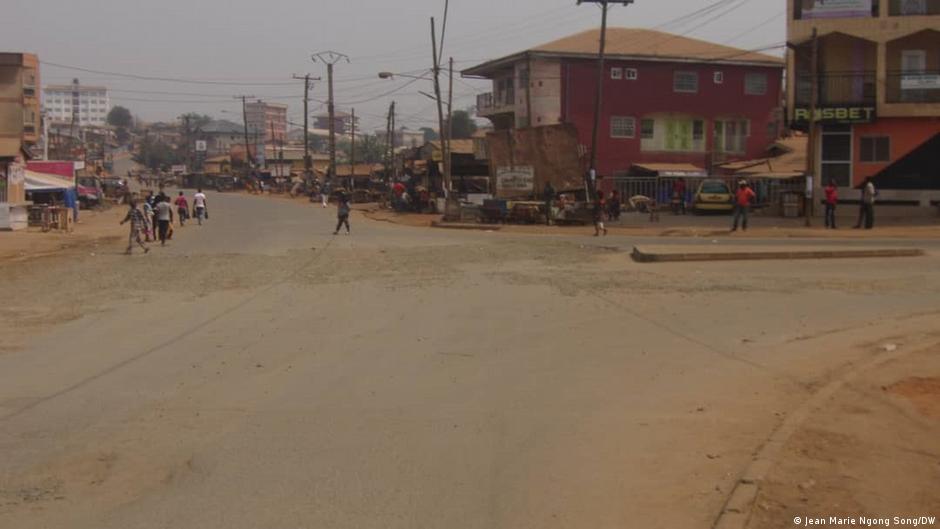
Cameroon’s douala-bafoussam highway: a deadly corridor in desperate need of repair
todayStretching 250 kilometers across Cameroon’s economic landscape, the national road 5 connects Douala, the country’s bustling commercial capital, to Bafoussam and beyond to Bamenda in the anglophone northwest. Once an efficient thoroughfare, this vital artery now bears the grim distinction of being one of the deadliest roads in west africa.
The road’s rapid deterioration stems from relentless commercial traffic, decades of neglected maintenance, and increasingly severe climate impacts. Heavy downpours erode the asphalt, while unstable terrain in the western region accelerates structural collapse.
Journey through chaos on Cameroun’s most dangerous road
Travelers boarding intercity buses from Douala to Bafoussam know to brace themselves for an ordeal. Torrential rains flood the highway, washing away pavement and carving deep potholes the size of craters. What was once a three-and-a-half-hour trip now demands grueling ten-hour marathons across broken asphalt.
Bus drivers frequently detour onto alternate routes, adding hours to journeys and extending physical strain on passengers. Alice, a traveler from Bafoussam, shared her harrowing experience: “We left Bafoussam fourteen hours ago. The main road through Haut-Nkam is completely impassable. We had to take the route to Yaoundé, even though our destination is Douala, then turn off at Bagangté to rejoin the axis toward the coast. We’re exhausted, aching from head to toe.”
The death triangle: where every journey ends in tragedy
The western highlands’ steep slopes and fragile geology make this corridor exceptionally vulnerable. On november 5, 2024, a catastrophic cliff collapse near Dschang swallowed buses and cars, claiming fourteen lives and exposing the road’s fatal flaws.
Nicknamed the “triangle of death,” the Douala–Yaoundé–Bafoussam loop is estimated to claim nearly one hundred lives each month. Travelers describe arriving at their destinations as a painful relief. One anonymous passenger summed up the collective frustration: “I arrived in Bafoussam at 2 a.m. this morning after what felt like an eternity. Even if it means paying double the fare, rerouting via national road 3 to Yaoundé, then taking national road 6 to Douala, would spare countless travelers ten or eleven hours of agony—and the risk of ending up in pieces.”
Government pledges billions, but travelers demand action
The cameroonian government has announced a 180 billion cfa franc rehabilitation plan for the national road 5. Yet frustration simmers among commuters who continue to pay tolls on a road that resembles a gravel pit more than a highway. Mika Séma, a local transporter, voices the community’s outrage: “We pay tolls to maintain roads, not to drive on them in their current state. If the road isn’t drivable, why should we keep paying? The government must act—urgently—to restore this vital link.”
With climate patterns intensifying and no major repairs in sight, the national road 5 remains a ticking time bomb for travelers, threatening to add more names to Cameroon’s grim road fatality statistics.
You may also like
Cameroon’s youth confront social media’s real impact in #PSE debate
Gabon debates dignity after attacks on president’s mother
Chad tackles gender-based violence with new victim support mapping in N’Djamena
Rising cost of living in Chad: economist calls for market price monitoring
Benin traditional leaders: trusted figures but urged to stay out of politics