Spain demands explanation from Morocco over disputed cities
The controversial remarks by Morocco’s Justice Minister Abdellatif Ouahbi regarding the status of Ceuta and Melilla have reignited tensions with Spain, prompting urgent political reactions in Madrid.
Par
14 August 2026 | 2-minute read
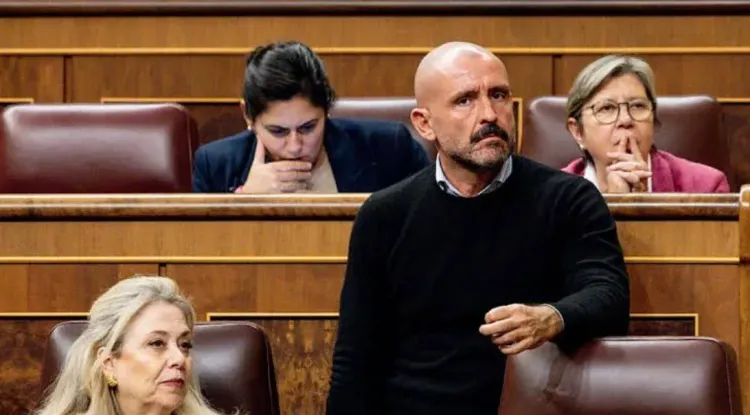
Jaime de los Santos
In an August 12 interview with Asharq Bloomberg, Mr. Ouahbi reiterated Morocco’s longstanding position that the two Spanish enclaves are Moroccan territories, stating that the issue remains “on the table” within a framework of dialogue and patience. He also criticized Spain’s handling of the late July migration crisis, particularly regarding the repatriation of unaccompanied Moroccan minors, and dismissed Morocco’s role as Europe’s migration police.
Reacting swiftly, Spain’s opposition Popular Party (PP) has demanded that the government summon Morocco’s ambassador for urgent consultations. The move comes as Madrid faces mounting pressure to respond to both the renewed territorial dispute and the recent border surge at Ceuta.
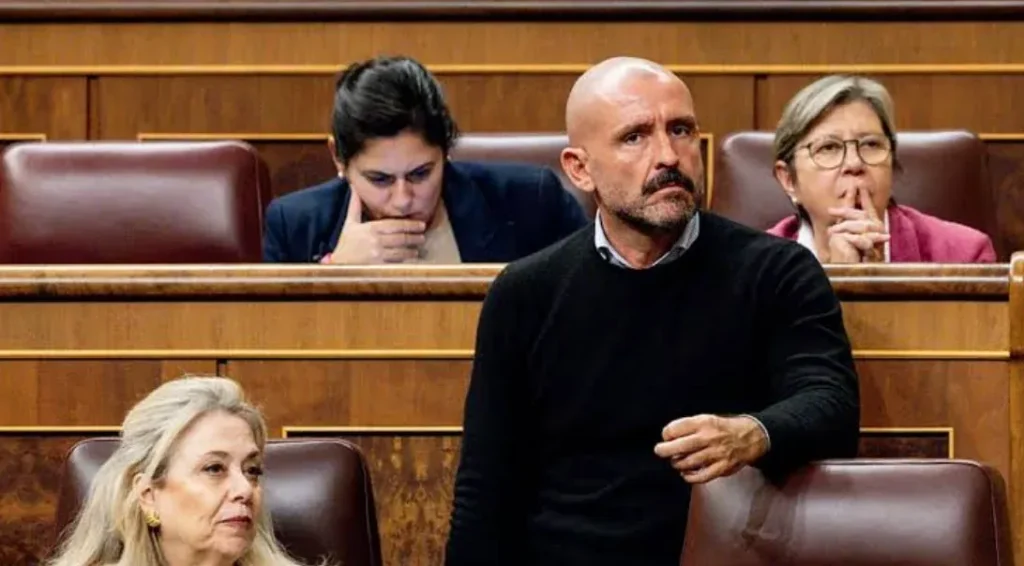
During a visit to Barcelona, PP lawmaker Jaime de los Santos drew parallels with Italy’s suspension of the Schengen Agreement, questioning why Spain had not taken similar action against Morocco despite the mass migrant crossings and Ouahbi’s provocative remarks about Spanish sovereignty over Ceuta and Melilla.
The PP has escalated its demands by submitting formal parliamentary questions to Spain’s Minister of the Presidency and Justice, Félix Bolaños. The inquiries seek clarification on all recent communications between Madrid and Rabat following the migration crisis, as well as the government’s response to Ouahbi’s statements about the enclaves’ status.
The conservatives have also raised concerns about a potential Moroccan threat to suspend the extradition treaty between the two countries—a treaty the PP argues is vital for managing the return of individuals who crossed the border fences.
The diplomatic standoff shows no signs of resolution, with Spain’s opposition using the controversy as a political tool against the government, while Prime Minister Pedro Sánchez’s administration has so far resisted calls for a firm response.
You may also like
Can OL Lyonnes still top the group after Chelsea stalemate?
Can Togo’s mediation still deliver peace in eastern DRC after Tshisekedi’s latest letter to Gnassingbé?
Mali: did the JNIM ambush on Africa Corps near Niono expose a fatal gap in Russia’s Sahel strategy?
Will Mali’s 73.6 million dollar funding gap decide the fate of millions by 2027?
Guinea-Bissau’s December 2026 vote: can Embaló return legally, and can the result ever be trusted?