Benin’s port training gamble: can Luxembourg’s 9.8 billion FCFA deliver real jobs?
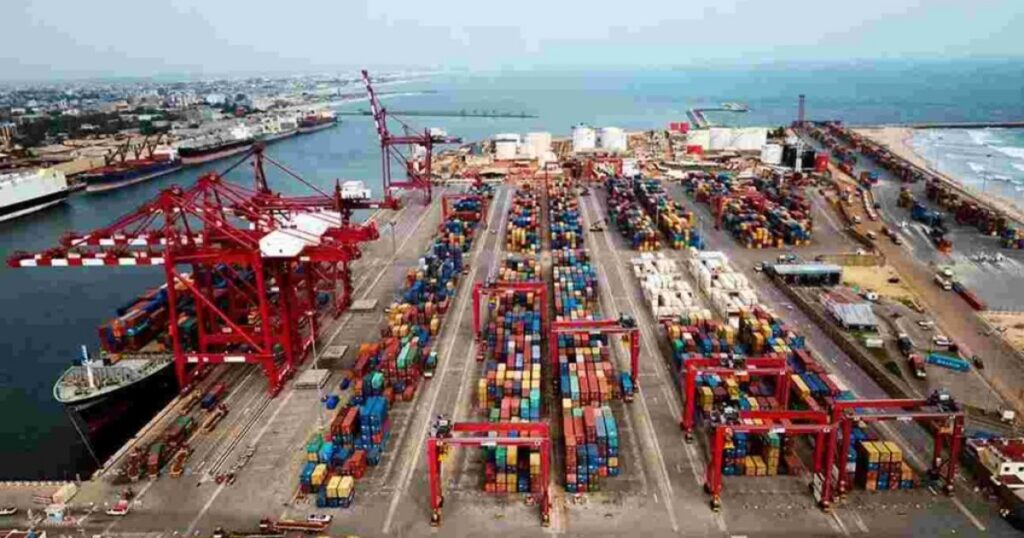
What does it actually take to turn a financing pledge into a working pipeline of port skills? That is the question hanging over CAP-PORT, the new Benin-Luxembourg scheme that commits 15 million euros — just over 9.8 billion FCFA — to vocational training for port and logistics trades. The protocol was signed in New York on the sidelines of the 81st United Nations General Assembly, and while the headline figure is clear, the operational details remain largely unanswered.
Who stands to benefit from the CAP-PORT protocol?
According to the Beninese government, the programme targets young people and women aged 18 to 35 who are looking for work, along with low-skilled individuals and existing workers who want to refresh their competencies. The stated aim is twofold: strengthen the training offer and improve insertion into port and logistics activities. The initiative is also expected to rely on a dedicated space for developing these skills.
What will the training actually cover?
The announced curriculum spans several practical areas. Trainees are expected to learn how to operate and maintain handling equipment and vehicles, with safety and documentary compliance also on the agenda. Digital systems used in port operations form another pillar of the programme. Together, these modules are designed to match the day-to-day demands of a modern port environment.
Who signed, and what does the money represent?
For Benin, the protocol was signed by Hugues Oscar Lokossou, Minister of Economy and Finance responsible for mobilising external resources and managing debt. For Luxembourg, Vice-Premier Minister Xavier Bettel signed the agreement. The government estimates the active portfolio of bilateral cooperation at around 95 million euros, meaning the CAP-PORT envelope accounts for nearly 16% of that total.
The unanswered questions: timeline, beneficiaries and disbursement
What the official publication does not specify is just as important as what it does. There is no confirmed number of beneficiaries, no location for the future training facility, no start date, no course duration and no disbursement schedule. In other words, the signature establishes a funding commitment — it does not demonstrate that the full 15 million euros has already been paid out.
- Beneficiary numbers: still unspecified
- Training site: location not yet announced
- Start date and course length: not disclosed
- Disbursement calendar: undefined
For now, CAP-PORT remains a promise with a price tag. The real test will come when the first trainees walk through the door — and when the first tranche of funding actually moves.
You may also like
Senegal’s December 2, 2026: will Diomaye Faye dissolve parliament or play the long game?
Senegal’s 2026 budget revision: can Dakar still rescue its growth and investment agenda?
Senegal’s 2026 revised budget: a trap vote for Pastef or a necessary evil?
Burkina Faso’s armored vehicles: can Faso Armored’s 300-unit claim survive the scrutiny?
Can Senegal and Azerbaijan turn a New York memorandum into a lasting political partnership?