File generated on

Morocco’s Azrou college: from French colonial project to berber elite incubator
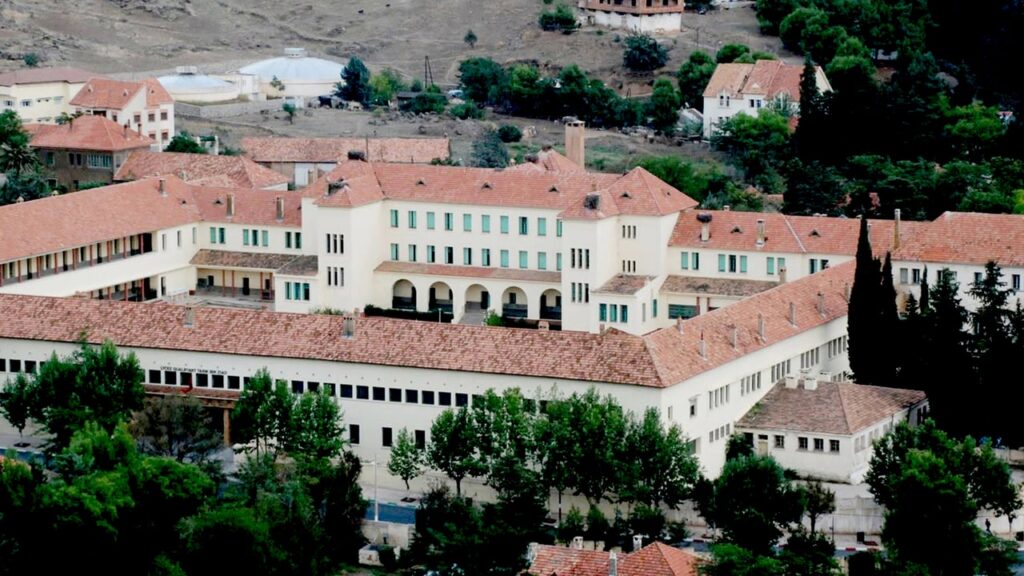
Conceived by French colonial authorities as the cornerstone of a ‘Berber Policy’ in Morocco, Azrou college was designed to groom a francophone Amazigh elite, loyal to the protectorate, distant from nationalist hotspots like Fès and Rabat, and groomed for civil service or military careers. History, however, took a different turn. Its alumni included independence activists, cabinet ministers, provincial governors, judges—and thirteen generals. Some served King Mohammed V and Hassan II, while others were swept up in the 1971 and 1972 coups. Drawing on Mohamed Benhlal’s research in ‘Le collège d’Azrou: une élite berbère civile et militaire au Maroc, 1927-1959’ and firsthand accounts from former students, we revisit one of Morocco’s most remarkable elite-training institutions—and the political ambitions that ultimately failed.
From colonial blueprint to national awakening
When French authorities established the Collège Berbère d’Azrou in 1927, their goal was clear: create a cadre of Amazigh leaders fluent in French, aligned with colonial goals, and ready to staff the protectorate’s bureaucracy and security apparatus. Located in the Middle Atlas town of Azrou, the school was meant to counter the influence of nationalist movements centered in cities like Fès and Rabat.
Unexpected graduates: rebels and rulers
Yet the college’s graduates defied expectations. Among them were future heads of state, cabinet members, and high-ranking military officers. Thirteen alumni rose to the rank of general, serving both Mohammed V and Hassan II. Others became key figures in the struggle for independence, while some were implicated in the failed 1971 and 1972 coups against the monarchy.
The paradox of Azrou’s legacy
The college’s story is one of irony. Designed as a tool of colonial control, it inadvertently became a breeding ground for Morocco’s future leaders—many of whom played pivotal roles in shaping the nation’s post-independence trajectory. Today, the institution, now known as Lycée Tarik Ibn Ziad, stands as a symbol of resilience and transformation.
You may also like
Gabon’s poultry import ban: inside the 2027 sovereignty gamble
Mali’s 66th independence anniversary: a national celebration with implications for the AES
Mali: assimi goïta’s army confronts repeated battlefield losses
Niger : l’écart entre le discours sécuritaire du CNSP et la réalité des zones exposées
Niger: the double silence at the heart of power