
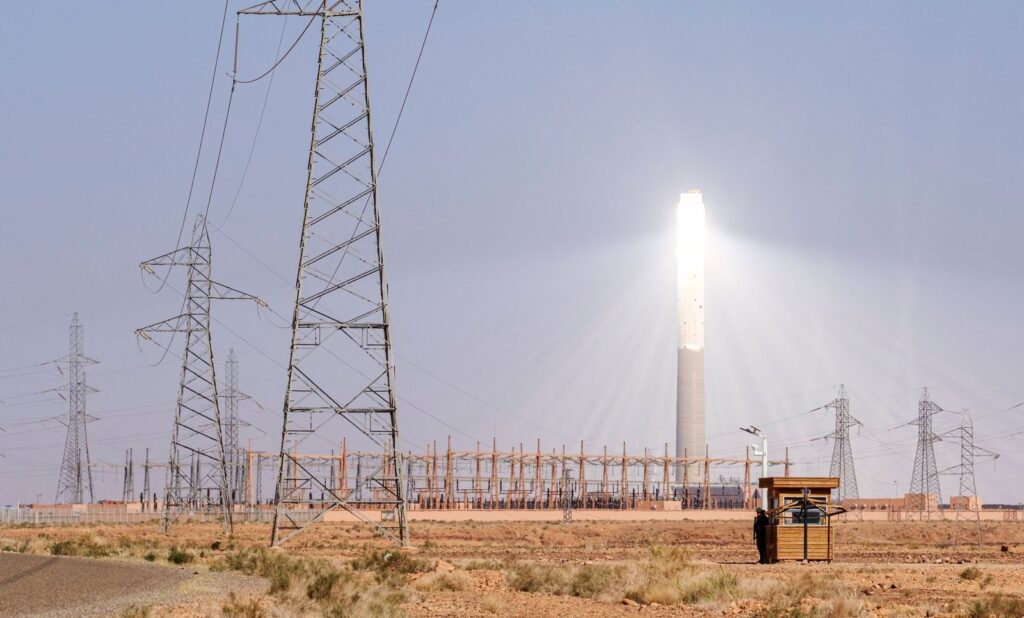
The first Algerian-Nigerien solidarity power plant has been officially commissioned at Gorou Banda, on the outskirts of Niamey. The ceremony was led by Niger’s Prime Minister Ali Lamine Zeine and his Algerian counterpart Sifi Ghrieb. This infrastructure represents the first concrete result of energy agreements between Algiers and Niamey, emerging during a period of shifting alliances across the Sahel. More than just a symbolic gesture, the project addresses the persistent electricity shortages that hamper the Nigerien economy and the daily lives of residents in the capital.
Strategic energy partnership takes root at Gorou Banda
The Gorou Banda site, already a hub for critical electrical infrastructure south of Niamey, is now the centerpiece of a new diplomatic chapter between these two neighbors. Both Prime Ministers attended the event to celebrate a project framed as a gesture of solidarity from Algiers. For the Nigerien government, which has been managing a transition since July 2023, this facility provides a practical solution to the intense pressure on the national power grid.
Niger has long relied on imported electricity, particularly from Nigeria. However, these supplies were interrupted following sanctions imposed by the Economic Community of West African States (ECOWAS) after the change in government. Diversifying energy sources has become a vital strategic goal for Niamey. This new plant is a key part of securing the national supply, working alongside existing thermal and solar production initiatives.
Algiers expands its diplomatic reach in the Sahel
For Algiers, this move is part of a broader strategy to maintain an active presence in its southern neighborhood. Algerian diplomacy has been increasing its engagement with Sahelian states as traditional Western partners have withdrawn or scaled back their involvement. Delivering energy infrastructure serves two purposes: it strengthens Algerian influence and helps stabilize a border region where security is directly linked to the safety of Algeria’s own southern provinces.
The private discussions between Ali Lamine Zeine and Sifi Ghrieb went beyond energy matters. Security issues were a major focus of their talks. Their shared border, spanning nearly 1,000 kilometers, is a sensitive zone affected by armed groups, smuggling, and migration flows. In this context, energy cooperation is just one part of a wider dialogue aimed at stabilizing this critical frontier.
A political message beyond electricity production
The timing of this inauguration is significant. It comes as Niger, Mali, and Burkina Faso have officially withdrawn from ECOWAS to form the Alliance of Sahel States (AES). In this evolving geopolitical landscape, Algeria is positioning itself as a key partner without formally joining the Sahelian bloc. This balanced approach allows Algerian diplomats to engage with all regional players, including those still aligned with the older ECOWAS framework.
The Gorou Banda plant serves as both a tool and a symbol. Technically, it increases the power capacity near the capital, where demand is highest. Politically, it cements a bilateral partnership that both nations view as foundational. The next phase will involve monitoring the progress of long-distance electricity interconnection projects, a topic frequently discussed by the two capitals.
Ultimately, Niamey’s challenge will be to use this new infrastructure as a permanent fix for its energy deficit. Nigerien authorities have prioritized energy sovereignty as a core objective, and this collaboration with Algiers is now a primary pillar of that ambition.
You may also like
-
Ousmane Sonko rallies Pastef militants in Bargny for membership card drive
-
Bargny rally: Ousmane Sonko rallies Pastef militants for membership drive
-
Ousmane Sonko rallies supporters in Senegal’s pastef membership drive
-
Ousmane Sonko rallies supporters in Bargny, Sébikotane, Khombole and Bambey for Pastef membership drive
-
Côte d’Ivoire electoral reform: 2PFJ pushes for inclusive political dialogue