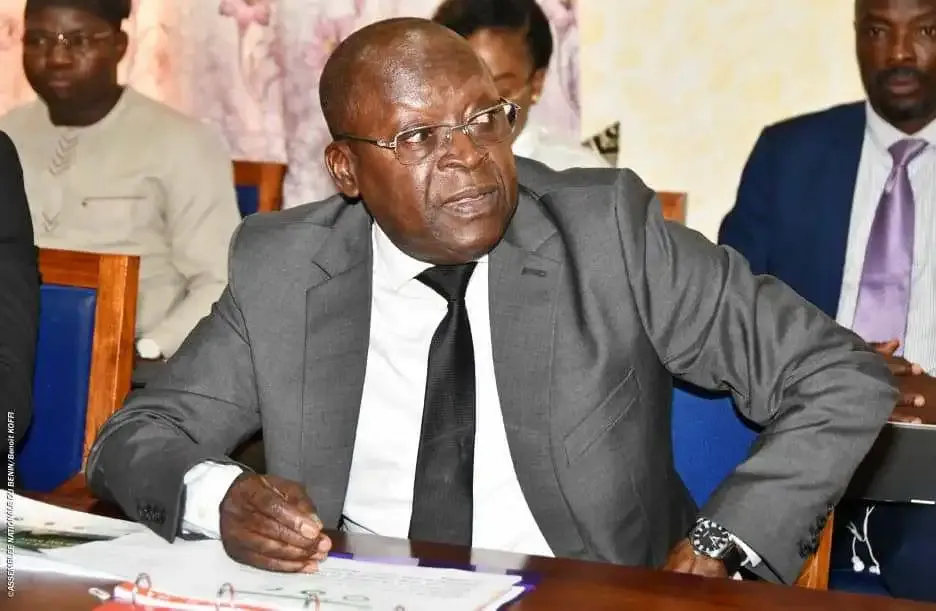
Can a single delegation, in a single week, redirect the course of francophone social policy? That is the question hanging over Bucharest as Benin’s official representatives take their seats at the general assembly of the Union of Francophone Economic and Social Councils and Similar Institutions (UCESIF). From September 28 to 30, 2026, Abdoulaye Bio Tchané, president of Benin’s Economic and Social Council (CES), will lead his country’s delegation into three days of high-stakes talks inside the Romanian Parliament Palace. The stakes are clear: either the consultations produce binding momentum for participatory governance across the francophone world, or they become another round of well-mannered discussions with limited follow-through.
Why this Bucharest assembly matters beyond the conference room
Delegations from across the francophone space are gathering to confront the pressing challenges of social dialogue, participatory governance and economic resilience. For Benin, the session is not merely a diplomatic formality. It is a test of whether the country’s consultative institutions can convert their national experience into influence at the international level. The vision driving Benin’s eighth CES mandate puts global outreach and openness to best practices in consultative governance at its core — Bucharest is where that vision meets reality.
Three days, three strategic battlegrounds for Benin’s delegation
Over the course of the assembly, Benin’s representatives will concentrate their efforts on several decisive fronts:
- Budgetary and administrative validation: Reviewing activity reports, assessing financial management and setting the operational roadmap that will guide UCESIF through the coming cycles.
- Strengthening francophone partnership: Building tighter synergies among member institutions so that citizen consultations translate into real levers for national public policy.
- Bilateral cooperation: Holding working meetings on the margins of the plenary sessions with counterparts from African and European economic and social councils to exchange lessons on economic inclusion and social dialogue.
A platform for consultative democracy — or a missed opportunity?
By actively pushing Benin’s proposals within UCESIF, Abdoulaye Bio Tchané is asserting the strategic role that consultative assemblies play in national stability and sustainable development. In a global economy marked by rapid change and persistent youth employment challenges, the Bucharest general assembly gives Benin a rare tribune: a chance to showcase its national initiatives while drawing on proven models from across the francophone network. The resolutions adopted at the close of these sessions will shape the Union’s joint actions for years to come. The real question is whether the outcomes will match the ambitions voiced in the Romanian capital.
You may also like
Niger’s sovereignty paradox: can the junta’s UN rhetoric survive the SOMAÏR and SONIDEP collapse?
South Africa’s mass shooting crisis: can Johannesburg and Cape Town ever feel safe again?
Senegal’s December 2, 2026: will Diomaye Faye dissolve parliament or play the long game?
Senegal’s 2026 budget revision: can Dakar still rescue its growth and investment agenda?
Senegal’s 2026 revised budget: a trap vote for Pastef or a necessary evil?